Éclairage photographique is the definitive factor that separates professional e-commerce imagery from amateur snapshots in 2026. While camera technology has advanced significantly, the secret to producing high-conversion product photos remains mastering the art of light manipulation. In today’s competitive landscape, your éclairage de la photographie setup is your most powerful sales tool, whether you are shooting for a global marketplace or a personal portfolio.
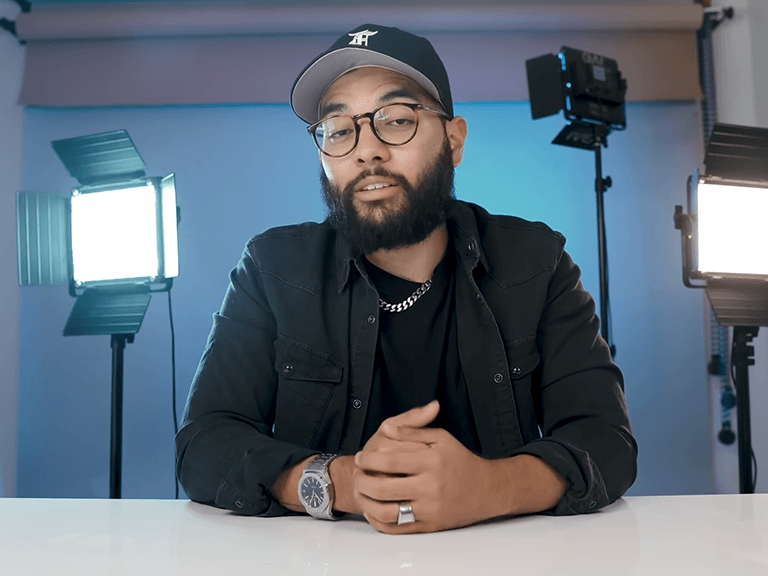
Why Lighting is Critical for Product Photography
In product photography, lighting serves two purposes: clarity and emotion. Proper éclairage de la photographie reveals the essential details of a product—its texture, true color, and shape—which helps build consumer trust and reduces return rates.
Beyond simple visibility, lighting creates the “vibe” of a brand. Soft, diffused light can make a skincare product feel luxury and gentle, while sharp, high-contrast lighting can make tech gadgets look cutting-edge and powerful. In 2026, where AI and 3D rendering are common, authentic and well-lit photography provides a tactile reality that shoppers crave.
Understanding the Main Types of Photography Lighting
To choose the right gear, you first need to understand the different behaviors of éclairage de la photographie sources:
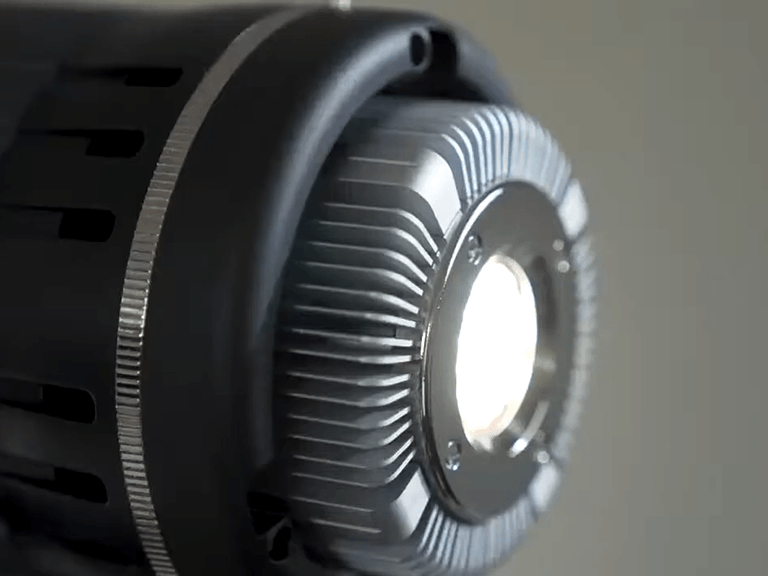
- Continuous Lighting: These lights stay on at all times. In 2026, high-powered LED panels are the standard. They allow you to see exactly where shadows fall in real-time, making them ideal for beginners and those who also film video content.
- Strobe Lighting (Flash): These provide a powerful burst of light. Strobes are preferred for freezing motion and capturing ultra-sharp details, though they require more practice to master since you cannot see the final effect until the shutter clicks.
- Natural Lighting: Utilizing sunlight from a window. While cost-effective and beautiful, it lacks the consistency needed for large product catalogs where every shot must look identical.
- Modified Light: This isn’t a source, but a category. Tools like softboxes, umbrellas, and scrims are used to “soften” the light, preventing harsh glares and ugly shadows.
Essential Product Photography Lighting Setups to Master
Mastering a few classic arrangements will allow you to handle almost any product:
- The Single Light Setup: Place one large light source at a 45-degree angle to the product. Use a white bounce card on the opposite side to fill in the shadows. This creates a natural, three-dimensional look.
- The Two-Light (Rim) Setup: Place two lights behind and to the sides of the product, pointing back toward the camera. This creates a “glow” around the edges, which is perfect for separating dark products from dark backgrounds.
- The Three-Point Setup: The gold standard. A “Key Light” provides the main illumination, a “Fill Light” softens the shadows, and a “Back Light” adds depth and separation from the background.
How to Create a Pro-Level Photography Lighting Setup at Home
You don’t need a commercial studio to achieve professional results. In 2026, the “home studio” is more capable than ever. To optimize your éclairage de la photographie at home:
- Control the Ambient Light: Close the curtains and turn off overhead room lights. Mixed light temperatures (e.g., orange tungsten bulbs mixed with white daylight) create “color muddying” that is hard to fix later.
- Use Vertical Space: Even in a small room, placing your lights on tall stands and angling them downward simulates natural overhead light.
- DIY Diffusion: If your light is too “harsh” (creating dark, sharp shadows), a simple white bedsheet or translucent shower curtain can act as a professional-grade diffuser.
- Reflectors are Key: Use simple white foam boards to “push” light into dark corners of your product. This is the cheapest way to make a one-light setup look like a two-light setup.
Best Photography Lighting Kit for Beginners in 2026
If you are looking to invest in your first kit, look for versatility and future-proofing. A modern éclairage de la photographie kit for beginners should include:
- Adjustable Color Temperature (Bi-Color): Look for lights that allow you to switch between “Warm” (3200K) and “Cool” (5600K). This allows you to match different environments seamlessly.
- High CRI (Color Rendering Index): Ensure your lights have a CRI rating of 95 or higher. This ensures that the colors of your products appear vibrant and accurate in the final image.
- Dimmable Output: The ability to control the intensity of the light from 1% to 100% is crucial for delicate subjects like jewelry or glass.
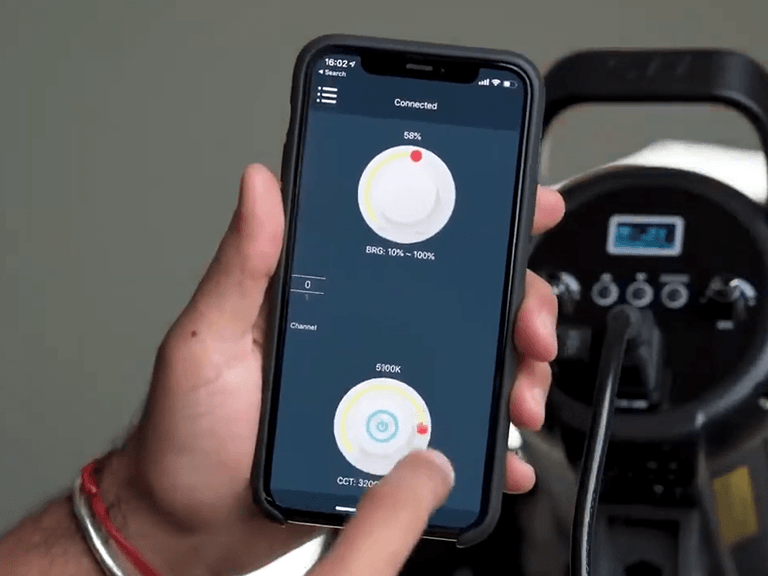
- Smart App Integration: Most 2026 lighting kits allow you to control multiple lights from your phone, saving you the time of walking back and forth to adjust stands.
Conclusion
Investing time into learning éclairage de la photographie is the most effective way to elevate your brand in 2026. By starting with basic setups and gradually adding modifiers, you can produce imagery that competes with high-end studios from the comfort of your own home. Remember: the camera captures the subject, but the light creates the image.