Kit d'éclairage pour vidéographie La technologie en 2026 a atteint un tournant décisif dans le monde de la narration visuelle. Alors que les capteurs d'appareils photo repoussent les limites de la résolution et de la plage dynamique, la demande d'un éclairage de haute qualité n'a jamais été aussi forte. Nous avons dépassé l'ère du simple “ rendre les choses lumineuses ”. Aujourd'hui, un professionnel kit d'éclairage pour vidéographie est un écosystème sophistiqué et interconnecté qui combine la science des couleurs, un logiciel intelligent et du matériel à haute efficacité.
Tendances et standards de sélection de l'éclairage pour 2026
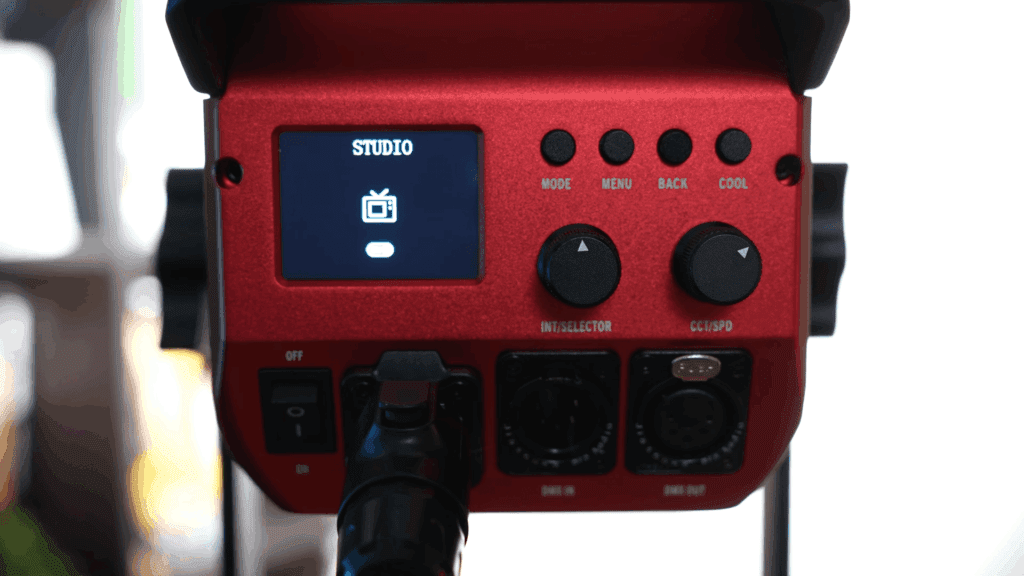
D'ici 2026, l'industrie aura dépassé la “ transition LED ” et sera entrée dans l“”ère de l'intelligence ». Un système moderne kit d'éclairage pour vidéographie n'est plus une collection de matériel statique ; c'est un outil interconnecté et axé sur les données.
La Frontière Technologique
- Sources lumineuses LED : La couleur haute fidélité (IRC 97+) et la luminosité ultra-élevée sont devenues la norme de l'industrie.
- Solutions d'alimentation : Les batteries haute capacité et à chargement rapide sont désormais obligatoires, permettant une kit d'éclairage pour vidéographie pour rester entièrement portable sans sacrifier la sortie.
- Intelligence : Le contrôle par application, le réseau Bluetooth Mesh et les effets d'éclairage pilotés par l'IA sont désormais des attentes fondamentales pour toute installation professionnelle.
- Conception modulaire : L'équipement prend désormais en charge une expansion flexible, permettant aux créateurs d'échanger des modificateurs et de mettre à niveau des composants sans remplacer l'intégralité du système.
Critères de sélection clés
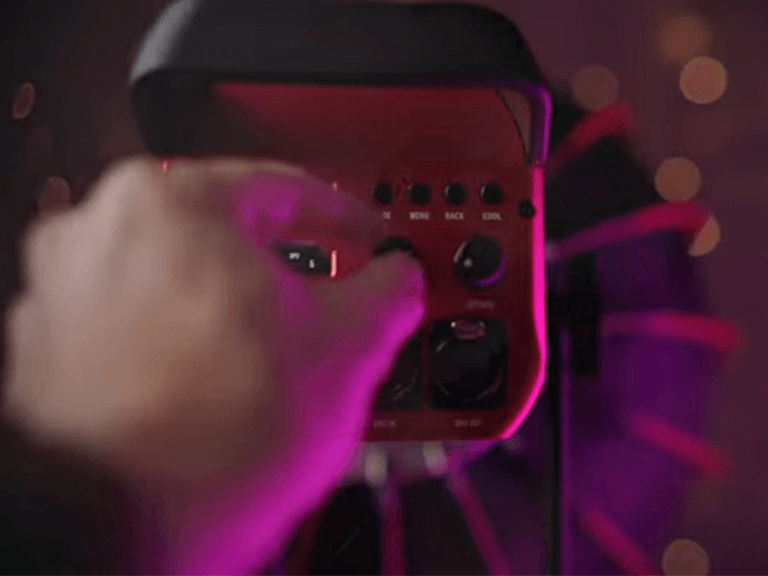
- Paramètres de base : Puissance totale, plage de température de couleur (CCT) et précision des couleurs (IRC/TLCI).
- Portabilité : Le rapport poids-luminosité est un facteur essentiel pour les repéreurs et les opérateurs solo.
- Possibilité d'extension : La compatibilité avec les écosystèmes professionnels (comme les montures Bowens) détermine la polyvalence du kit.
- Fonctionnalités intelligentes : L'intégration avec des protocoles de contrôle tels que DMX et Bluetooth Mesh est essentielle pour la coordination multi-appareils.
Meilleure Lumière pour la Vidéographie
Choisir le bon kit d'éclairage pour vidéographie dépend de votre échelle de production et de vos objectifs créatifs. En 2026, le marché sera divisé en trois catégories distinctes :
1. Débutant (Le choix du créateur solo)
- Stratégie Créer un système “une lumière pour tout faire”, abordable mais professionnel.
- Configuration de base : Une seule lumière COB à haut rendement, une boîte à lumière portable et un trépied léger.
- Public cible : Vidéastes débutants et créateurs de contenu pour les réseaux sociaux.
2. Qualité professionnelle (Le cheval de bataille du studio)
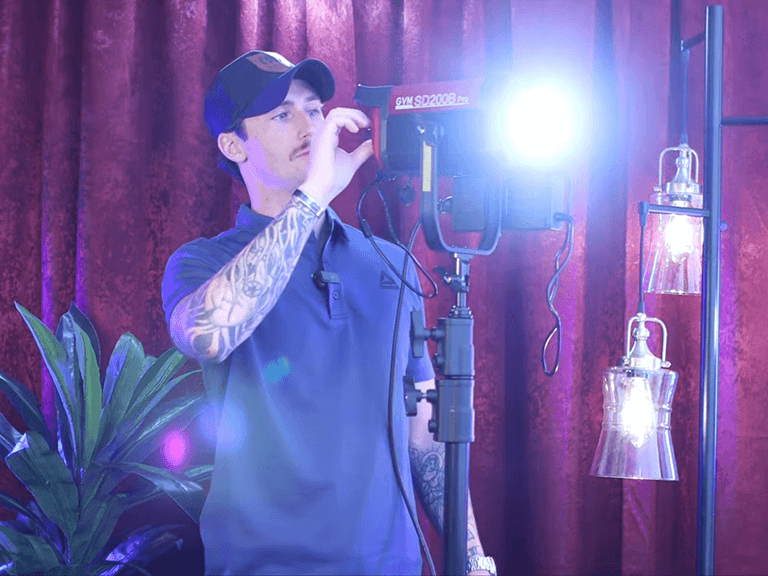
- Stratégie Construction d'un éclairage standardisé et répétable à 2-3 lumières. C'est ici que le GVM PRO SD200B brille vraiment.
- Configuration de base : Une combinaison de projecteurs puissants et de panneaux de diffusion adaptés aux interviews et aux publicités d'entreprise.
- Public cible : Studios de vidéographie professionnels et équipes de production de petite à moyenne taille.
3. Solutions phares (Production cinématographique)
- Stratégie Offrant une qualité cinématographique haut de gamme avec des plans d'éclairage complexes.
- Configuration de base : Projecteurs RGBWW à grande échelle, éclairages matriciels et systèmes de contrôle DMX centralisés.
- Public cible : Sociétés de production cinématographique et agences de publicité haut de gamme.
Éclairage de vidéaste de mariage
Pour un vidéaste de mariage, le kit d'éclairage pour vidéographie doit être l'équilibre ultime entre puissance et discrétion. Vous traitez avec des sujets en mouvement, une lumière naturelle changeante et la nécessité de rester invisible.
Exigences fondamentales
- Portable et fiable Un montage rapide est non négociable lors du passage d'une cérémonie à une réception.
- Silent Operation: Quiet video lights are mandatory to ensure that the “I do” moment isn’t ruined by fan noise.
- Low-Light Excellence: Superior performance in dark reception halls, providing enough fill light to assist the camera’s autofocus without killing the mood.
Scenario Workflow
- The Preparation: Combine soft window light with a small fill light from your kit to create flattering, cinematic skin tones.
- The Ceremony: Use a bi-color light to match the warmth of a church or the cool tones of an outdoor venue instantly.
- The Reception: Deploy RGB accent lights to match the party’s color theme, adding dynamic energy to the dance floor footage.
Professional Videography lighting
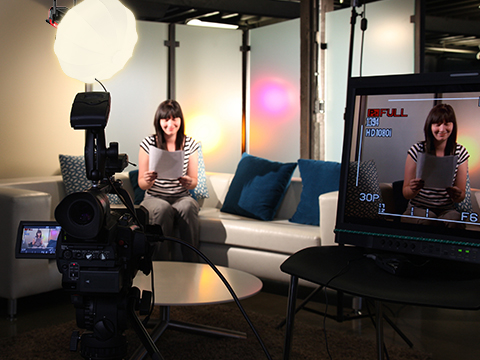
Un professionnel kit d'éclairage pour vidéographie is organized as a hierarchy of systems rather than just a collection of lamps.
Building the System
- Key Light System: The primary source that defines the shape of the subject.
- Fill Light System: Soft sources (like LED panels) used to manage contrast and lift shadows.
- Effect Lighting: RGB sticks and matrix lights used for background separation and atmospheric effects.
- Control & Power: Centralized wireless control and universal power management to ensure the kit operates as a single unit.
Advanced 2026 Techniques
- Digital Pre-Lighting: Using software to preview lighting plots before arriving on set.
- Real-time Spectrum Analysis: Ensuring that every light in the kit d'éclairage pour vidéographie maintains a unified color temperature to prevent “color shift” in the final edit.
- Motion Tracking: Intelligent lights that can follow a moving subject, maintaining consistent exposure throughout a take.
Beginner Videographer lighting
If you are just starting to build your first kit d'éclairage pour vidéographie, follow this three-step path:
Step 1: Quality Over Quantity
- The Rule: One high-quality light is better than three cheap ones. Learn to use a professional light like the SD200B to its full potential before adding more complexity.
- The Technique: Shape natural light using reflectors and diffusion to supplement your primary light source.
Step 2: Invest in Essentials
- The Starter Kit: A bi-color spotlight with App control, a 5-in-1 reflector, and a sturdy C-stand. This “One Light” approach teaches you the fundamentals of “Rembrandt” and “Loop” lighting.
Step 3: Establish a Systematic Workflow
- The Habit: Plan your lighting scripts before the shoot. Use mobile apps to save your favorite “looks” as presets, allowing you to recreate professional results in seconds.
GVM PRO SD200B Professional LED Spotlight
At the heart of a modern kit d'éclairage pour vidéographie, the GVM PRO SD200B represents the ideal intersection of power and precision.
Why it is the Industry Favorite:
- Massive Output: Delivering an impressive 45,400 lux at 1 meter, it provides the punch needed to compete with sunlight or illuminate large studio spaces.
- Surgical Accuracy: Avec un CRI ≥ 97 and TLCI ≥ 97, it ensures broadcast-quality color reproduction, saving hours of color correction in post-production.
- Contrôle intelligent : Whether using the GVM Smart APP with Bluetooth Mesh networking or the professional 5-Pin DMX interface, you have total control over your environment.
- Precision Tuning: It offers 1/1000-step fine-tuning and a wide color temperature range (2700K – 6800K), allowing for the most subtle adjustments.
- Creative Versatility: Featuring 12 lighting effects et 12 light source presets, it allows videographers to simulate environments like “TV Flicker” or “Sodium Streetlamps” instantly.
- Silent Cooling: Designed for the most demanding audio environments, its silent cooling system ensures your set remains noise-free.
Conclusion: Lighting the Path Forward
In 2026, the difference between an amateur and a professional video is rarely the camera—it is the kit d'éclairage pour vidéographie. As we have seen, the evolution of lighting has moved toward intelligence, color accuracy, and silent power.
By building your kit around versatile, high-output, and smart-controlled units like the GVM PRO SD200B, you aren’t just buying gear; you are investing in a system that grows with your ambition. Whether you are capturing the intimacy of a wedding or the grandeur of a commercial production, remember: Invest in your light, and your lens will do the rest. Follow the principles of quality, control, and system-based logic to master the art of the image.