Choosing the right RGB LED light for filmmaking can make a noticeable difference in how a scene looks and feels. Light does more than illuminate a subject. It shapes depth, separates foreground from background, and helps establish the visual tone of a story.
For years, filmmakers often relied on separate fixtures, colored gels, and additional control equipment to achieve different lighting effects. Modern LED technology has made the process more flexible. A single full-color light can now handle natural-looking illumination, controlled color accents, and stylized cinematic effects.
Whether you are shooting interviews, short films, product videos, or branded content, understanding how RGB lighting works will help you build a more versatile setup without adding unnecessary complexity.
Why RGB Lighting Matters in Filmmaking?
Traditional bi-color lights allow filmmakers to adjust between warm and cool white light. This is useful for matching daylight, indoor lamps, and other ambient sources. However, when a scene calls for saturated colors or more distinctive visual styling, bi-color adjustment alone is not enough.
RGB lighting expands those creative options. By combining red, green, and blue light, an RGB fixture can produce a broad range of colors. RGBWW systems add warm-white and cool-white LEDs, giving filmmakers more control over both colored illumination and natural-looking white light.
This distinction matters in practical production. A blue accent can suggest a cool nighttime environment, while a warm background can make an interview feel more inviting. Subtle color separation can also add depth to a portrait without overwhelming the subject.
The goal is not to make every scene colorful. It is to give the filmmaker more control over when color appears, how it interacts with the subject, and what the audience feels as a result.
What Is an RGB LED Light for Filmmaking?
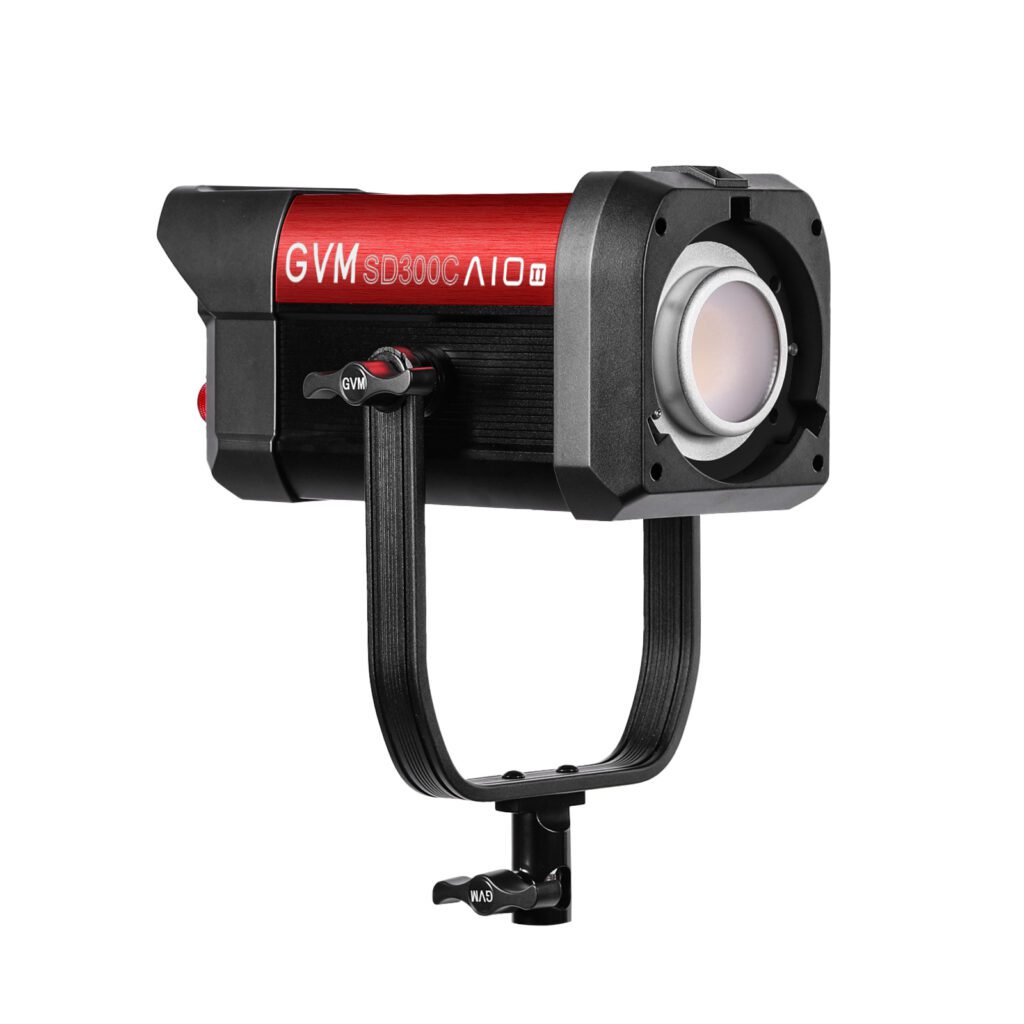
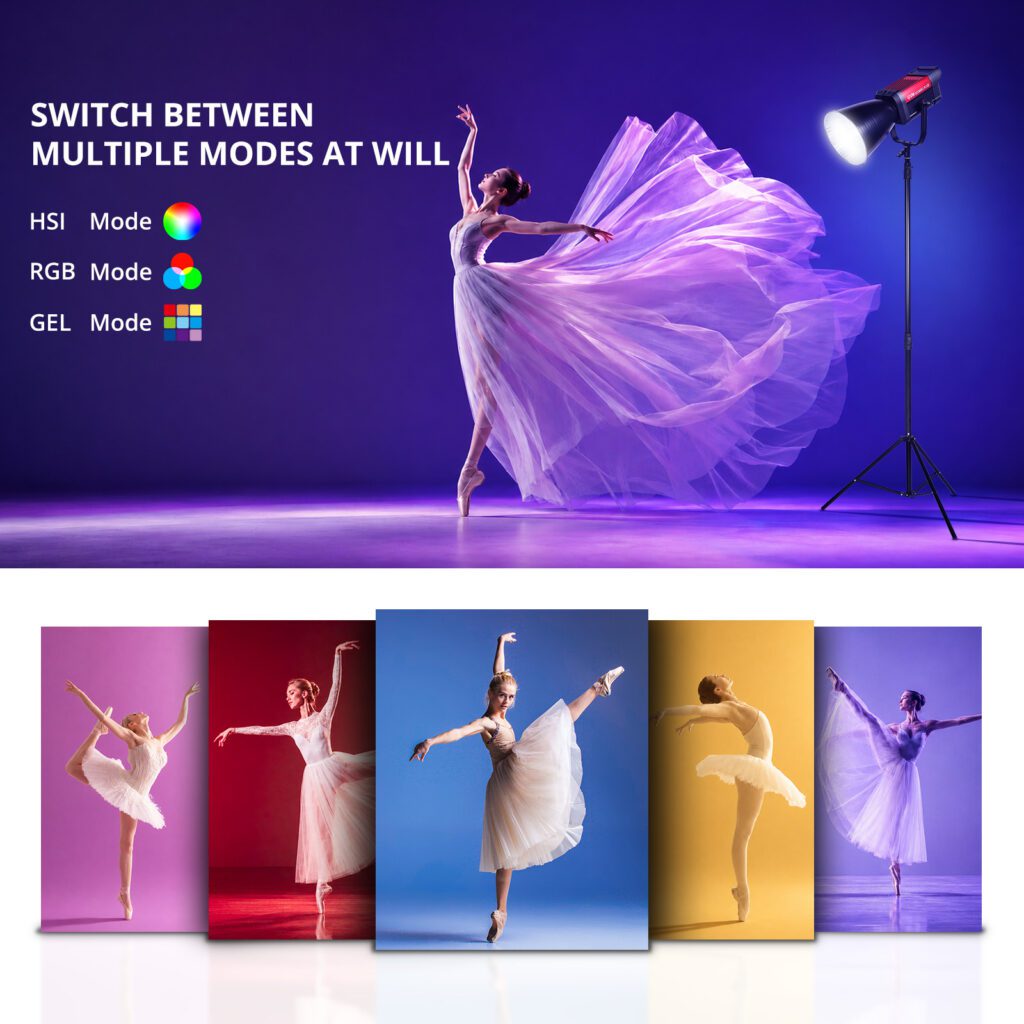
An RGB LED light for filmmaking is a lighting fixture that allows users to adjust color as well as brightness. Depending on the model, it may offer several operating modes, including correlated color temperature (CCT), HSI, direct RGB adjustment, preset color gels, and built-in lighting effects.
Each mode serves a different purpose.
A full-color fixture does not automatically make a scene cinematic. Light direction, distance, diffusion, contrast, and exposure still determine the final image. Color control simply gives filmmakers another set of tools to work with.
What Should You Look for in an RGB LED Light for Filmmaking?
Not every RGB fixture is designed for the same type of production. Before choosing one, consider how much output you need, how accurately it renders colors, and how easily it fits into your workflow.
Brightness That Works for Your Setup
A light may be bright enough for a background accent but struggle when used with a softbox or as a key light. Wattage matters, but it’s not the whole picture. Light output, shooting distance, and modifiers all affect the result. If you need one fixture for different jobs, a higher-output COB light gives you more room to work.
Color Accuracy Matters
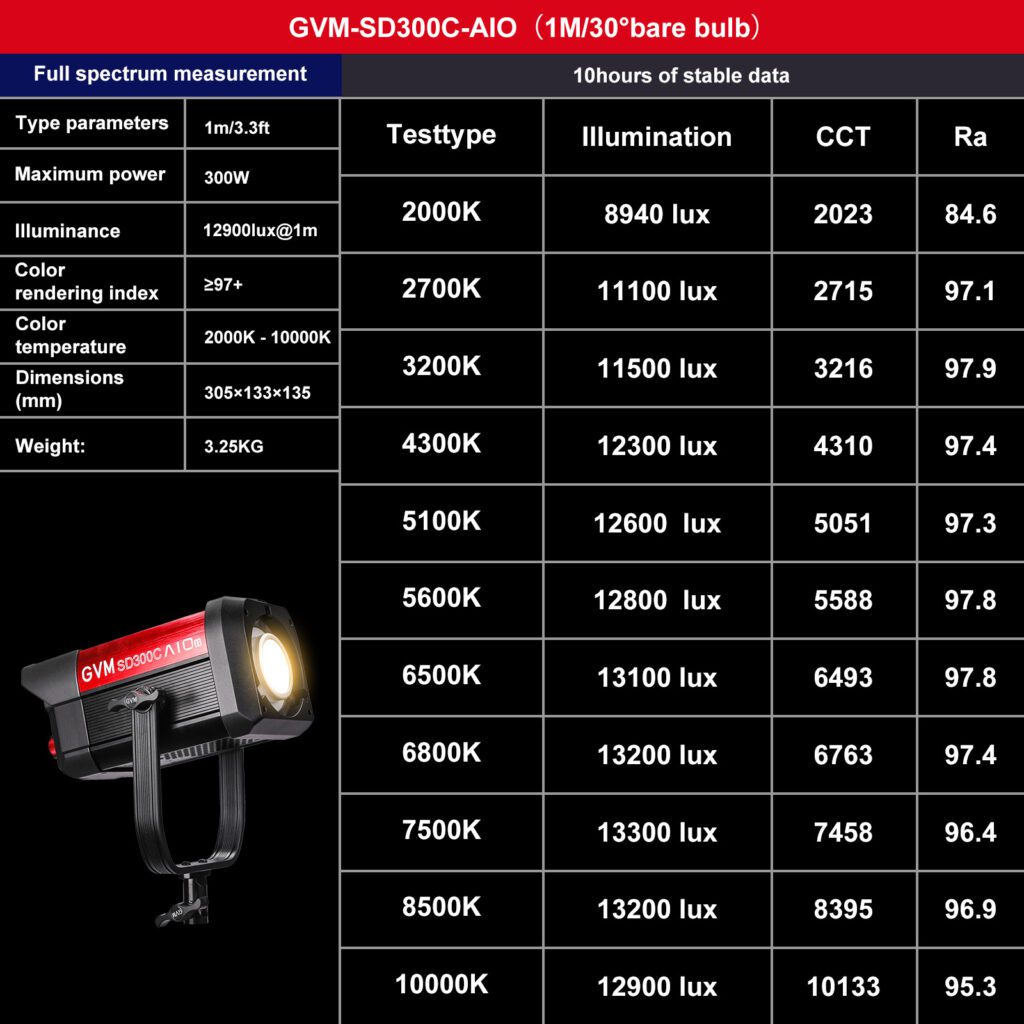
Strong colors are useful, but natural-looking skin tones and accurate product colors matter just as much. CRI and TLCI ratings can help you evaluate color performance, with 97+ generally indicating good color rendering. RGBWW lights offer another advantage: they combine full-color output with dedicated warm- and cool-white LEDs, making it easier to switch between natural lighting and creative effects.
A Useful Color Temperature Range
Lighting conditions change from one location to another. You might need to match daylight from a window or balance the warm glow of indoor lamps. A wide color temperature range makes those adjustments easier without switching fixtures.
Simple Controls, Easier Setup
Good lighting equipment should fit your workflow, not complicate it. On-board controls work well for quick adjustments, while app control is handy when a light is mounted out of reach. For more advanced productions, check whether it supports DMX or other professional control systems, and whether you’ll need to purchase extra accessories.
GVM SD300C AIO: Full-Color Control in an All-in-One Design
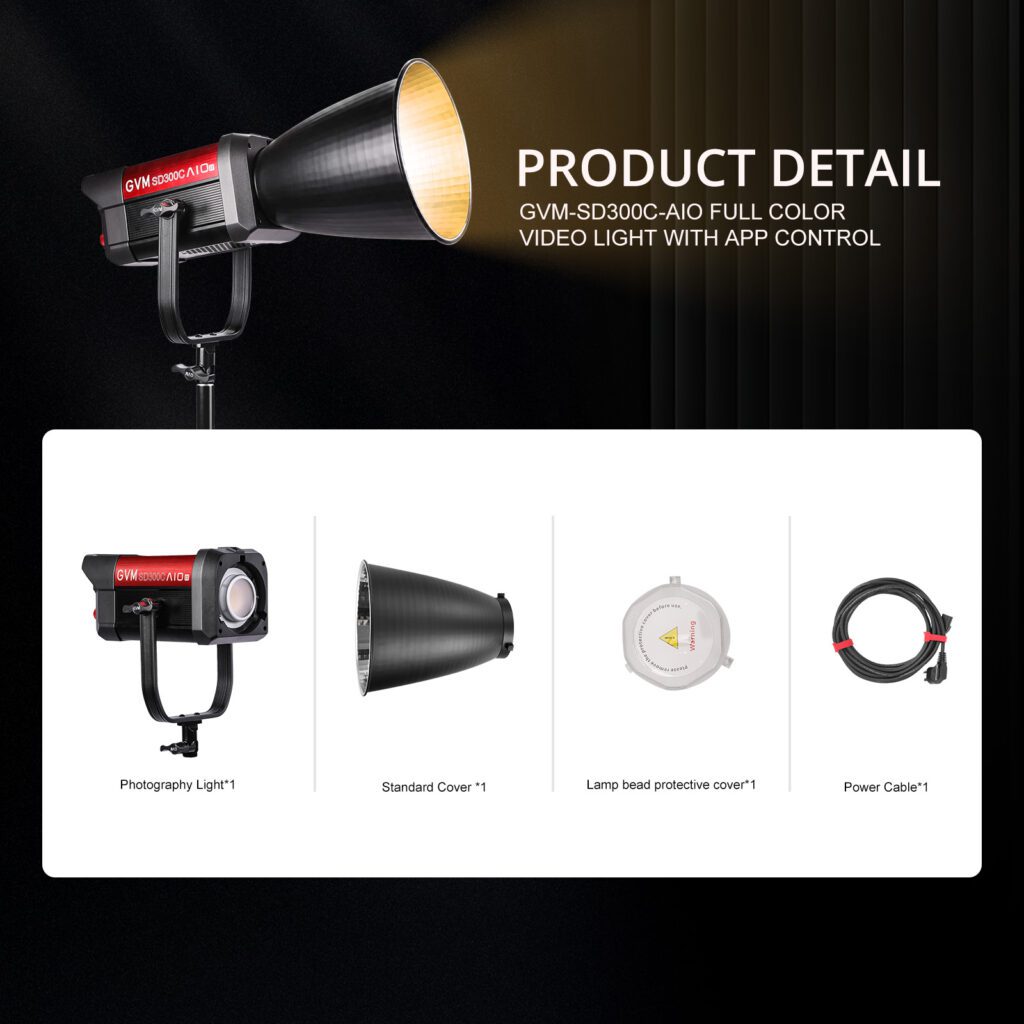
For filmmakers who need both reliable white light and creative color control, the GVM SD300C AIO brings these functions together in a compact fixture. Its 300W RGBWW light engine, broad color-temperature range, and integrated design make it suitable for studio work, interviews, product videos, and smaller film productions.
Rather than treating RGB lighting as a tool for colorful backgrounds alone, the SD300C AIO provides a broader set of options for shaping the entire scene.
Full RGBWW Color for More Creative Options
The SD300C AIO offers a 2000K–10000K color temperature range and CRI 97+ color rendering. Its RGBWW system handles both white light and full-color output, so you can switch between different lighting styles without changing fixtures.
For example, use neutral white light for a product shoot, warmer tones for portraits, or a splash of color to separate a subject from the background. HSI and RGB controls let you fine-tune the color rather than settle for a preset.
An All-in-One Design That Saves Time
Setting up lights can take longer than expected, especially when separate control boxes and extra cables are involved. The SD300C AIO integrates the light head, control unit, and power adapter into one fixture, weighing approximately 3.25 kg.
For small crews and independent filmmakers, that means less equipment to carry and fewer components to arrange on set. Setup becomes more straightforward, leaving more time to adjust the lighting itself.
Cinematic Effects Without Extra Gear
Sometimes, a scene needs more than a steady beam of light. The SD300C AIO includes color-gel presets, simulated light sources, and 16 dynamic effects, including lightning and paparazzi-style effects.
These tools can add atmosphere to music videos, short films, and promotional content without requiring separate effect lights. Used subtly, even a small change in color or intensity can give a scene a different feel.
The fixture also supports Bluetooth app control for compatible GVM lights. For more advanced setups, optional accessories enable control options such as DMX, CRMX, and Art-Net/sACN, depending on the configuration.
| Merkmal | GVM SD300C AIO |
| Light output | 300W |
| Light engine | RGBWW full color |
| Color temperature | 2000K–10000K |
| Color rendering | CRI 97+ |
| Helligkeit | 13,300 lux at 1 m, bare light |
| Color modes | CCT, HSI, RGB, color gels |
| Creative tools | 12 simulated light sources and 16 dynamic effects |
| Steuerung | On-board controls, Bluetooth app, optional professional control accessories |
| Gewicht | Approximately 3.25 kg |
| Gestaltung | All-in-one fixture |
How to Use RGB Lighting for Better Video
Even a versatile full-color light needs a clear purpose. A few basic techniques can help you get more consistent results.
1. Get the Key Light Right First
Start by lighting your subject. Pay attention to the light’s direction, shadow softness, and contrast before adding color. Once the subject looks good, bring in RGB lighting where it makes sense. This keeps skin tones natural and the overall image balanced.
2. Add Color to Create Depth
A colored background or rim light helps separate the subject from the surroundings, especially in a small studio. Try a cool blue accent with a warm key light, for example. Even a subtle color difference can make the shot feel more dimensional.
3. Work With the Existing Light
Shooting in a real room? Take note of the light already there, from window daylight to warm practical lamps. Match your key light where needed, then add color to shape the scene. This usually looks more natural than mixing colors without a clear direction.
4. Check the Image on Camera
Light can look different to the eye than it does on screen. Before recording, check exposure, white balance, skin tones, and background color through your camera. Make small adjustments until everything looks right. After all, what matters is the final image, not just how the light looks on its display.
Schlussfolgerung
Choosing an RGB LED light for filmmaking is about more than access to a large color palette. Output, color accuracy, control options, and setup efficiency all influence how effectively a light performs on set.The GVM SD300C AIO brings these considerations together through its 300W RGBWW light engine, 2000K–10000K color-temperature range, CRI 97+ color