
Food photography? Angle, lighting, tripod must have!
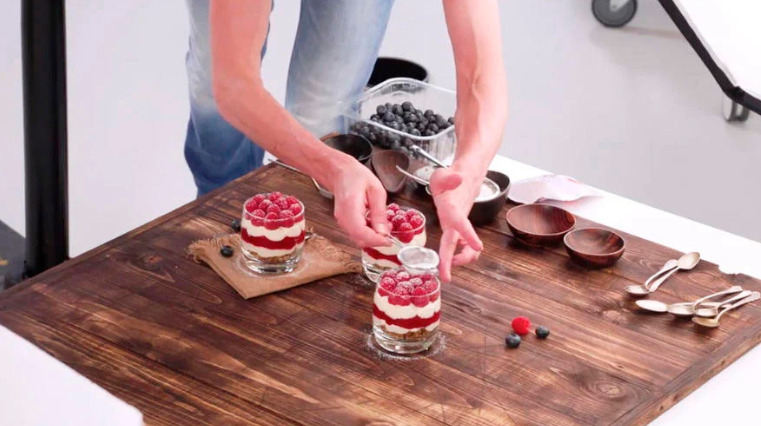
Lebensmittelfotos sollten nicht nur die Frische und Köstlichkeit der Lebensmittel hervorheben, sondern auch die Beschaffenheit der Lebensmittel - weich, knusprig, zart, ölig usw., um den Appetit der Menschen zu wecken.
Before shooting, it is necessary to consider the influence of light and dark tones on the food, so the combination of various props should be considered according to the characteristics of the food being photographed. In the selection of lens focal lengths, food photography is usually used to capture the delicate details of dishes, and macro lenses are usually used to shoot close-ups.
In the process of shooting food, in addition to the set, the use of light determines the texture and atmosphere of the final work. For photographers who have not been in contact with them for a long time, they can use LED roll cloth lights for lighting. Because this continuous light source allows you to directly observe the visual effect, and can easily set the camera parameters.
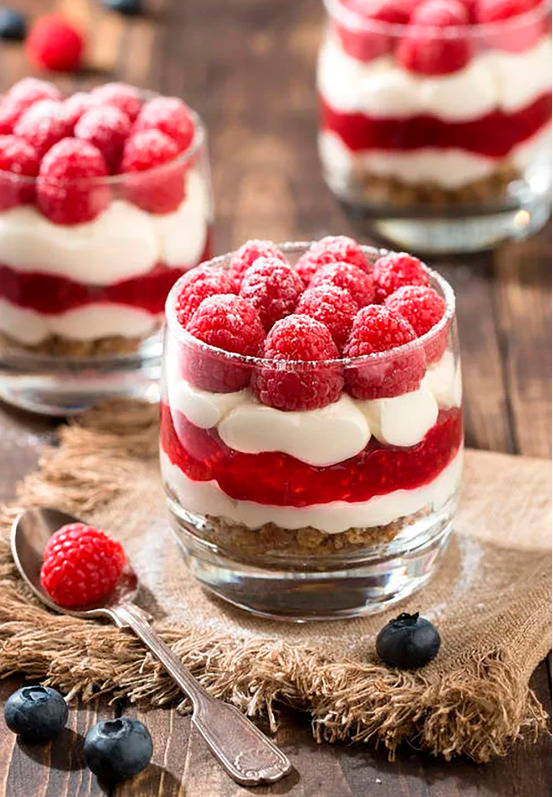
1. Before you press the shutter, ask yourself what you want to shoot
This title may seem silly, but it is actually a very critical step in food photography. The content that different subjects need to focus on expressing is completely different.
What is food photography? The simplest and most basic requirement is that the photos you take should make others feel appetizing after seeing them. Appetite is often caused by the angle of shooting, the intensity of the light, the texture of the object, and so on.
For example, if we need to shoot a bowl of noodle soup, then moderately retaining some highlights and reflections may improve the overall texture.
For another example, if we want to shoot a cream cake, we need to focus on the delicacy and smoothness of the cream part. Therefore, for different subjects, we need to pay attention to different places.
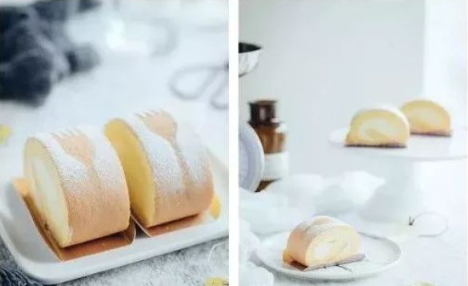
2. Establish layers and interrelationships for each element in the picture
I believe that what you ultimately want to present is a complete picture, rather than a simple and rough stacking of scattered props. Sometimes when we look at the works of photography masters, we feel that although the whole picture has a lot of props, it looks very comfortable and coordinated.
But when I came to shoot or even imitated the works of the great gods, I always felt that something was missing. This is most likely due to the lack of hierarchy and relationships between the props in your footage.
For example, another dinner plate or table cloth can be superimposed under the dinner plate to increase the level. For example, another prop can be placed diagonally behind the subject to help outline the outline, and for example, some knives, forks, paper towels, etc. can be placed. description of the story and plot.
However, please note that the props added to the screen should try to maintain the relevance of the main object. Cakes can be matched with egg beaters and flour sieves, Chinese dishes can be matched with some seasonings, etc. Don’t put some irrelevant props in the picture, which will make the viewers can’t distinguish the primary and secondary aspects of the picture.
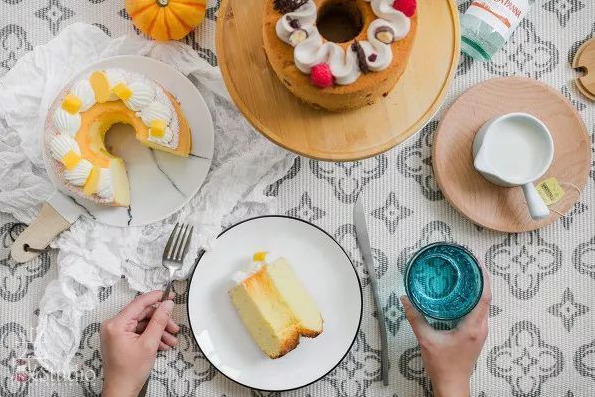
3. A beautiful table or background can add a lot of color to the picture
There is a saying in the food photography circle: Whoever gets the board wins the world. That is the importance of the background board.
If you are a food lover and just like to post your food in the social circle, then you don’t have to buy too many background boards. Sometimes clean tiles or beautiful wooden floors in your home can also make photos stand out. But if you want to make your photos look great, consider finding a nice board, searching online for the keyword old door boards, or going to your local thrift market to find plenty.
Of course, you can also find more styles of boards, such as marble boards, cement boards, tablecloths, curtains, napkins, etc. that match the style of the picture are all good choices.
Another suggestion is to try to choose a background with low brightness and not too fancy in the early stage of photography, which is relatively conducive to highlighting the main object in the picture and not overwhelmed.
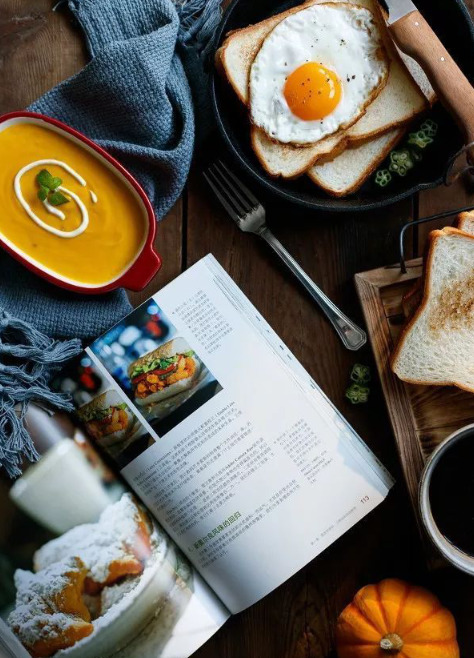
4. The second most important equipment in food photography is not a camera, but a tripod
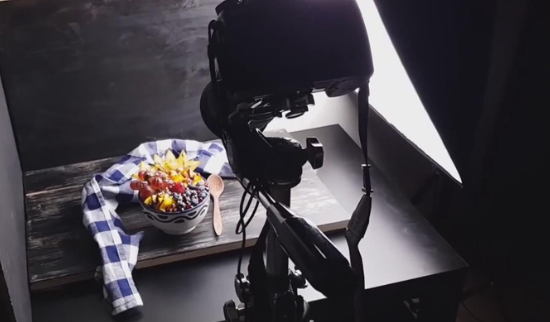
As far as my own shooting habits are concerned, after I get a subject, I will try my best to imagine a general picture in my mind, and then find a suitable shooting location (such as whether it needs to be near the window, whether it needs to use different the wall or scene as the background), set up a tripod and set up the camera position, and then restore the picture in your mind little by little.
In this process, a tripod can effectively help me frame the range of the picture.
Imagine if we were painting on white paper, and this piece of white paper was always floating around but not willing to lie on the table quietly, then every stroke of yours would be impossible to start. You may recompose the picture countless times due to the change of the framing of the picture, or you may accidentally take a picture that looks good, but some corners need to be fine-tuned when shooting with a hand-held camera. It can’t go back to the “accidental” angle just now.
There’s a simple solution to all of these problems: invest in a trustworthy tripod.The GVM Aluminum Camera Video Tripod DX16 is a good choice. If your budget is not very sufficient, I recommend you a more portable and cost-effective desktop telescopic tripod. Just remember one thing: buy the best one you can afford and budget no less than 1/10 the price of the camera you own.
One more thing: If you choose a tripod with a horizontal axis, it will make it easy to shoot overhead.
5. Forget all the skills I just said, but don’t lose enthusiasm
After watching so much, now let me forget, are you kidding me?
It can be a serious distraction if you’re constantly juggling parameters, light ratios, composition, etc. before every shutter release.
The biggest advantage of digital cameras is that you can always see the photos you took before, so you can make adjustments when you shoot again. So forget all the rules and regulations, press the shutter boldly, then pick out the photos you are satisfied with and post them on various galleries or social media, carefully read those comments, and you will improve quickly.
The Stable and portable tripod
If you want to shoot attractive food, you need a good light. We recommend three lights that are most suitable for food photography:
Die GVM-SD600D ist eine professionelle Studio-LED-Leuchte und ein exzellenter Allrounder mit einer satten Kick-Drum und zahlreichen Features. Es ist eine robuste Lampe, die an einem stabilen Metallbügel befestigt ist, während an anderer Stelle viel Metall verwendet wird. Die SD600D hat mehr als genug Leistung für ihre Bedürfnisse, und der Lüfter ist leise genug für Video- und Fotoarbeiten. GVM hat sich in den letzten Jahren mit LED-Leuchten einen Namen gemacht, und die SD600D scheint diesen Trend fortzusetzen. Weil die SD600D einen variablen Farbtemperaturbereich von 2.700-7.500K bietet, hat GVM den LED-Chip entwickelt.
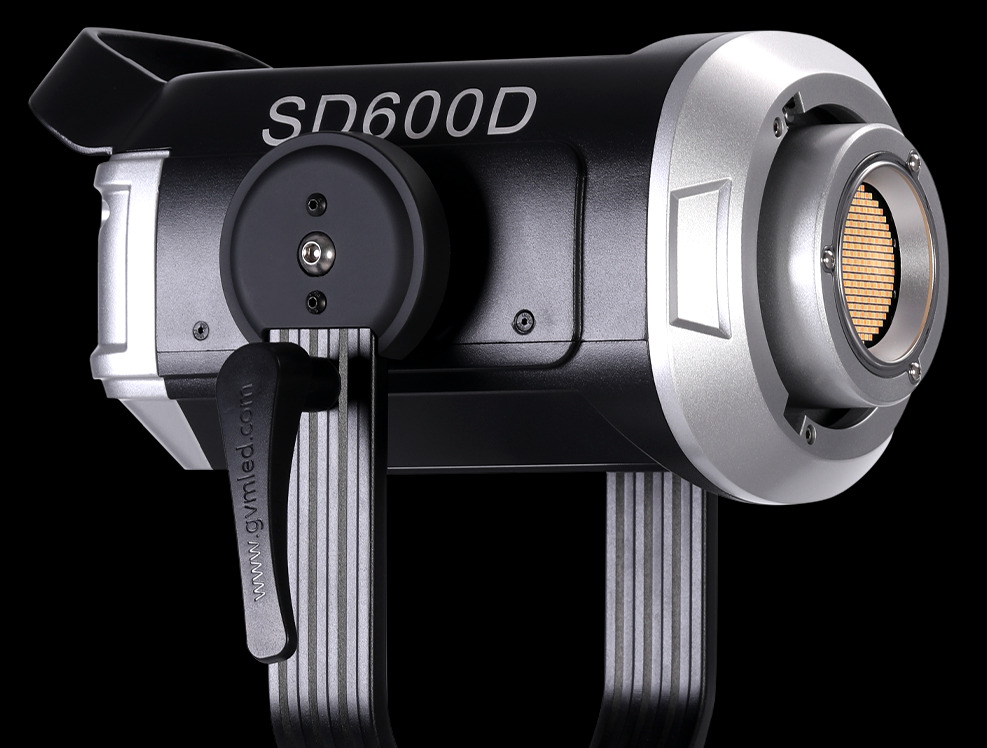
Farbtemperatur: 2,700-7,500K
Beleuchtung: 60,000 Lux /0.5m ,19,000 Lux /1m
Farbwiedergabeindex (CRI): 97+
180°Drehung
Beleuchtungsszenen: 8 Arten
Wärmeabgabe-Modi: AUTOMATISCH, LEISE, HOCH
You Can Get It Form
GVM Video-Beleuchtung Kit professionelle schafft eine beeindruckende helles Licht 43500 Lux/1m und 0%~100% stufenlos einstellbar hell. Perfekte kontinuierliche Ausgabe Beleuchtung für Fotografie, YouTube, Filmaufnahmen, Vlog.Design mit CRI97+, CT 5600K, COB-Lampe Perle, GVM Licht helfen Ihnen genau zu reproduzieren Farben und natürlich beleuchten Ihr Foto. Die 8 eingebauten Lichteffekte bereichern auch Ihre Aufnahmeszene. Wenn Sie eine Netzwerk-Plattform Karriere oder Video-Blogger starten wollen, ist es eine große Fotografie Ausrüstung für Anfänger oder Produktionen
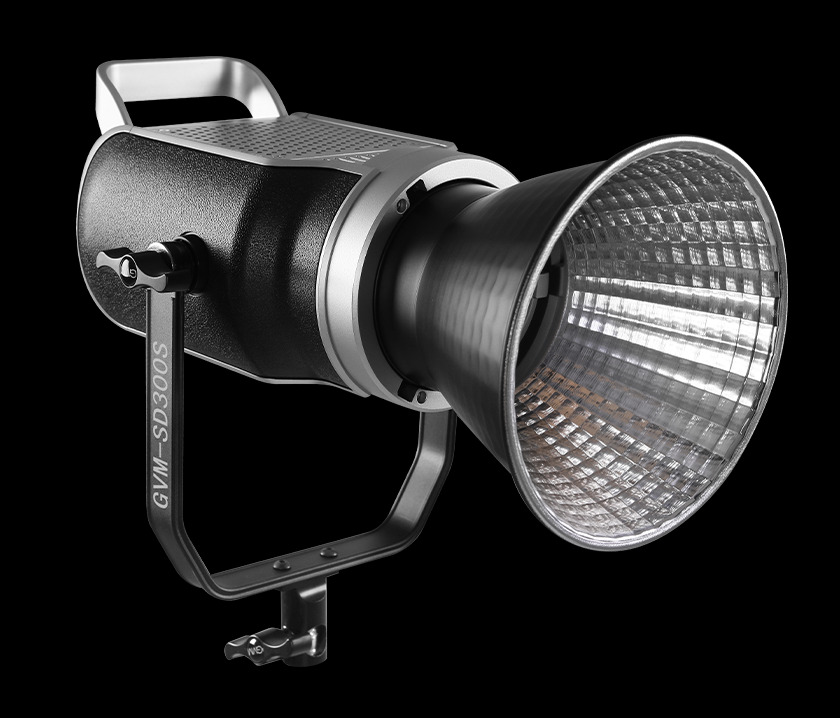
Drei Möglichkeiten, diese LED-Videoleuchte zu steuern: 1. laden Sie die GVM APP herunter und verbinden Sie das Bluetooth, stellen Sie die Parameter auf Ihrem Telefon ein. 2. drücken und drehen Sie die Mode-Taste & Compound-Knopf können die Parameter, die von großen LCD-Panel lesen können. 3. schließen Sie die DMX-Konsole an das Licht durch das Steuerkabel, und stellen Sie das Licht und DMX-Konsole auf den gleichen Kanal-Wert dann durch die DMX-Konsole zu steuern. (Der SD300S zeichnet sich durch ein schlichtes Design aus, bei dem die Steuereingänge über die Steuereinheit, an die die Leuchte angeschlossen wird, erfolgen. Es ist auch erwähnenswert, dass Sie dieses Licht über die GVM- APP (kostenlos für Apple iOS und Android erhältlich) steuern können, die ein beeindruckendes Maß an Kontrolle bietet.
Präzise Farbwiedergabe für Filmaufnahmen, mit tageslichttauglichem CRI 97+
Plus DMX-Steuerung: Bringen Sie Ihr Filmemachen auf ein ganz neues Niveau
Die Farbtemperatur von 5600k entspricht der der Sonne und lässt sich für ein natürliches Aussehen nahtlos in weißes Licht verwandeln.
Funktion / Merkmal: LCD-Bildschirm, hohe Anzeige, APP-Steuerung,
Master/Slave-Modus-Steuerung, DMX-Steuerung
Leistung : 300W
Spannung: AC 100-240V
Stromversorgungsmodus : DC-Eingang
Stromversorgung : 32V/9.5A
Kühlung : Kühler & Lüfterkühlung
Remote Fähigkeit: ≤100m
Produkt Nettogewicht: 3.15KG
Produktgröße (mm) : 228x123x349
Produkt Material: Aluminium-Legierung + Kunststoff