Die richtige Wahl movie lighting can make a clear difference in both photography and video production. Better results do not always come from buying more fixtures. In many cases, the real improvement comes from understanding how to shape light, control shadows, and assign each light a specific role.
Modern modular LED systems give filmmakers more flexibility when building a lighting setup. Instead of forcing one light to handle every task, creators can combine different sources to build a more balanced and controlled image. Whether you are filming interviews, shooting portraits, or producing commercial videos, learning how different LED lights work together leads to more consistent movie lighting.
Inhaltsverzeichnis
Why Modular LED Lighting Matters in Modern Movie Lighting
Traditional lighting setups often require multiple fixtures, modifiers, and accessories to achieve a specific look. That approach still works well in large studios, but it becomes harder to manage in tight spaces or when a production moves between locations.
Modular LED lighting offers a more practical method. A well-planned system lets creators assign each fixture a clear job. One light establishes the main exposure, another softens shadows, and a third adds separation or background depth.
This flexibility is especially useful for independent filmmakers, small crews, and hybrid creators who work across different environments. The same compact setup can handle an interview in the morning and a portrait session in the afternoon. The key is knowing which light to use and where to place it.
What Is Modular LED Lighting?
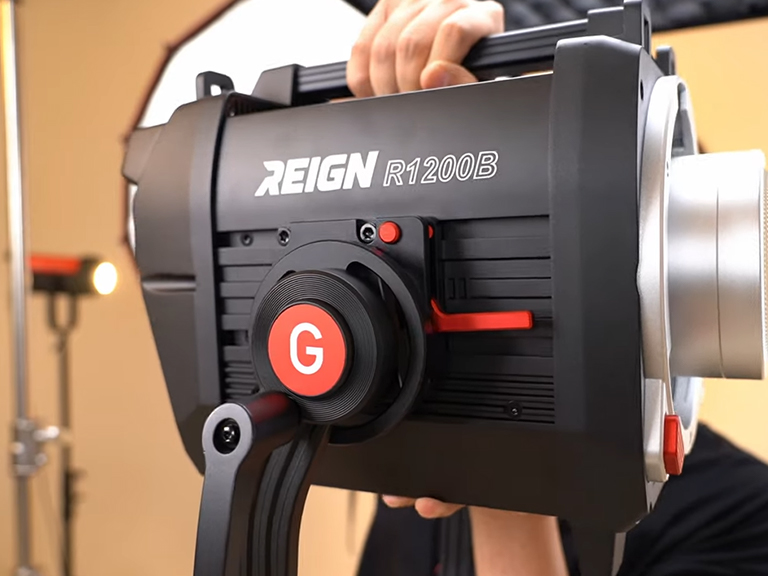
Modular LED lighting is an approach where individual fixtures or compatible components can be combined and rearranged based on the needs of each scene.
Rather than treating every light as a standalone tool, creators build a system around the shot. For example:
- A COB LED with a softbox can act as the key light
- A panel light can provide soft fill
- A third fixture can light the background or create edge separation
Each source has a defined purpose. The final look depends less on how many lights you own and more on how effectively those lights work together. That is the foundation of controlled movie lighting.
1. Best Lighting Approach for Soft, Close-Range Fill
In interviews and portraits, the key light sets the direction and overall character of the image. When placed at a stronger angle, however, it can leave one side of the face too dark.
A dedicated fill light solves this problem. A soft source placed near the camera axis can lift shadows without removing them completely. The goal is to keep facial structure while making details easier to read.
Why Panel Lights Work Well for Close-Range Fill
LED panel lights are useful when you need a broad, even source close to the subject. Their shape makes them easy to position in smaller rooms.
Start with low output and increase brightness gradually until the shadows open up without making the image look flat. Distance also matters. Moving the panel closer makes it larger relative to the subject, which usually creates softer light. The final result still depends on panel size, diffusion, and angle.
For natural interview lighting, the fill should remain secondary to the key.
Practical tip: Turn the fill light off for a moment and check the original shadow pattern. This quick test shows whether the fill is improving the image or simply removing too much contrast.
Building a More Considered Lighting Setup
For creators assembling a professional system, the GVM REIGN SERIES represents a high-performance range designed for flexible production work. The broader principle is simple: choose fixtures based on the role they need to play, rather than expecting one light to solve every problem.
A soft source can handle close-range fill, while a higher-output fixture provides the main illumination when the scene needs more power. This division of roles improves contrast control and keeps the setup organized.
2. Best Approach for Flexible Secondary Lighting
Secondary lighting is often what makes a frame feel complete. Even when the subject is correctly exposed, the image can still look flat if the background and surrounding space receive no attention.
A secondary light can serve different purposes depending on placement.
Create Separation Between Subject and Background
When a subject wears dark clothing against a dark background, the two can blend together. A light placed behind or to the side of the subject can create a subtle edge highlight. This is commonly called a rim light or hair light.
The effect does not need to be strong. In many interviews, a restrained highlight is enough to separate the subject from the background without pulling attention away from the face.
Add Depth to the Background
A background light can also help define the atmosphere of a scene. A warmer source can make a home interview feel more inviting, while a cooler tone may suit a modern office or technical setting. RGB fixtures add further options when a scene needs controlled color accents.
Keep background lighting connected to the overall style. Strong colors or overly bright highlights can quickly compete with the subject.
Why Flexible Fixtures Matter
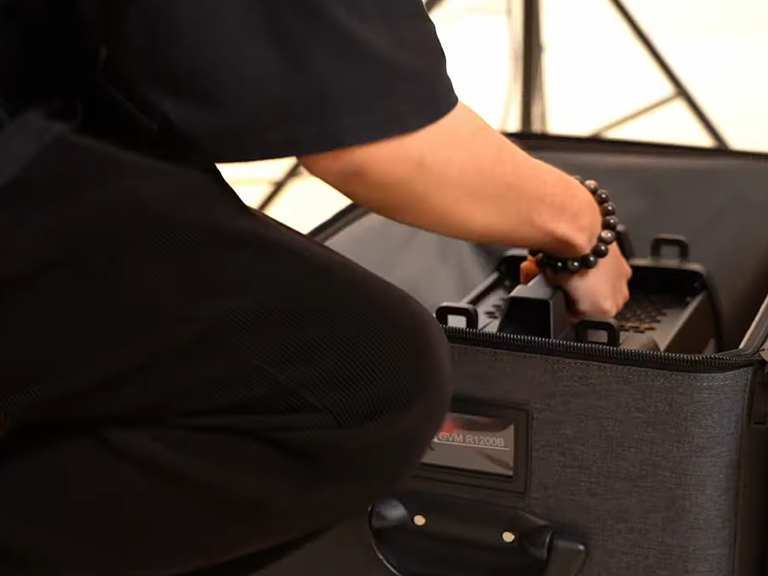
A secondary light often needs to move several times during a shoot. A fixture that is easy to reposition and adjust makes those changes faster and less disruptive.
In a modular movie lighting setup, the same light can serve as background separation in one shot and become fill or accent light in the next. This adaptability is especially valuable for small crews where one person may handle lighting, camera, and direction.
3. Best Lighting Approach for Interviews and Portraits
Interview and portrait work require a balance between image quality and practical setup. The light should flatter the subject, stay consistent throughout the session, and fit the available space.
Keep the Setup Compact
In a small room, space for stands and modifiers is limited. Compact fixtures are easier to place without blocking the camera or distracting the subject. Slim lights are especially useful near walls, desks, or narrow shooting areas.
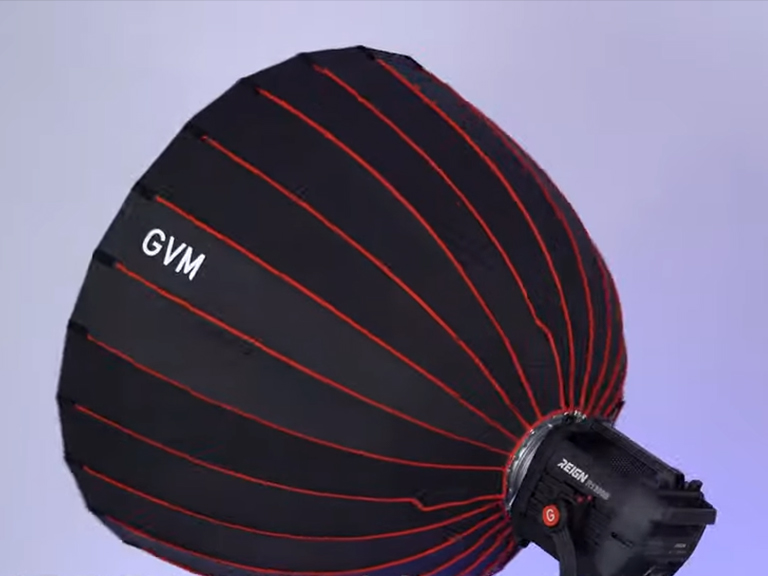
A thin profile alone does not guarantee soft light. Source size, diffusion, and distance still matter. A compact fixture often needs a diffuser or softbox to produce the desired quality.
Maintain Natural Skin Tones
For interviews, the goal is usually clarity and natural appearance rather than heavy stylization.
Start with a key light slightly off-camera. Adjust height and angle to create gentle facial shadows. Add fill only if the darker side of the face needs more detail. Then check the background. If it is too bright, attention drifts away from the subject. If it is too dark, the scene can feel unnecessarily heavy.
Small adjustments often improve the image more effectively than adding another fixture immediately.
Build a Repeatable Lighting Routine
Consistency matters when recording multiple interviews or producing a series. Note the approximate positions, brightness levels, and color temperatures used in each setup. Even simple records make it easier to recreate the same look later.
When several fixtures are involved, independent control is especially useful. It allows the key, fill, and background lights to be adjusted without disturbing the rest of the scene.
Example Professional Fixture Reference
| Merkmal | GVM REIGN R1200B |
|---|---|
| Am besten für | Film & Broadcast |
| Leistung | 1200W Professional Output |
| Color Temp | Bi-Color |
| Color Modes | Bi-Color + 12 Light Source Presets |
| CRI / TLCI | CRI 97+ |
| Spezialeffekte | 12 Cinematic Effects |
| Typ montieren | GVM G Mount (ARRI G7 Compatible) |
| Steuerungstyp | APP + DMX/RDM + CRMX + Art-Net/sACN |
| Verarbeitungsqualität | Weather-Resistant Design |
Schlussfolgerung
Effective movie lighting is less about owning the largest number of fixtures and more about using each one with a clear purpose.
A well-placed fill light can soften facial shadows. A carefully positioned secondary source can add depth to the background. A compact fixture can make interview lighting easier to manage in limited space.
These decisions form the foundation of a flexible modular LED system. Once every light has a defined role, the same kit can adapt to portraits, interviews, product work, and broader video production.
The GVM REIGN SERIES provides a strong starting point for exploring professional solutions. Choose equipment based on the demands of your production, then focus on placement, light quality, and control. In many cases, the biggest improvement comes not from adding more gear, but from changing how you use the lights you already have.