Artificial light photography is the practice of using man-made light sources to capture images, providing photographers with total control over their visual environment. Unlike natural light photography, which relies on the unpredictable schedule of the sun and weather, artificial light photography empowers creators to produce high-quality work at any time of day or night. Whether you are shooting in a high-end commercial studio or a dark alleyway with a single speedlight, understanding how to manipulate non-natural light is what separates amateur snapshots from professional masterpieces.
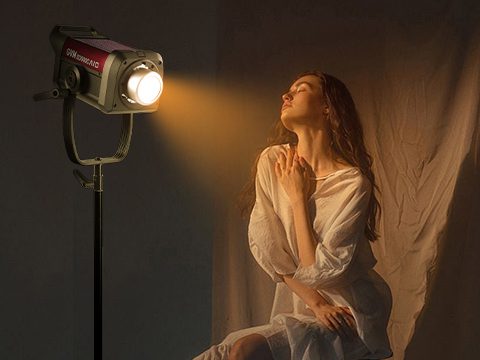
In the modern era, the ability to command light is the most valuable skill a photographer can possess. From the soft glow of an LED panel to the powerful burst of a studio strobe, artificial light allows for a level of consistency and creativity that nature simply cannot provide.
Was ist Kunstlichtfotografie
To truly understand Was ist Kunstlichtfotografie, one must look at the technical definition: it is any photography that utilizes light sources not created by the sun, moon, or stars. This includes everything from the built-in flash on a smartphone to the sophisticated lighting rigs used on Hollywood film sets.
The core of artificial light photography lies in the concept of “intentionality.” While natural light photographers often have to “find” the light, artificial light photographers “create” the light. This control allows you to manage four critical elements of photography:
- Direction: You decide exactly where the shadows fall.
- Intensity: You control how bright or dim the scene is without touching your camera settings.
- Farbtemperatur: You can switch between warm tungsten glows and cool daylight blues with the flick of a switch.
- Quality: You can choose between “hard” light (sharp shadows) or “soft” light (gentle transitions) using modifiers.
Essentially, artificial light photography removes the limitations of the physical world, giving you a blank canvas to paint with light.
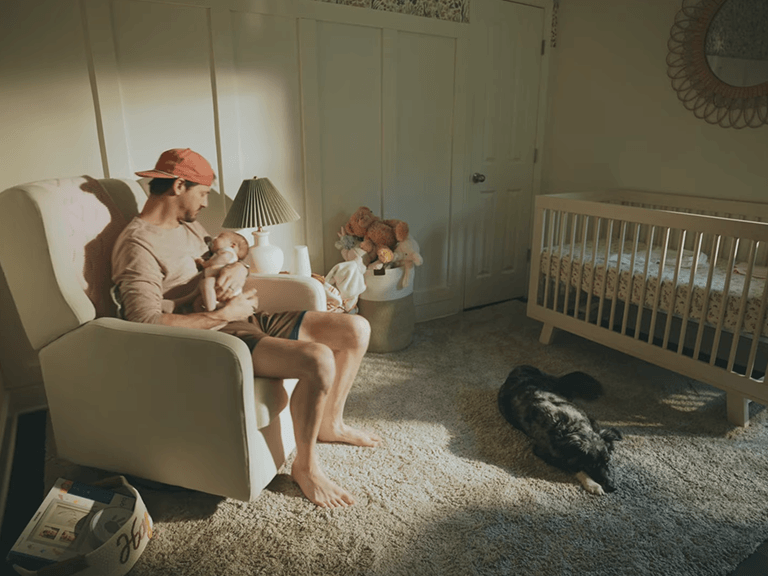
types of artificial light in photography
When building your kit, it is essential to understand the different types of artificial light in photography. Each type has its own characteristics, advantages, and learning curves.
1. Continuous Lighting
Continuous lights stay on once they are turned on. This is the “What You See Is What You Get” (WYSIWYG) approach to lighting.
- LED-Paneele: These are the most popular today. They are cool to the touch, energy-efficient, and often come with adjustable color temperatures (Bi-color or RGB).
- Tungsten/Incandescent: Known for their warm, orange glow. They get very hot but are often used for specific vintage aesthetics.
- Fluorescent: Often used in softboxes for budget-conscious beginners, though they are being rapidly replaced by LEDs.
2. Flash and Strobe Lighting
Flash lighting involves a sudden, powerful burst of light that is synchronized with the camera’s shutter.
- Speedlights: Small, portable flashes that sit on top of your camera’s hot shoe. They are perfect for event photography and weddings.
- Studio Strobes (Monolights): Much larger and more powerful than speedlights. They usually require a plug-in power source or a large external battery and are the backbone of fashion and portrait photography.
3. Practical Lighting
In artificial light photography, “practicals” are light sources that are actually visible within the frame of the photo. Examples include a desk lamp, a neon sign, or even a candle. While they may not be your primary light source, they add realism and depth to a scene.
best artificial light for photography
Finding a light that ‘packs a punch’ while staying ‘on the go’ is tough—until you meet the GVM SD300B AIO. In 2026, this 300W beast is a pro-favorite, pumping out 220,000 Lux to turn any dark studio into a brilliantly lit set. Beyond the raw power, its 97+ CRI/TLCI ensures skin tones look natural and textures pop, eliminating the need for heavy color grading. From 2700K warmth to 6800K cool white, the stepless dimming and 12 cinematic effects are game-changers. Pair that with wireless App control, and you’ve got a light that lets you focus on the art while it handles the tech. It’s the ultimate creative partner.
artificial light for photography tips
Mastering this craft takes practice. Use these artificial light for photography tips to jumpstart your progress and avoid common mistakes:
1. Understand the Inverse Square Law
This sounds technical, but it’s simple: Light falls off quickly. If you move your light twice as far away from your subject, it doesn’t just get half as bright—it gets four times dimmer. If you want a soft, dramatic look, move your light source closer to your subject.
2. Use Modifiers to Control Quality
Direct light from a bulb is usually “hard” and creates unflattering shadows. Use a softbox or an umbrella to increase the size of the light source. The larger the light source relative to the subject, the softer the light will be.
3. Balance with Ambient Light
Just because you are using artificial light photography doesn’t mean you have to ignore the room’s natural light. Use a slower shutter speed to “drag the shutter” and let in some of the ambient room glow, then use your flash to “freeze” your subject. This creates a more natural, layered look.
4. Watch Your White Balance
Different artificial lights have different “colors” (Kelvin). LED lights are usually 5600K (Daylight), while household bulbs are around 3200K (Warm). Make sure your camera’s white balance matches your primary light source to avoid strange skin tones.
5. Don’t Forget the Background
A common mistake in artificial light photography is lighting the subject perfectly but forgetting the background. Use a second, lower-powered light to illuminate the wall behind your subject. This creates “separation” and prevents your subject from looking like they are floating in a black void.
Schlussfolgerung
Meisterung artificial light photography is the ultimate “level up” for any visual creator. By moving beyond the limitations of natural light, you gain the freedom to shoot whenever inspiration strikes. Whether you are experimenting with the different types of artificial light in photography or investing in the best artificial light for photography for your first studio, remember that light is a language. The more you practice with your equipment and follow professional artificial light for photography tips, the more fluently you will be able to tell your stories through the lens.