Leitfaden für Anfänger in der Fotografie: Die Grundlagen beherrschen und Studiobeleuchtung lernen

Diesen Beitrag teilen

Inhaltsübersicht


- Einleitung
- Die Grundlagen der Fotografie
- Fotografie-Ausrüstung
- Studiobeleuchtung
- Nachbearbeitung
- Tipps und Tricks zur Fotografie
- Schlussfolgerung


Einführung


Die Fotografie ist nicht nur eine Kunstform, sondern eine Möglichkeit, das Wesen der Welt um uns herum einzufangen. Von Nachrichten bis hin zu Werbespots - Fotos können unsere Geschichten, Ideen und Emotionen effektiver als jedes andere Medium vermitteln.

Aber wo soll man anfangen, wenn die Fotografie ein so weites und komplexes Gebiet ist? Glücklicherweise hat das Internet es einfacher denn je gemacht, Fotografie zu lernen und ein Nachschlagewerk in der Tasche zu haben. Es ist eine großartige Möglichkeit, große Mengen an Informationen zu durchsuchen und das zu finden, was am besten zu Ihnen passt.

Dennoch ist es nicht immer einfach zu wissen, wo man anfangen soll oder wie man vorgehen soll, wenn man die Fotografie erlernen will. Aus diesem Grund haben wir diesen Leitfaden für Anfänger in der Fotografie erstellt. Unser Ziel ist ganz einfach: Wir wollen Ihnen helfen, die grundlegenden Konzepte der Fotografie von Anfang bis Ende zu erlernen, unabhängig von Ihrem Kenntnisstand.

Egal, ob Sie ein absoluter Anfänger sind oder ein erfahrener Fotograf, der seine Grundlagen auffrischen möchte - dieser Leitfaden bietet für jeden etwas. In den folgenden Abschnitten behandeln wir die Grundlagen der Fotografie, die wichtigste Ausrüstung, die Sie benötigen, einen Überblick über die Studiobeleuchtung, die Nachbearbeitung sowie einige Tipps und Tricks, die Ihnen helfen, Ihre Fotografie auf die nächste Stufe zu heben. Also los geht's!


Die Grundlagen der Fotografie


Einführung

Sind Sie jemand, der oft von schönen Fotos in sozialen Medien, Nachrichtenartikeln oder sogar Buchcovern beeindruckt ist? Möchten Sie lernen, wie Sie selbst solche atemberaubenden Bilder machen können? Dann sind Sie bei uns genau richtig!

Willkommen zum Einsteigerhandbuch für Fotografie. Dieser umfassende Leitfaden beginnt bei Null und führt Sie durch alle grundlegenden Konzepte, die Sie über die Fotografie wissen müssen. Egal, ob Sie ein Neuling sind oder Ihre Fotografie-Grundlagen auffrischen möchten, dieser Leitfaden ist für Sie.


Warum ist die Fotografie wichtig?

Die Fotografie ist nicht nur ein Hobby, sondern für viele auch ein Beruf. Sie ermöglicht es uns, unser Leben zu dokumentieren, unsere Kreativität auszudrücken und das Wesentliche der Welt um uns herum einzufangen. In der heutigen, von sozialen Medien geprägten Welt kann sie auch ein mächtiges Werkzeug sein, um mit anderen in Kontakt zu treten und Erfahrungen zu teilen.


Exposition und ihre Elemente

Im Kern ist die Fotografie die Kunst, Licht einzufangen. Aber wie steuern Sie die Lichtmenge, die in Ihre Kamera einfällt? An dieser Stelle kommen die Belichtung und ihre Elemente ins Spiel.

Die Belichtung ist die Lichtmenge, die von Ihrer Kamera erfasst wird, und sie kann durch drei Elemente gesteuert werden: Blende, Verschlusszeit und ISO. Die Blende ist die Öffnung im Objektiv, durch die das Licht in die Kamera gelangt. Sie wird in Blendenstufen gemessen, wobei eine kleinere Zahl eine größere Blende bedeutet und umgekehrt.

Die Verschlusszeit bezieht sich auf die Zeit, in der der Verschluss der Kamera geöffnet ist, und wird in Sekunden oder Bruchteilen einer Sekunde gemessen. Eine kürzere Verschlusszeit bedeutet, dass weniger Licht in die Kamera gelangt, während eine längere Verschlusszeit bedeutet, dass mehr Licht in die Kamera gelangt.

ISO bezieht sich auf die Lichtempfindlichkeit der Kamera und wird in Zahlen gemessen. Ein höherer ISO-Wert bedeutet, dass die Kamera lichtempfindlicher ist, was bei schlechten Lichtverhältnissen nützlich sein kann. Ein höherer ISO-Wert kann jedoch auch zu Rauschen oder Körnung in Ihren Fotos führen.


Das Expositionsdreieck

Diese drei Elemente - Blende, Verschlusszeit und ISO - bilden zusammen das Belichtungsdreieck. Das Belichtungsdreieck bezieht sich auf die Beziehung zwischen diesen Elementen und wie sie die Belichtung Ihres Fotos beeinflussen.

Es ist wichtig zu wissen, dass sich die Änderung eines Elements auf die beiden anderen auswirkt. Wenn Sie z. B. die Blende vergrößern (die Blendenzahl verringern), müssen Sie die Verschlusszeit verlängern oder den ISO-Wert verringern, um eine korrekte Belichtung zu erhalten.


Tiefenschärfe

Die Schärfentiefe bezieht sich auf den Entfernungsbereich auf einem Foto, der scharf erscheint. Sie wird von der Blende, der Brennweite und dem Abstand zwischen dem Motiv und der Kamera beeinflusst.

Eine größere Blende (niedrigere Blendenzahl) erzeugt eine geringere Schärfentiefe, während eine kleinere Blende (höhere Blendenzahl) eine größere Schärfentiefe erzeugt.

Brennweite und Sensorgröße

Die Brennweite ist der Abstand zwischen dem Kameraobjektiv und dem Kamerasensor, wenn das Objektiv auf unendlich fokussiert ist. Sie wird in Millimetern gemessen und kann den Blickwinkel und die Vergrößerung Ihres Fotos beeinflussen.

Die Sensorgröße hingegen bezieht sich auf die Größe des Bildsensors der Kamera. Ein größerer Sensor erzeugt in der Regel qualitativ hochwertigere Bilder mit weniger Rauschen oder Körnung.


Kameraeinstellungen

Neben den belichtungsrelevanten Elementen gibt es noch einige andere Kameraeinstellungen, die Sie kennen sollten, z. B. Kameramodi, Messmethoden, Fokusmodi und -bereiche sowie Weißabgleich.

Die Kameramodi beziehen sich auf die verschiedenen Aufnahmemodi, die Ihnen zur Verfügung stehen, wie z. B. Automatik, manuell, Verschlusspriorität und Blendenpriorität.

Die Messmodi beziehen sich auf die Art und Weise, wie Ihre Kamera das Licht in einer Szene misst, und die Fokusmodi und -bereiche beziehen sich darauf, wie Ihre Kamera entscheidet, auf welchen Teil der Szene sie fokussiert.

Der Weißabgleich hingegen ist ein Prozess, bei dem die Farben in Ihrem Foto so angepasst werden, dass das Weiß weiß erscheint und nicht durch die Lichtverhältnisse verfälscht wird.


Histogramm und Komposition

Das Histogramm ist ein Diagramm, das die Verteilung der Farbtöne in Ihrem Foto anzeigt. Es ist nützlich, um die richtige Belichtung zu gewährleisten und kann Ihnen helfen, die Kameraeinstellungen bei Bedarf anzupassen.

Die Komposition hingegen bezieht sich auf die Art und Weise, wie die Elemente in einem Foto angeordnet sind. Es geht um die Ausgewogenheit verschiedener Elemente wie Linien, Formen und Texturen, um ein visuell ansprechendes Foto zu schaffen.


Schlussfolgerung

Damit sind wir am Ende unserer Diskussion über die Grundlagen der Fotografie angelangt. Wir hoffen, dass Sie ein solides Verständnis für die grundlegenden Konzepte der Fotografie gewonnen haben. Denken Sie daran, dass Übung den Meister macht, also schnappen Sie sich Ihre Kamera und beginnen Sie mit Ihrem neu erworbenen Wissen zu experimentieren. In unseren nächsten Beiträgen werden wir diese Konzepte noch ausführlicher behandeln.


Fotografie-Ausrüstung


Einführung

Die Fotografie ist eine Kunstform, die weltweit von Millionen von Menschen praktiziert wird. Sie hat die Macht, die Schönheit und das Wesen der Welt auf einzigartige Weise einzufangen. Wenn Sie sich für die Fotografie begeistern und mehr darüber erfahren möchten, sind Sie hier genau richtig. In diesem Leitfaden für Anfänger in der Fotografie helfen wir Ihnen, die Grundlagen zu beherrschen und die Studiobeleuchtung zu erlernen.


Warum Fotografie wichtig ist

Die Fotografie ist wichtig, weil sie uns hilft, Erinnerungen zu dokumentieren und zu bewahren. Ob es sich um eine Hochzeit, einen Geburtstag oder ein anderes wichtiges Ereignis handelt, die Fotografie ermöglicht es uns, den Moment für immer festzuhalten. Sie hilft uns auch, Geschichten durch Bilder zu erzählen und mit anderen auf eine Weise zu kommunizieren, die Worte nicht können.


Wie man online Fotografie lernen kann

Das Erlernen der Fotografie im Internet ist in den letzten Jahren immer beliebter geworden. Im Internet finden Sie eine Fülle von Informationen über Grundlagen, Ausrüstung und Techniken der Fotografie. Es gibt Websites, Blogs und Tutorials, die alles von den Grundlagen bis zu fortgeschrittenen Konzepten abdecken.


Zweck dieses Leitfadens für Anfänger

Dieser Leitfaden für Einsteiger in die Fotografie soll eine umfassende Anleitung sein, die die grundlegenden Konzepte der Fotografie erklärt. Ganz gleich, ob Sie Anfänger sind oder schon etwas Erfahrung haben, dieser Leitfaden wird Ihnen helfen, eine solide Grundlage für die Fotografie zu schaffen.


Die Grundlagen der Fotografie

Um ein guter Fotograf zu werden, müssen Sie die Grundlagen der Fotografie beherrschen. Dazu gehören Belichtung, Blende, Verschlusszeit, ISO, Komposition, Brennweite und Kameraeinstellungen. In den folgenden Abschnitten werden wir jedes dieser Konzepte im Detail erklären.


Fotografie-Ausrüstung

Before you can start taking photographs, you need to have the right equipment. There are various types of cameras, lenses, and accessories available in the market. As a beginner, you can start with a basic DSLR camera and a standard zoom lens. As you progress, you can invest in more advanced gear.


Types of Cameras

There are generally two types of cameras available in the market – point and shoot cameras and DSLR cameras. Point and shoot cameras are compact and easy to use, while DSLR cameras offer more advanced features.


Types of Lenses

Lenses are an essential part of photography equipment. They come in various focal lengths and have different purposes. Some lenses are designed for portraits and others for landscapes. As a beginner, you can start with a standard zoom lens, which covers a range of focal lengths.


Photography Accessories

There are several accessories that can enhance your photography experience. These include tripods, filters, external flashes, and memory cards. Tripods help keep your camera steady, while filters can be used to add creative effects to your photos.


Essential Photography Gear for Beginners

As a beginner, you don’t need to invest in expensive gear. A basic DSLR camera, a standard zoom lens, a tripod, and a memory card are all you need to get started. These are essential photography gear that will help you capture stunning photos.


Schlussfolgerung

Photography is a fascinating art form that requires dedication and practice. In this Beginner’s Guide to Photography, we have covered the basics of photography, equipment, studio lighting, post-processing, and tips and tricks. We hope this guide has been helpful and wish you all the best in your photography journey. Keep practicing and never stop learning!


Studio Lighting


Einführung

Photography is an art form that captures life in its most basic form. With the increase in digital technology, photography has become more accessible to people of all ages. Whether you’re a professional photographer or an amateur looking to take better pictures, this guide will teach you everything you need to know about the basics of photography.


Why photography is important

Photography is important because it allows us to capture moments that we can never recreate. It gives us the ability to look back on memories that we hold dear in our hearts and preserve them for years to come. Photography is also important because it allows us to see the world through a different lens and appreciate its beauty.


How to learn photography online

Thanks to the rise of the internet, learning photography has become easier than ever. There are countless resources available online that provide tips, tutorials, and guides to help you master the art of photography. From blogs to YouTube channels, the internet is full of valuable information that can help you improve your skills.


Zweck dieses Leitfadens für Anfänger

The purpose of this beginner’s guide is to provide you with a comprehensive overview of the basics of photography. Whether you’re a complete novice or have some experience, this guide will teach you everything you need to know to start taking great photos.


Die Grundlagen der Fotografie


What is photography?

At its core, photography is the art of capturing light. The word “photography” comes from the Greek words “phos” (light) and “graphé” (drawing). Photography involves using a camera to capture images of the world around us.


Exposition und ihre Elemente

Exposure is the most important concept in photography. It refers to the amount of light that enters the camera and hits the sensor. Exposure is determined by three elements: aperture, shutter speed, and ISO.


The Role of Aperture in Photography

Aperture is the opening in the lens that allows light to enter the camera. Aperture is measured in f-stops and controls the amount of light that hits the sensor. It also affects the depth of field in the image.


Shutter Speed and its Effects

Shutter speed is the amount of time that the camera’s shutter is open, allowing light to hit the sensor. It is measured in seconds or fractions of a second. Shutter speed can be used to freeze motion or create motion blur.


Understanding ISO

ISO is the camera’s sensitivity to light. It is measured in numbers and can be adjusted to make the camera more or less sensitive to light. Higher ISO values can produce grainy or noisy images.


Das Expositionsdreieck

The exposure triangle is the relationship between aperture, shutter speed, and ISO. Understanding the exposure triangle is essential to creating properly exposed images.


Tiefenschärfe

Depth of field refers to the part of the image that is in focus. It is affected by the aperture and the distance between the camera and the subject.


Focal Length and Sensor Size

Focal length determines the angle of view and magnification of the lens. Sensor size affects the depth of field and noise level in the image.


Camera Settings You Need to Know

Understanding camera settings such as white balance, metering modes, and focus modes is essential to creating great images.


Metering Modes and Focus Modes & Areas

Metering modes determine how the camera measures the light in the scene. Focus modes and areas determine how the camera focuses on the subject.


White Balance

White balance determines the color temperature of the image. It can be adjusted to compensate for different lighting conditions.


Histogram

The histogram is a graphical representation of the exposure of the image. It can be used to ensure that the image is properly exposed.


Composition

Composition refers to the arrangement of elements in the image. It is essential to creating visually appealing images.


Fotografie-Ausrüstung

Types of Cameras

There are many types of cameras available, from point-and-shoot cameras to high-end DSLRs. Each type of camera has its own advantages and disadvantages.


Types of Lenses

Lenses are essential to creating great images. There are many types of lenses available, each designed for a specific purpose.


Photography Accessories

Accessories such as tripods, filters, and lighting equipment can help enhance your images.


Essential Photography Gear for Beginners

As a beginner, there are a few essential pieces of gear that you’ll need to get started in photography.


Studio Lighting

What is Studio Lighting?

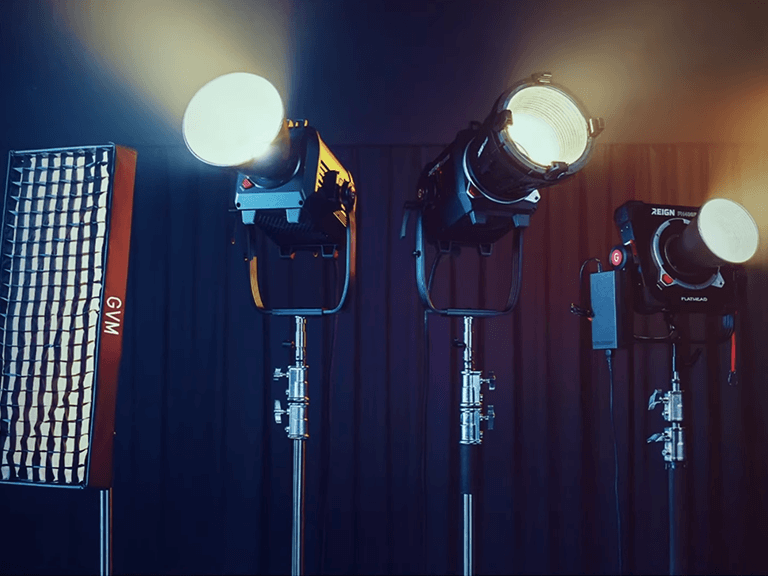
Studio lighting refers to the use of artificial lighting to illuminate a subject in a controlled environment. It is commonly used in portrait, product, and commercial photography.


Types of Studio Lights

There are many types of studio lights available, each with its own advantages and disadvantages. Some common types of studio lights include strobe lights, continuous lights, and LED lights.

Different Lighting Setups

There are many different lighting setups that can be used in studio photography, including the three-point lighting setup, butterfly lighting, and split lighting.

How to Use Studio Lighting

Using studio lighting requires some knowledge and skill. It involves setting up the lights, adjusting the power and placement of the lights, and taking test shots to ensure proper exposure.

Studio Lighting Tips and Tricks

There are many

tips and tricks that can help you get the most out of your studio lighting setup. These include using light modifiers, adjusting the color temperature, and using a light meter.

Post-Processing

What is Post-Processing?

Post-processing refers to the editing of images after they have been taken. It is an essential part of creating great images.

Types of Software for Post-Processing

There are many types of software available for post-processing, including Adobe Photoshop, Lightroom, and GIMP.

Basic Editing Techniques

Basic editing techniques include cropping, adjusting exposure, and adjusting color.

Advanced Editing Techniques

Advanced editing techniques include creating composites, removing objects, and adjusting skin tone.

Common Mistakes to Avoid

There are many common mistakes that beginners make in post-processing. These include over-editing, using too many filters, and not saving the original image.

Photography Tips and Tricks

How to Take Sharp Pictures

Taking sharp pictures requires some knowledge and skill. It involves using a tripod, adjusting the shutter speed, and selecting the right focus point.

Night Photography

Night photography requires some preparation and skill. It involves using a tripod, adjusting the exposure, and using a remote shutter release.

Portrait Photography Tips

Portrait photography requires some knowledge and skill. It involves selecting the right lens, using the right lighting, and engaging with the subject.

Wildlife Photography

Wildlife photography requires patience and skill. It involves selecting the right lens, finding the right location, and using the right techniques to capture the subject.

Landscape Photography

Landscape photography requires some preparation and skill. It involves finding the right location, using the right equipment, and understanding composition.

Macro Photography

Macro photography requires some knowledge and skill. It involves selecting the right lens, using the right lighting, and paying attention to composition.

Street Photography

Street photography requires some preparation and skill. It involves finding the right location, using the right equipment, and understanding composition.

Black and White Photography

Black and white photography requires some knowledge and skill. It involves understanding tonality, using the right lighting, and paying attention to composition.

Unique Gift Ideas for Photographers

There are many unique gift ideas for photographers, including camera bags, tripods, and photography books.

Schlussfolgerung

In conclusion, this beginner’s guide has provided a comprehensive overview of the basics of photography. With the knowledge and skills gained from this guide, you can start taking great photos and exploring the world of photography. Don’t be afraid to experiment and always keep learning.


Post-Processing


Post-Processing:

Congratulations! You’ve clicked amazing photos and have successfully grasped photography basics. Now it’s time to take things to the next level. This is where post-processing comes in handy to elevate those pictures to the next level.

Post-processing is the art of editing photos after they have been taken. It involves optimizing images, modifying colours, adjusting brightness and contrast, removing unwanted elements, and much more. The purpose of post-processing is to take an ordinary photograph and turn it into something extraordinary.

There are various types of software you can use for post-processing, ranging from basic to sophisticated editing tools. Some popular software like Adobe Photoshop, Adobe Lightroom, and GIMP are worth trying to start with. These software offer a wide range of tools, such as cropping, image resizing, colour correction, sharpening images, and more.

Basic editing techniques are the first steps into post-processing. These techniques include cropping, adjusting colour balance and contrast, and removing unwanted objects from the photo. Once you get familiar with these basics, it’s time to learn advanced editing techniques. Advanced editing can be used to remove wrinkles, eliminate noise, manipulate the background, and much more. The key is to maintain a balance between the image’s natural look and the modifications you make.

There are a few common mistakes you should avoid while editing. First, avoid over-editing, as it can make the photo look artificial. Second, don’t go for online editing tutorials blindly without keeping your photography style in mind. Lastly, remember to save your edits using a different filename, so you don’t accidentally overwrite the original file.

Post-processing can be a time-consuming aspect of photography, but it’s also where you can bring out your creativity. Don’t be afraid to explore and test new editing styles until you find the ones that best suit your taste.

That’s it – you’re now familiar with the basics of post-processing. Keep practicing, have fun, and see your photography grow!


Photography Tips and Tricks


Photography Tips and Tricks

Now that you have a basic understanding of photography, it’s time to talk about some tips and tricks that will help you take your photography skills to the next level.

How to Take Sharp Pictures

One of the most important things to keep in mind when it comes to taking sharp pictures is to use a tripod. This will ensure that your camera is stable and won’t shake, resulting in blurry images. Additionally, make sure to use a fast shutter speed and a small aperture to increase your chances of capturing a sharp image.

Night Photography

Night photography can be tricky, but with the right skills, you can take stunning photos at night. The key is to use a slower shutter speed and a higher ISO to capture more light. You can also use a flashlight to illuminate certain parts of your subject to add an interesting touch to your photos.

Portrait Photography Tips

When it comes to portraiture, it’s important to make your subject feel comfortable in front of the camera. Try shooting from different angles and experiment with lighting to create a variety of moods. Additionally, always focus on the eyes – they are the most important part of a portrait.

Wildlife Photography

To capture the perfect wildlife photo, you need to be patient and observant. Take the time to study your subject and understand their habits and routines. Additionally, try to get as close to the animal as possible, but always be respectful of their space.

Landscape Photography

When it comes to landscape photography, composition is key. Try to find interesting foreground elements to add depth to your photos. You can also experiment with different angles and lighting to create different moods in your images.

Macro Photography

Macro photography allows you to capture the beauty of the small details around us. It’s all about getting up close and personal with your subject. Use a macro lens and experiment with different angles and lighting to make your macro photos stand out.

Street Photography

Taking photos in busy streets can be an adventure, but it’s important to be respectful of people’s privacy. Try to capture candid moments and interesting details that showcase the vibe of the city. Additionally, experiment with composition and framing to create unique and memorable images.

Black and White Photography

Black and white photography can add drama and emotion to your images. Try to focus on contrast and texture to create a unique black and white image. Additionally, experiment with different types of lighting to create interesting shadows and highlights.

Unique Gift Ideas for Photographers

If you know a photographer in your life, there are plenty of unique gift ideas that will help them with their craft. Consider getting them a tripod, a set of lenses, or a photography workshop. You can also consider getting them a personalized camera strap or a custom photo album to showcase their work.

Now that you have some great tips and tricks for mastering photography basics, it’s time to put them into practice and take some amazing photos! Remember, practice makes perfect, so keep experimenting and learning to become a great photographer.


Schlussfolgerung


We hope you’ve enjoyed our Beginner’s Guide to Photography thus far! It has been a pleasure taking you through the basics and getting to the heart of what makes a great photo. To recap quickly, we’ve discussed the main elements of photography, including exposure, aperture, shutter speed, ISO, and the exposure triangle. We’ve also looked at focal length, sensor size, camera settings, and composition.

Moving forward, you’ll want to start considering the equipment you’ll be using to take your photos. We’ve talked about the different types of cameras, lenses, and accessories you might want to invest in. And if you’re interested in studio lighting, we’ve provided insights on its various forms, how to use it, and some tips and tricks to help you get started.

Of course, post-processing is an essential part of digital photography, and we’ve got you covered there too. From basic editing techniques to more advanced manipulation, we’ve looked at the various types of software you might want to try out.

So what’s next for you? As a beginner photographer, it’s all about practice, practice, practice! Keep shooting, experimenting, and discovering new techniques to add to your arsenal. And don’t forget to check out our various photography tips and tricks for inspiration.

Most importantly, have fun! Photography is a creative and exciting hobby, and we hope our Beginner’s Guide to Photography has helped you take your first steps towards mastering the basics. Thanks for reading, and happy shooting!

Möchten Sie Ihr Geschäft ankurbeln?

Schreiben Sie uns eine Nachricht und bleiben Sie in Kontakt