Monoluce migliore per la fotografia Le opzioni nel 2026 hanno trasformato il modo in cui i creatori approcciano l'illuminazione in studio e in location. Con la tecnologia high-speed sync e l'efficienza delle batterie che raggiungono nuove vette, il moderno monolume è diventato la scelta principale per i fotografi professionisti che richiedono potenza senza l'ingombro dei pacchi batteria esterni. Scegliere il giusto monoluce per fotografia è ora l'investimento più significativo che si possa fare per garantire risultati costanti e di alta qualità in un mercato visivo competitivo.
Sia che tu stia costruendo uno studio commerciale di alta gamma o un kit portatile per ritratti, la comprensione degli ultimi progressi nella tecnologia degli stroboscopi è essenziale. Questa guida analizza i migliori performer e le specifiche tecniche che definiscono lo standard industriale attuale.
Cos'è un Monoluce in fotografia?
A monoluce per fotografia è un'unità flash elettronica autonoma che alloggia il tubo flash, l'alimentatore e il sistema di raffreddamento all'interno di un'unica testa. A differenza dei sistemi pack-and-head che richiedono un pacco batteria separato e pesante a pavimento collegato via cavo, il monolite è una soluzione all-in-one che si collega direttamente a una presa a muro o funziona con una batteria integrata.
Nel 2026, queste unità sono apprezzate per la loro semplicità e indipendenza. Poiché ogni luce ha la propria fonte di alimentazione, un guasto in un'unità non influisce sul resto del tuo impianto di illuminazione. Ciò li rende la scelta ideale per i fotografi che necessitano di un sistema affidabile e modulare che possa crescere con l'espansione della loro attività.
Monoluce vs. Strobe e Strobo da studio
I termini monoluce e studio strobo vengono spesso usate in modo intercambiabile, ma ci sono sfumature tecniche da considerare. Uno stroboscopio è un termine generale per qualsiasi lampo che produce un'esplosione di luce di alta intensità e di breve durata.
La differenza principale risiede nell'architettura:
- Monoluci: Questi sono unità indipendenti. Sono più facili da installare e offrono maggiore flessibilità di posizionamento perché non si è limitati dalla lunghezza di un cavo di alimentazione che conduce a un pacco centrale.
- Stroboscopi Pack-and-Head: Questi coinvolgono più teste collegate a un unico grande generatore di corrente. Sebbene offrano spesso tempi di riciclo più rapidi e maggiore potenza, sono meno portatili dei monotorce moderni.
- Studi Strobo: Tradizionalmente, si trattava di unità alimentate da corrente alternata progettate per rimanere in un posto. Tuttavia, il mercato del 2026 ha visto un massiccio spostamento verso flash da studio “ibridi” che offrono la potenza di un'unità da studio con la portabilità a batteria di un flash speedlight.
Recensioni e confronti di monoluce
Quando si esamina monoluce migliore per la fotografia i modelli di quest'anno, diversi fattori chiave spiccano: coerenza dei colori, tempo di riciclo e integrazione wireless.
Unità Professionali di Alta Gamma
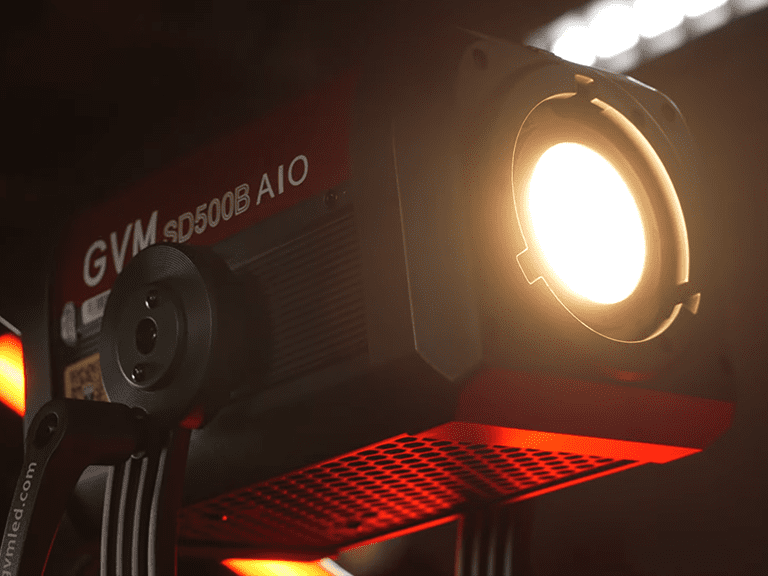
Modelli di punta GVM Dai priorità all'accuratezza del colore professionale e al controllo intelligente. Con un CRI di 97+, queste luci garantiscono tonalità precise per la fotografia di prodotti di alta gamma. La loro serie 2026 offre una sincronizzazione impeccabile tramite app e sistemi di raffreddamento avanzati progettati per gestire flussi di lavoro intensivi da studio di lunga durata.
Affidabilità di livello base
Per chi è alle prime armi, l'attenzione è sulla facilità d'uso. I moderni monolights di livello base ora dispongono di interfacce touchscreen intuitive e controllo tramite app per smartphone, che consentono ai fotografi di regolare i livelli di potenza da tutta la stanza senza abbassare i loro stativi.
Miglior Monoluce per Fotografia nel 2026
Se stai cercando il monoluce migliore per la fotografia Nell'attuale mercato, la tua scelta dovrebbe dipendere dal tuo ambiente di ripresa primario.
- Il tuttofare (500Ws): Un monolite da 600 watt-secondi è il “giusto” dosaggio di illuminazione. È abbastanza potente da sovrastare il sole durante uno scatto all'aperto a mezzogiorno, ma può essere ridotto per ritratti intimi al chiuso.
- Il cavallo di battaglia dello studio (1200Ws): Per set di grandi dimensioni o per scatti con modificatori ingombranti come ottabox da 5 piedi, è necessaria un'unità da 1200Ws. Questo garantisce la possibilità di scattare a diaframmi ridotti (f/11 o f/16) per la massima nitidezza.
- La luce da viaggio compatta (300Ws): Ideale per fotografi di matrimonio e documentaristi. Queste unità sono poco più grandi di un obiettivo per impieghi gravosi ma offrono una potenza cinque volte superiore a un flash standard.
Guida all'acquisto di monoluce a batteria
L'ascesa del monoluce a batteria è stata la tendenza più significativa nell'attrezzatura fotografica dell'ultimo decennio. Non più collegati a una presa a muro, i fotografi ora hanno la libertà di portare la luce di qualità da studio nella natura selvaggia o negli ambienti urbani affollati.
Capacità e durata della batteria
Quando acquisti un'unità a batteria, cerca almeno 350-400 flash a piena potenza per carica. Nel 2026, molte batterie saranno “hot-swappable”, il che significa che potrai cambiare la batteria in pochi secondi senza aspettare che l'unità si raffreddi.
Peso e Volume
La portabilità è un'arma a doppio taglio. Una batteria integrata aggiunge peso alla parte superiore del tuo stativo per luci, il che può renderlo sbilanciato verso l'alto. Cerca design in cui la batteria sia posizionata in basso sull'unità o disponga di un meccanismo di bloccaggio sicuro per evitare cadute accidentali durante il trasporto.
Ecosistemi di ricarica
Il migliore monoluce a batteria I sistemi ora dispongono di ricarica USB-C PD (Power Delivery). Questo ti permette di usare le stesse power bank che usi per il tuo laptop per ricaricare le tue luci tra un set e l'altro, un enorme vantaggio per i fotografi che lavorano in esterni.
Considerazioni finali sulle tendenze dell'illuminazione del 2026
Investire in un monoluce per fotografia riguarda più che il semplice acquisto di un flash; si tratta di scegliere un ecosistema. Mentre ci dirigiamo verso il 2026, l'integrazione dell'esposizione assistita dall'IA e delle durate del flash ultra-veloci (fino a 1/50.000s) ha reso questi strumenti più capaci che mai.
Dai la priorità ad unità che offrano modularità, trigger wireless affidabili e qualità costruttiva robusta. Sia che tu scelga uno stroboscopio da studio ad alta potenza o un monoluce compatto a batteria, l'attrezzatura giusta ti permetterà di smettere di preoccuparti dei limiti tecnici e di iniziare a concentrarti sulla tua visione creativa.