Illuminazione fotografica è il pilastro fondamentale della narrazione visiva. Che tu sia un operatore cinematografico professionista o un fotografo di ritratti aspirante, capire come manipolare la luce fa la differenza tra uno scatto piatto e amatoriale e un capolavoro cinematografico. Mentre ci avviciniamo al 2026, la tecnologia alla base del controllo della luce è diventata più precisa, consentendo ai creatori di scolpire le scene con precisione chirurgica.
Quando gli esperti parlano dei “tre tipi di illuminazione”, di solito si riferiscono al classico setup di illuminazione a tre punti—Luce chiave, luce di riempimento e controluce. Tuttavia, il concetto si estende anche all'ambiente in cui giriamo: illuminazione naturale, illuminazione scura e illuminazione artificiale da studio. Questa guida esplorerà queste definizioni e fornirà consigli pratici per padroneggiare la tua attrezzatura di illuminazione.
Fotografia di illuminazione definizione
Il Fotografia di illuminazione definizione è l'applicazione intenzionale della luce su un soggetto o una scena per ottenere un risultato tecnico e artistico desiderato. Non è semplicemente la presenza di luce; è il controllo della sua qualità, direzione, intensità e colore.
In termini tecnici, l'illuminazione garantisce che il sensore della fotocamera riceva abbastanza fotoni per produrre un'immagine pulita senza rumore digitale eccessivo. Artisticamente, crea il “modellato”, che è l'uso di luci e ombre per dare a un'immagine bidimensionale l'aspetto di profondità tridimensionale. Nel 2026, con l'aumento dei display ad alta gamma dinamica (HDR), la precisione della tua illuminazione è più visibile al pubblico che mai.
Quali sono le luci utilizzate in fotografia
Per padroneggiare il professionale illuminazione fotografica, devono andare oltre il flash integrato della fotocamera. I creatori moderni utilizzano una varietà di strumenti specializzati per ottenere effetti specifici. Nel panorama attuale, la tendenza si è spostata verso l'illuminazione continua a LED, che consente a videomaker e fotografi di vedere i propri risultati in tempo reale.
Gli strumenti di illuminazione chiave includono:
- Pannelli LEDOttimo per una luce ampia e morbida.
- Luci COB (Chip on Board): Sorgenti puntiformi ad alta emissione che possono essere modificate con softbox o snoot.
- Fari puntatiLuci specializzate che consentono di regolare l'angolo del fascio per evidenziare aree specifiche.
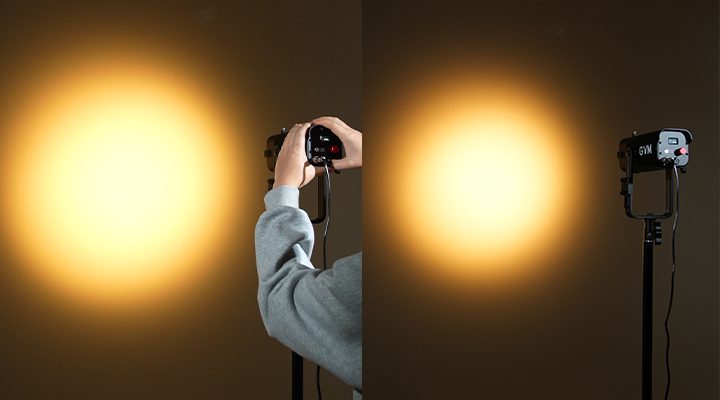
Spotlight Professionale: faretti LED bi-colore focalizzabili GVM PF100B
Uno degli strumenti più versatili per ottenere i “tre tipi di illuminazione” è il GVM PF100B. A differenza delle luci standard, questo faretto focalizzato è specificamente progettato per funzionare come un Luce principale, controluce o luce di contorno con incredibile precisione. La sua capacità di zoomare da un fascio stretto di 15° a un fascio ampio di 45° lo rende uno strumento essenziale per la produzione di studi di alta gamma.
Caratteristiche principali della GVM PF100B
| Caratteristica | Vantaggi per i creatori |
| Messa a fuoco precisa | Ottica Fresnel integrata per un'illuminazione nitida e controllata su soggetti specifici. |
| 2700K – 6800K Gamma | Regola la temperatura colore per abbinarla alla luce solare naturale o alle lampade da interni calde. |
| Dimmeraggio a 1000 passi | Regolazione della luminosità ultra-fine per un'esposizione perfetta. |
| 15° - 45° Zoom | Passa da un controluce stretto a una luce principale ampia in pochi secondi. |
| Alto CRI (≥96) | Garantisce che le tonalità della pelle e i prodotti appaiano vibranti e fedeli alla realtà. |
| Raffreddamento intelligente | Funzionamento silenzioso, fondamentale per registrare audio pulito durante le interviste. |
Specifiche tecniche
| Parametro | Specifiche |
| Modello | GVM PF100B |
| Tipo di luce | Faretti LED a messa a fuoco bicolore |
| Angolo del fascio | da 15° a 45° (regolabile) |
| Temperatura del colore | 2700K – 6800K |
| Intervallo di intensità luminosa | 0–100% |
| Metodi di controllo | Su pannello, Remoto, DMX (opzionale) |
| Max Potenza | AC 100–240V |
| Ideale per | Film, Ritratti Cinematografici, Streaming Live, Spot Pubblicitari |
Perché il GVM PF100B si adatta ai tre tipi di illuminazione:
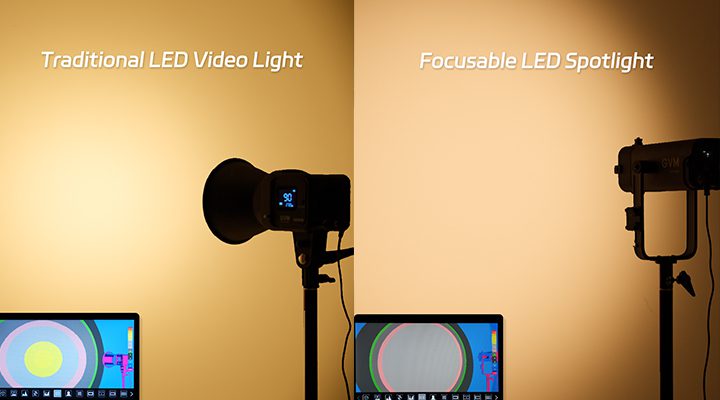
- Luce principaleUtilizzando l'impostazione del fascio largo di 45°, il PF100B offre un decadimento più morbido rispetto alle tradizionali luci COB, rendendolo un'eccellente fonte di luce principale per le interviste.
- RetroilluminazioneLa messa a fuoco di precisione ti consente di posizionare la luce dietro il soggetto senza che la luce “invada” l'obiettivo della fotocamera, creando separazione dallo sfondo.
- Luce di riempimento/contornoRestringendo il fascio a 15°, puoi mettere in risalto i capelli o le spalle del soggetto, fornendo quell'effetto “alone” professionale che definisce la qualità cinematografica.
fotografia con luce naturale
Fotografia con luce naturale si basa sul sole come fonte di luce primaria. È la forma di luce più accessibile ma anche la più difficile da controllare. Nel 2026, i fotografi utilizzano sempre più tecniche “ibride”, combinando luce naturale con modificatori artificiali per ottenere l'equilibrio perfetto.
Ci sono tre fasi principali della luce naturale:
- Ora d'oro: Che si verifica poco dopo l'alba o prima del tramonto, questa luce è calda, morbida e crea ombre lunghe e drammatiche. È il gold standard per la fotografia di paesaggi e matrimoni.
- Il sole di mezzogiorno: Spesso evitate dai professionisti, questa crea ombre dure “dall'alto verso il basso”. Per ovviare a questo inconveniente, i fotografi utilizzano riflettori o “schermi” per ammorbidire l'illuminazione naturale.
- Nuvoloso / Ora BluLe nuvole agiscono come un enorme softbox naturale, fornendo una luce uniforme e senza ombre, perfetta per i ritratti in cui si desidera minimizzare le imperfezioni della pelle.
La sfida della luce naturale è la sua incoerenza. Ecco perché i professionisti portano spesso luci come la GVM PF100B nei servizi fotografici all'aperto; può “riempire” le ombre nette create dal sole, garantendo che il viso del soggetto sia adeguatamente illuminato pur mantenendo il bellissimo sfondo naturale.
illuminazioni oscure fotografia
Fotografia con illuminazione oscura, spesso chiamato illuminazione “Low-Key”, è una forma d'arte incentrata sull'assenza di luce. In questo stile, il fotografo utilizza una singola fonte di luce per “scolpire” il soggetto dall'oscurità. Questa tecnica è sinonimo di mistero, drammaticità ed estetica noir di fascia alta.
Per ottenere un'illuminazione scura di successo, devi padroneggiare due concetti:
- Controllo della dispersione della luce: Devi assicurarti che la luce colpisca esattamente ciò che vuoi illuminare. È qui che eccelle un faretto focalizzante come il GVM PF100B. Restringendo il fascio a un punto di 15°, puoi illuminare solo gli occhi del soggetto o una specifica caratteristica del prodotto, mantenendo il resto dell'inquadratura in completa oscurità.
- ContrastoL'illuminazione scura richiede un elevato rapporto di contrasto tra le alte luci e le ombre. Invece di usare una “luce di riempimento” per schiarire le ombre, si lascia che le ombre cadano nel nero profondo.
Nel 2026, l'illuminazione scura sarà di tendenza nella fotografia di prodotto per articoli di lusso come orologi e gioielli, dove la luce “dura” viene utilizzata per creare riflessi scintillanti su uno sfondo cupo e scuro.
Riassunto: Padroneggiare i tre tipi di illuminazione
Per elevare il valore della tua produzione, dovresti sempre pensare a come stai utilizzando i tre tipi di illuminazione nella tua scena:
- Illuminazione chiaveLa tua sorgente primaria. Definisce l'atmosfera e l'esposizione.
- Illuminazione di riempimentoPer controllare la profondità delle ombre.
- Illuminazione di accento/retroilluminazione: Utilizzato per creare separazione, evidenziare texture e aggiungere un tocco professionale al soggetto.
Combinando l'imprevedibilità di fotografia con luce naturale con la precisione di strumenti come il GVM PF100B Spotlight LED a Messa a Fuoco, ottieni la massima libertà creativa. Che tu stia girando un vlog luminoso e arioso o un cortometraggio drammatico con “illuminazione scura”, la comprensione di questi principi assicura che il tuo lavoro si distingua nel panorama digitale affollato del 2026.
Pronto ad aggiornare il tuo kit di illuminazione? Esplora il GVM PF100B e inizia oggi stesso a scolpire la tua storia con la luce.