Product photography lighting quietly decides whether a product sells or gets scrolled past. Shoppers can’t pick up an item, feel its texture, or check its true color in person — the photo is the entire pitch, and lighting is what determines whether that pitch looks trustworthy or off. A shirt that photographs slightly too dark, a piece of jewelry with distracting glare, or a product that looks a shade different from what actually arrives in the mail all quietly erode conversion rates and drive up returns.
Lighting has an outsized impact on product sales. This article explores how to set up a basic product photography lighting setup, why LED lights have replaced natural light as the industry standard, which equipment meets the color accuracy required in this field, and how to build a reliable lighting system without overspending.
Why Product Photography Lighting Matters for Sales
E-commerce customers make purchasing decisions almost entirely based on images, which means lighting isn’t just a technical detail — it’s directly tied to conversion rate and return rate.
Color accuracy prevents returns. One of the most common reasons for product returns in e-commerce is a mismatch between the photographed color and the actual item received. Poor lighting, particularly from low-CRI light sources, can shift colors just enough to create this mismatch, even when no editing or manipulation was involved.
Consistency builds trust. When a shopper browses a product listing or a full catalog, inconsistent lighting between images — different color casts, uneven brightness, mismatched shadows — creates a subtle sense that something is unpolished or unreliable, even if the shopper can’t articulate exactly why.
Clarity affects perceived quality. Harsh, uncontrolled lighting can obscure texture, material quality, and fine details that customers use to judge whether a product looks worth the price. Well-lit texture and finish often do more to justify a price point than the product description itself.
Because of this, lighting deserves the same level of attention as photography equipment or editing software — arguably more, since no amount of post-processing fully corrects for fundamentally inaccurate color captured under poor lighting.
Product Photography Lighting Setup Essentials
A dependable product photography setup follows a fairly standardized structure, since repeatability matters more here than creative variation.
Key light provides the primary illumination, typically positioned at roughly 45 degrees to the product to establish the main brightness and color temperature of the shot.
Fill light, often placed on the opposite side of the key light at a lower intensity, softens shadows on the side of the product facing away from the key light so detail remains visible on both sides.
Background or backlight creates separation between the product and its backdrop — especially important for the pure white backgrounds required by most marketplaces like Amazon or Shopify storefronts.
Diffusion, through softboxes, light tents, or diffusion panels, softens light before it reaches the product, cutting down on harsh reflections and hot spots on glossy or reflective items.
A fixed camera and product position between shots, while not a lighting component itself, ensures that lighting stays consistent across an entire product line or catalog rather than varying shot to shot.
Because modern LED panels run cool and don’t require the clearance older tungsten setups demanded, a full three-light configuration can now fit comfortably into a small studio space or even a spare room.
Natural Light vs. LED Light for Product Photography
Natural light remains a popular entry point for product photography since it’s free and, under the right conditions, genuinely attractive. But it comes with real limitations once photography needs to scale or stay consistent.
Daylight shifts throughout the day. Color temperature and intensity change constantly, meaning a product photographed at 10 a.m. can look noticeably different from the same product shot at 4 p.m. — a problem for single hero images, and a serious one for a catalog requiring visual consistency across dozens of listings.
Weather and time limit availability. Photographers relying on window light are restricted to specific hours and are at the mercy of cloud cover, making it difficult to keep a reliable production schedule.
LED lighting removes both variables. A quality LED light delivers fixed, repeatable brightness and color temperature regardless of the time of day or weather outside, so a product shot on Monday morning matches one shot on Friday afternoon. Bi-color and full-spectrum LED panels also let photographers fine-tune color temperature precisely, rather than working around whatever the sun happens to be doing.
For a single occasional product shot, natural light is still a reasonable option. But for any photographer or business shooting product photography regularly, LED lighting offers a level of control natural light simply can’t replicate.
Best Lighting Equipment for Product Photography
Because product photography depends so heavily on color fidelity, the most important spec to prioritize is CRI (Color Rendering Index) — ideally 95 or above — paired with a wide, precisely adjustable color temperature range.
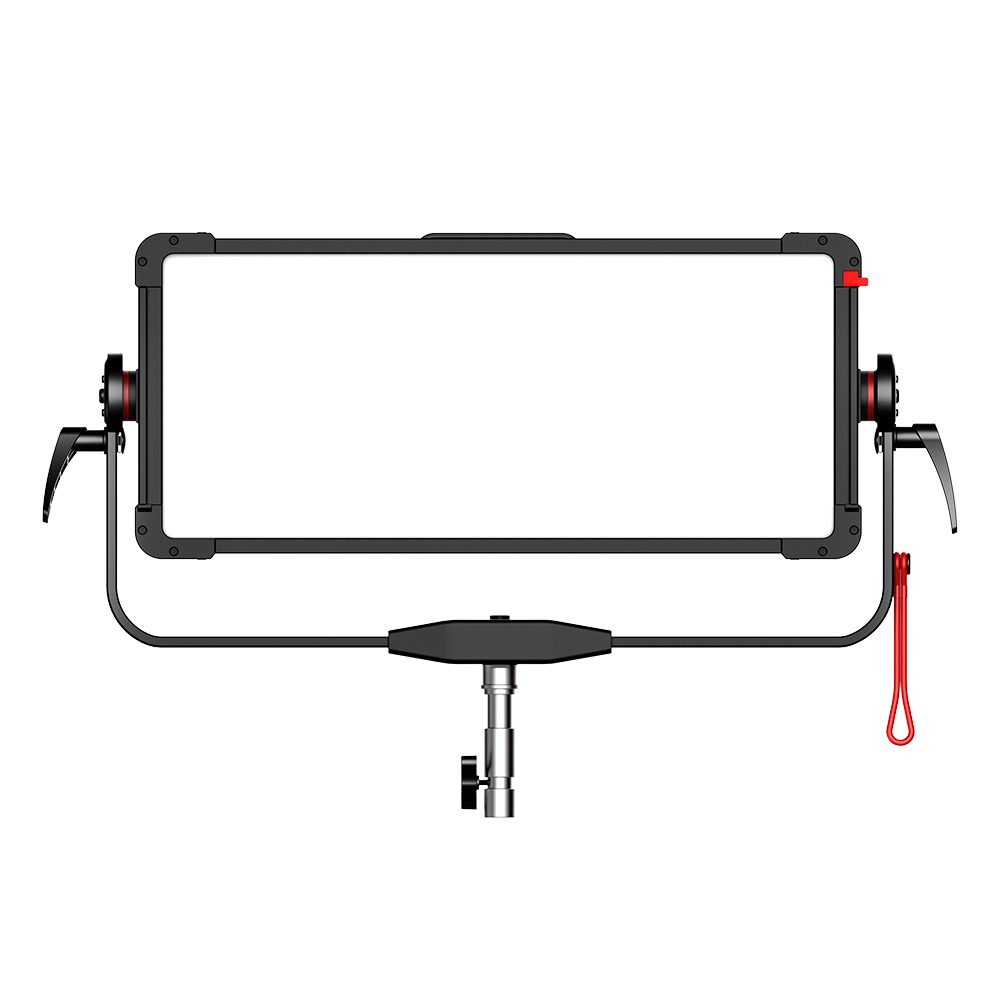
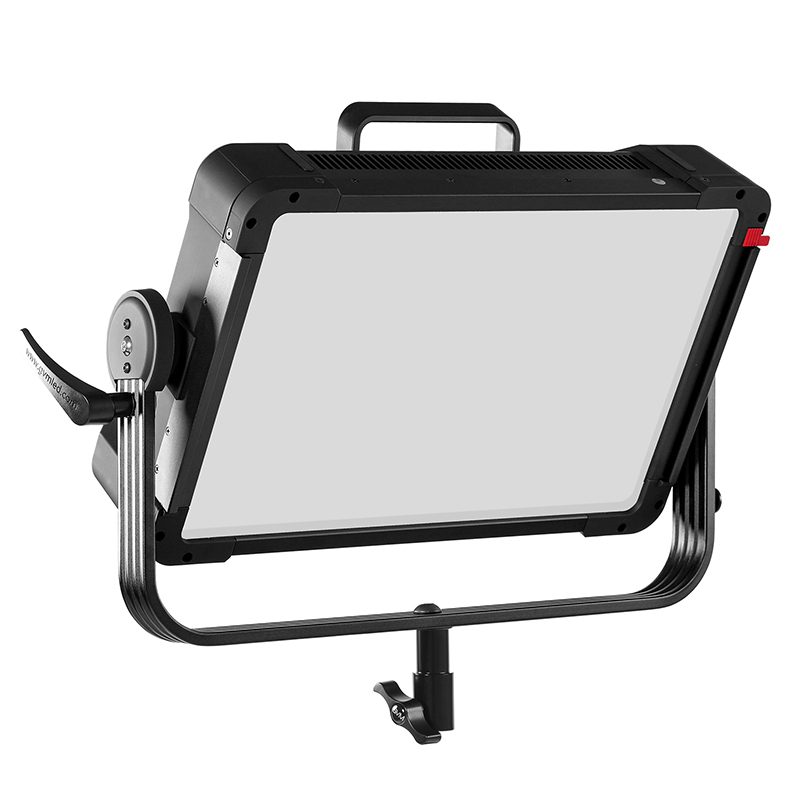
Il GVM YU600C fits this requirement closely. Its CRI rating of 97+ ensures colors rendered under the light closely match how a product would actually appear in person, which is critical when a customer’s buying decision hinges on trusting the photographed color.
Its 600W output provides ample brightness for larger products or a full three-light configuration without any single fixture straining for power, while its exceptionally wide 2000K–10,000K color temperature range lets photographers precisely match studio conditions or adjust tone by product category — warmer for wood, leather, or ceramics; cooler for tech, metal, or glass — all from one fixture instead of needing separate lights for different temperatures.
The YU600C’s four-zone independent lighting control also allows a single panel to behave like several light sources at once, adjusting brightness and color separately across different zones — useful for photographers who want a subtle gradient across a product’s surface without setting up a second dedicated light.
| Caratteristica | Specification / Benefit |
|---|---|
| Modello | GVM YU600C |
| Potenza | 600W |
| Temperatura del colore | 2000K–10,000K, full HSI and CCT modes |
| CRI/TLCI | 97+ for accurate product color reproduction |
| Controllo | Four-zone independent lighting control |
| Perline LED | 3.120 LED di alta qualità |
| Built-in Effects | 20 lighting effects, 12 light source presets |
| Il migliore per | E-commerce photography, catalog shoots, studio product photography |
Product Photography Lighting on a Budget
A capable product photography setup doesn’t require buying a full matched lighting kit on day one. Starting with a single high-CRI light and a basic diffusion panel or light tent can already produce clean, sellable results for smaller products.
A few practical ways to keep costs down without sacrificing image quality:
Prioritize CRI over raw wattage when budgets are tight. A less powerful light with excellent color rendering will produce more accurate, sellable images than a brighter light with poor CRI performance.
Use reflectors before adding a second powered light. White foam boards can bounce light back onto a product’s shadow side, reducing or eliminating the need for a second fill light in a basic setup.
Invest in diffusion before investing in more lights. A simple light tent or diffusion panel often improves image quality on reflective products more noticeably than a second light would.
Choose one wide-range light instead of multiple fixed-temperature fixtures. A bi-color or full-spectrum light like the YU600C covers the color range most product categories need, avoiding the added cost of purchasing separate warm and cool lights.
As shooting volume grows, additional lights and modifiers can be added incrementally — but a single high-CRI LED light remains a strong, cost-conscious foundation for consistent product photography from day one.
Conclusione
Lighting shapes product photography in ways that go well beyond aesthetics — it directly influences whether customers trust a listing enough to buy, and whether the product they receive matches what they saw online. A properly structured key-fill-background setup produces clean, professional results, but the deciding factor remains color accuracy. With its 97+ CRI, wide color temperature range, and four-zone control, the GVM YU600C gives photographers and e-commerce sellers the color-accurate foundation that reliable, sales-driving product photography depends on.
Ready to improve your product photography? Explore the GVM YU600C to bring accurate, consistent lighting to your next product shoot.