Achieving illuminazione cinematografica doesn’t require a Hollywood budget. With the right knowledge and a few affordable tools, any filmmaker or content creator can transform ordinary footage into visually stunning material. This guide breaks down everything you need to know about cinematic lighting — from its importance to practical techniques you can use today.
How Important Is Lighting for Film?
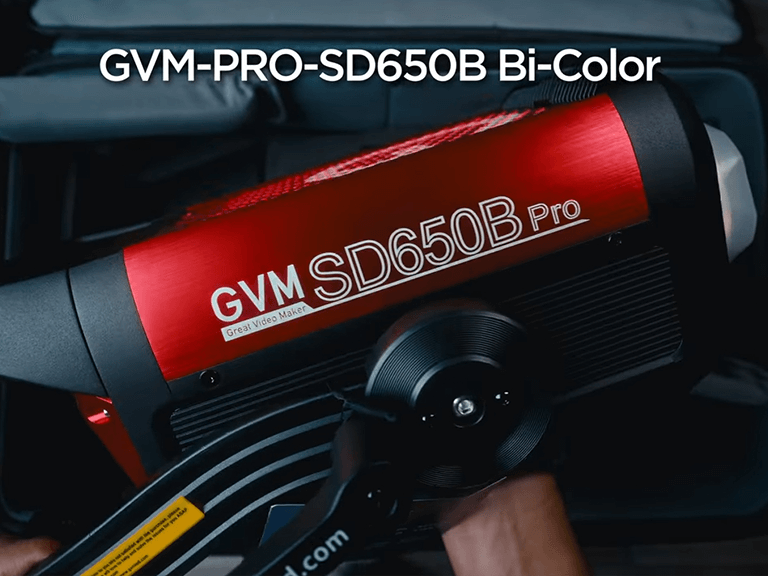
Lighting is arguably the single most powerful visual element in filmmaking. It shapes how viewers perceive a scene emotionally, spatially, and narratively. Poor lighting can make even the best camera gear look amateur, while exceptional cinematic lighting can make a smartphone shot look like a feature film.
Light defines mood. A warm, soft glow suggests safety and intimacy. Harsh, cold shadows signal tension or danger. Beyond emotion, lighting communicates time of day, location, and character psychology — all without a single word of dialogue.
Cinematographers often say that the camera records light, not images. That mindset shift is essential. When you start treating light as your primary creative tool, your filmmaking immediately levels up. Whether you’re shooting a short film, a YouTube video, or a music video, mastering cinematic lighting is the fastest way to look more professional.
How to Make Lighting Look Cinematic?
Making lighting look cinematic comes down to three core principles: contrast, direction, and motivation.
Contrast refers to the ratio between the brightest and darkest areas of your frame. Cinematic footage typically has a higher contrast ratio than flat, evenly lit video. Don’t be afraid of shadows — they add dimension and drama.
Direction matters enormously. Side lighting sculpts facial features and adds depth. Backlight creates separation between your subject and background, giving that classic “film look.” Avoid flat, front-facing light from on-camera sources whenever possible.
Motivation means your light source should feel believable within the scene. A lamp in the corner, sunlight through a window, or a neon sign outside — motivated lighting tells the audience where the light is coming from, which makes the scene feel real and immersive.
On a budget, a single LED panel combined with a reflector and a diffuser (even a white bedsheet) can produce stunning cinematic lighting. The tools matter less than understanding how to use them.
Different Types of Lighting in Cinematography
Understanding the types of light used in cinematography helps you make intentional choices:
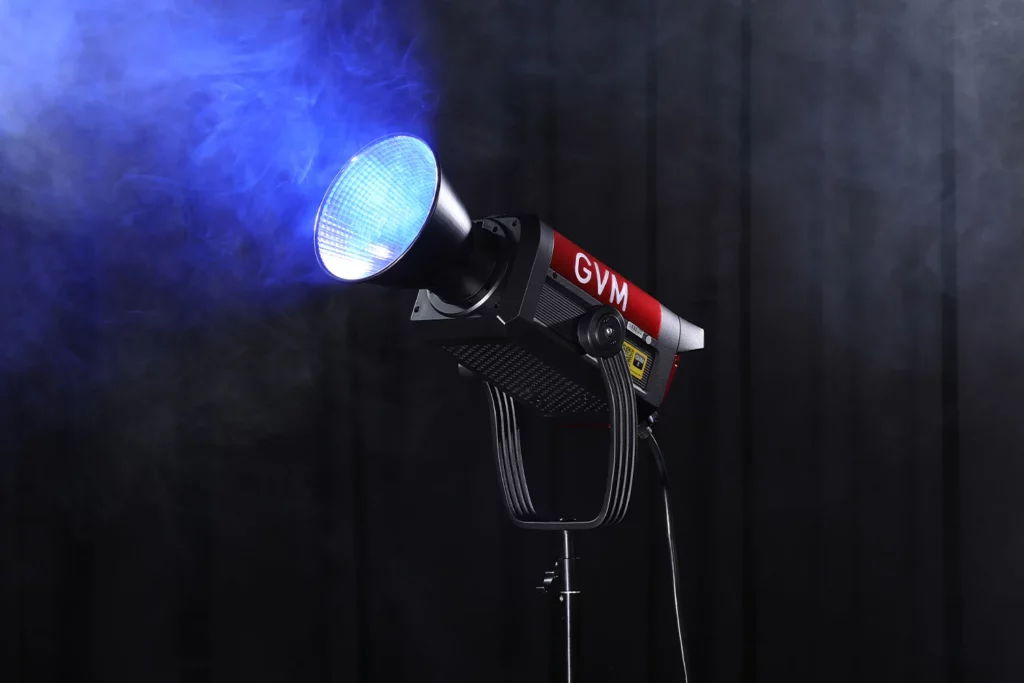
Luce principale — The primary and dominant light source in a scene. It defines the overall exposure and direction of light falling on your subject. This is the most powerful light in your setup.
Luce di riempimento — Placed opposite the key light, the fill reduces shadow density without eliminating it. It controls contrast. A lower fill means deeper shadows and a more dramatic look; a higher fill gives a softer, more commercial feel.
Back Light (Hair Light/Rim Light) — Placed behind the subject, this creates a subtle glow around the edges, separating the subject from the background and adding a three-dimensional quality.
Practical Lights — These are visible light sources within the frame: lamps, candles, monitors, neon signs. They add realism and depth, and on a budget they’re incredibly effective.
Ambient/Available Light — The natural or existing light in an environment. Learning to work with and shape available light is one of the most valuable budget filmmaking skills.
Cinematic Lighting Techniques With Examples
Here are specific techniques used by professional cinematographers that you can replicate affordably:
1. Three-Point Lighting The foundation of most professional setups. Combine a key light, fill light, and back light to create a fully rounded, three-dimensional look. This technique is used in interviews, narrative scenes, and product videos alike.
2. Rembrandt Lighting Named after the Dutch painter, this technique places the key light at roughly 45 degrees to the side and slightly above the subject. The result is a small triangle of light on the shadowed cheek — a classic, dramatic portrait look. Achievable with a single light source.
3. Window/Natural Light Position your subject beside a large window and use a reflector or white foam board on the opposite side. This mimics an expensive softbox setup and produces beautiful, soft cinematic lighting with zero budget.
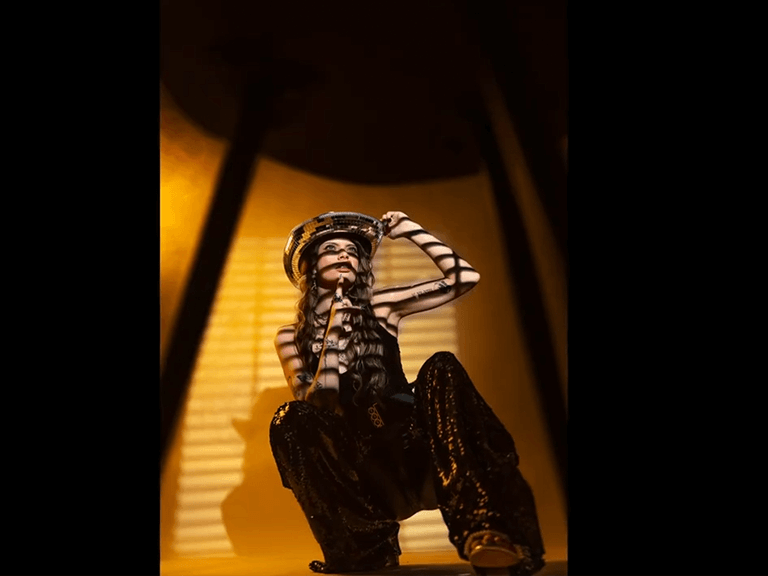
4. Practical-Only Lighting Challenge yourself to light a scene using only practicals — lamps, candles, fairy lights, phone screens. Films like Blade Runner 2049 e Barry Lyndon used this approach to stunning effect. It forces creativity and results in deeply atmospheric footage.
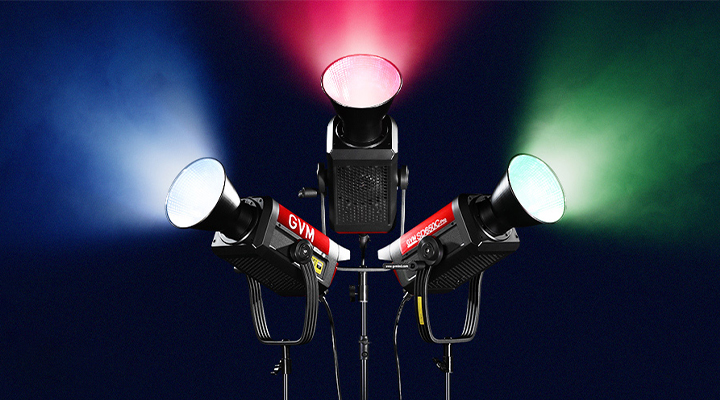
5. Colored Gels and LED RGB Lights Attach colored gels to your lights or use affordable RGB LED strips to create stylized cinematic lighting. A blue backlight against warm key lighting is a classic, visually striking combination seen in countless films and TV productions.

Cinematic Lighting Tips
Before you wrap, here are actionable tips to immediately improve your cinematic lighting:
- Shoot during golden hour. The hour after sunrise and before sunset offers naturally cinematic, warm, directional light — completely free.
- Diffuse everything. Hard light from bare bulbs rarely looks cinematic. Use shower curtains, white fabric, or paper lanterns to soften your sources.
- Control your background. A well-lit subject against a poorly lit background kills the cinematic feel. Add depth with a subtle backlight or a practical element in the distance.
- Underexpose slightly. Cinematic images often sit just below “correct” exposure. Slightly darker images with rich shadows tend to feel more filmic.
- Use flags and blockers. Black foam boards or cardboard can block spill light, sharpen shadows, and give you precise control over where your light falls.
- Study films you love. Pause scenes and analyze where the light is coming from, the contrast ratio, and the color temperature. Your eye will train itself over time.
Cinematic lighting is a skill that compounds with practice. Start with one technique, master it, then add another. With intention and creativity, even the most modest setup can produce footage that rivals productions with far bigger budgets. Light is free — learn to use it.