Luce naturale è forse l'elemento più fondamentale della fotografia, eppure il dibattito tra l'uso dei raggi solari e delle attrezzature controllate da studio continua a plasmare il settore. Per ogni fotografo che giura sul morbido bagliore dell'ora d'oro, c'è un direttore della fotografia professionista che si affida alla precisione delle fonti artificiali. Capire le sfumature di luce naturale La fotografia con luce artificiale è essenziale per qualsiasi creatore che desideri padroneggiare la propria arte e produrre contenuti visivi di alta qualità.
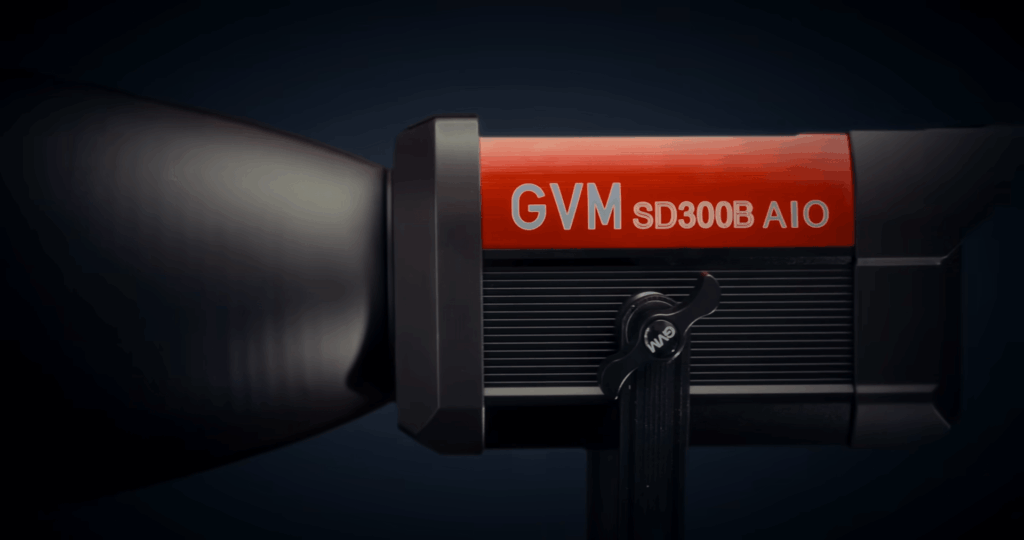
In questa guida completa, esploreremo le definizioni, le impostazioni e i suggerimenti per entrambi gli stili di illuminazione, e introdurremo come strumenti professionali moderni come GVM SD300B AIO può colmare il divario tra questi due mondi.
Che cos'è la luce naturale in fotografia?
Nel mondo dell'imaging, luce naturale si riferisce a qualsiasi fonte di luce che si verifica senza intervento umano. La fonte più ovvia e potente è il sole, ma anche la luna e le stelle contribuiscono a questa categoria. In senso più ampio, la “luce disponibile” o la “luce ambientale” che si trova all'aperto è considerata naturale.
I fotografi gravitano verso luce naturale a causa della sua qualità organica. Può variare dalla luce dura e ad alto contrasto di mezzogiorno all'illuminazione morbida e diffusa di una giornata nuvolosa. Uno dei momenti più ricercati è il “Golden Hour”, il periodo subito dopo l'alba o prima del tramonto, dove la luce è calda, direzionale e incredibilmente lusinghiera per i toni della pelle.
Tuttavia, la sfida principale di luce naturale è la sua imprevedibilità. Una nuvola di passaggio può cambiare la tua esposizione in pochi secondi, e una volta che il sole tramonta, la tua principale fonte di luce scompare. È qui che la transizione a soluzioni artificiali diventa necessaria per flussi di lavoro professionali.
Fotografia con luce naturale Definizione
Per fornire una precisa La fotografia con luce naturale si riferisce all'uso della luce predominante non artificiale, come la luce del sole o la luce diurna, per illuminare un soggetto durante uno scatto fotografico., dobbiamo vederlo come la pratica di utilizzare la luce prodotta dalla natura per illuminare un soggetto. A differenza degli allestimenti in studio, l'illuminazione naturale richiede al fotografo di adattarsi all'ambiente piuttosto che forzare l'ambiente ad adattarsi a lui.
La bellezza di questa definizione risiede nella sua semplicità. Non richiede attrezzature costose, ma solo la comprensione di come la luce si muove, riflette e cambia colore durante il giorno. Che si tratti di un ritratto illuminato dalla finestra o di un paesaggio grandangolare, l'obiettivo è catturare il mondo così come appare all'occhio nudo.
Cos'è la fotografia con luce artificiale?
La fotografia con luce artificiale prevede l'uso di sorgenti luminose artificiali per illuminare una scena. Ciò include tutto, dal flash integrato di una fotocamera alle luci video a LED di livello professionale, agli stroboscopi e ai tubi fluorescenti.
Il vantaggio principale della luce artificiale è il controllo totale. A differenza del sole, una fonte di luce artificiale non si muove nel cielo né si nasconde dietro le nuvole. Puoi controllare l'intensità, la direzione, la temperatura del colore e la qualità (dura vs morbida) della luce in qualsiasi momento del giorno o della notte. Per lavori commerciali, fotografia di prodotti e filmmaking di alta gamma, la luce artificiale è indispensabile perché garantisce coerenza tra scatti o riprese multiple.
Impostazioni fotografiche con luce artificiale
Quando ci si allontana da luce naturale, le impostazioni della tua fotocamera devono essere regolate per tenere conto dell'output specifico della tua attrezzatura. Padroneggiare le impostazioni di fotografia con luce artificiale implica un bilanciamento tra tre pilastri fondamentali:
- Velocità dell'otturatoreIn molte configurazioni artificiali, specialmente con i LED, è necessario assicurarsi che la velocità dell'otturatore non causi sfarfallio (sebbene luci di alta qualità come le GVM SD300B siano prive di sfarfallio).
- ISOCon potenti luci artificiali, puoi mantenere basso il tuo ISO (ad esempio, ISO 100 o 200) per garantire l'immagine più pulita possibile senza rumore digitale.
- Bilanciamento del bianco (Kelvin): Questo è cruciale. Le luci artificiali hanno diverse “temperature”. La maggior parte delle luci LED professionali consente di regolare la scala Kelvin per abbinare la luce ambientale o creare un'atmosfera specifica.
Per i creatori che hanno bisogno di replicare l'aspetto di luce naturale mantenendo il controllo di uno studio, le soluzioni LED professionali sono lo standard di riferimento.
Professional Spotlight: GVM SD300B AIO 300W Bi-color LED Video Light
Per ottenere risultati professionali che imitino la bellezza di luce naturale con l'affidabilità delle fonti artificiali, il GVM SD300B AIO è una scelta leader del settore. Questa luce bicolore da 300W è progettata per i creatori che richiedono alta potenza e precisione del colore.
Panoramica del prodotto
Il GVM SD300B AIO è una luce video LED bicolore da 300W progettata per creatori in movimento. Combina portabilità, alta resa cromatica e molteplici funzioni per fornire una riproduzione dei colori realistica per la produzione cinematografica professionale e la creazione di contenuti.
Specifiche chiave
| Parametro | Specifiche |
| Modello | GVM SD300B AIO |
| Potenza | 300W |
| Luminosità | 221.950 Lux @ 1 metro (con riflettore standard) |
| Temperatura del colore | 2700K-6800K (bicolore regolabile continuamente) |
| Rendering del colore | CRI ≥ 97, TLCI ≥ 97 |
| Oscuramento | Dimmerazione continua |
| Effetti di luce | 12 effetti integrati |
| Controllo | Controllo remoto tramite app, supporto per collegamento di più luci |
| Utenti target | Creatori di contenuti per dispositivi mobili, cineasti professionisti |
Accessori compatibili
| Accessorio | Modello | Scopo |
| Softbox a distribuzione rapida | GVM Quick Deploy Softbox (24″) | Ammorbidisce la luce, crea effetti di illuminazione |
| Attacco a proiezione | Attacco di proiezione GVM CXT36 | Crea schemi di luce speciali |
| Lente di Fresnel | GVM F40 Fresnel per attacco Bowens | Focalizza la luce, controlla l'angolo del fascio |
| Softbox a lanterna | GVM DL65R Softbox a Lanterna (26″) | Crea una luce soffusa omnidirezionale |
La GVM SD300B AIO si distingue per il suo CRI & TLCI 97+ valutazione, garantendo che le tonalità della pelle appaiano naturali come sotto il sole. L'ampio intervallo di temperatura del colore (2700K-6800K) ti consente di abbinare il bagliore caldo di un tramonto o l'azzurro freddo di un pomeriggio nuvoloso con una semplice rotazione di una manopola.
Consigli per la fotografia con luce naturale
Mentre la luce artificiale offre controllo, padroneggiare luce naturale è un'abilità che ogni fotografo dovrebbe possedere. Ecco alcuni consigli essenziali per sfruttare al meglio il sole:
- Usa la luce della finestra: Una grande finestra è uno dei migliori softbox disponibili. Posiziona il tuo soggetto con un angolo di 45 gradi rispetto alla finestra per ottenere la classica illuminazione “Rembrandt” che aggiunge profondità e drammaticità ai ritratti.
- Abbraccia le nuvoleMolti principianti pensano che sia necessario un sole splendente. In realtà, le nuvole agiscono come un gigantesco diffusore naturale, eliminando ombre dure e rendendo molto più facile fotografare le persone senza che strizzino gli occhi.
- Porta un riflettoreSe il luce naturale è troppo direzionale, usa un semplice riflettore bianco o argento per “rimbalzare” la luce nelle ombre del viso del tuo soggetto.
- Cronometra i tuoi scattiPianifica le tue sessioni all'aperto durante l“”Ora Blu“ (appena prima dell'alba/dopo il tramonto) o l”“Ora d'Oro” per ottenere i risultati più cinematografici. Evita il sole di mezzogiorno, che crea "occhi da procione" con ombre marcate sotto le sopracciglia.
- RetroilluminazionePosiziona il sole dietro il tuo soggetto per creare un “rim light” o effetto alone. Questo separa il soggetto dallo sfondo e aggiunge una sensazione magica e ariosa all'immagine.
Conclusione: Bilanciare Entrambi i Mondi
La scelta tra luce naturale E la fotografia con luce artificiale non deve essere una decisione “aut aut”. I fotografi e i videomaker di maggior successo utilizzano un approccio ibrido. Possono usare il sole come fonte primaria (luce chiave) e utilizzare uno strumento come il GVM SD300B AIO come luce di riempimento per alleggerire le ombre e mantenere una coerenza cromatica professionale.
Comprendendo la definizione di luce naturale, padroneggiando le impostazioni delle apparecchiature artificiali e utilizzando strumenti ad alto CRI, puoi assicurarti che la tua narrazione visiva non sia mai limitata dall'ora del giorno o dalle condizioni atmosferiche. Che tu sia un professionista del cinema, uno streamer live o un appassionato di fotografia, la luce giusta, naturale o artificiale, è la chiave per sbloccare il tuo potenziale creativo.