写真撮影用の連続LED照明 2026年には、かつてスタジオの王様だったストロボを凌駕してリードを奪いました。リアルタイムで影とハイライトを確認できる「見たままが得られる」という強力な要因は、現代のクリエイターにとって見過ごせないほど価値があります。.
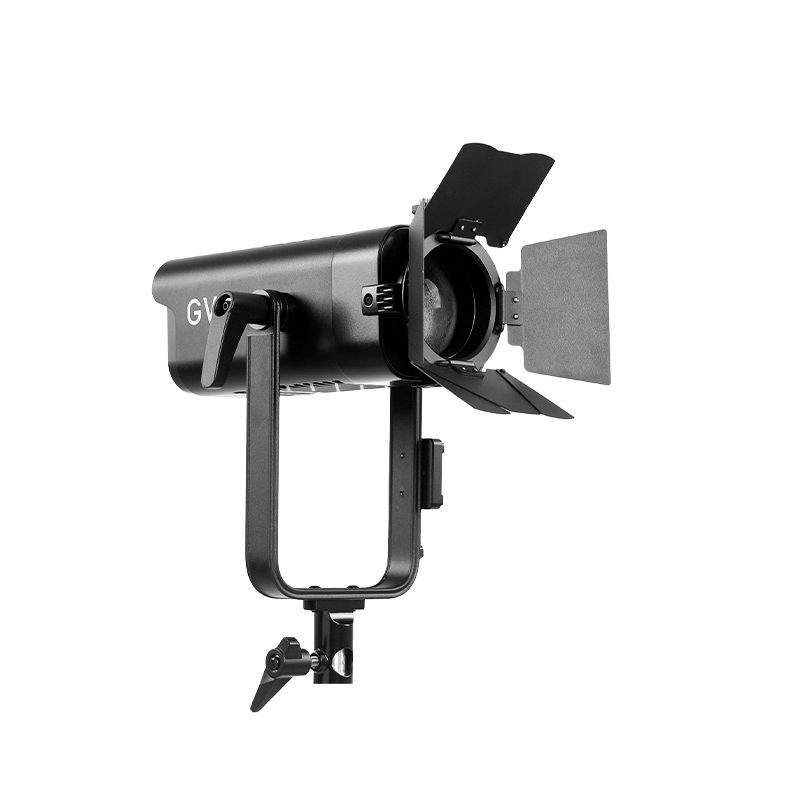
この比較では、業界の大手である〇〇のような、6つの異なる照明ソリューションの内訳をまとめました。 連続光絞り モデルから、~のような精密なイノベーターへ GVM PF100B.
目次
写真における連続光とは
スタジオには初めていらっしゃる方は、次のようなことを聞かれるかもしれません。 写真における連続光とは フラッシュやストロボが短い光のバーストを発するのとは異なり、連続ライトは常に点灯しています。.
長年、これらの照明は、熱く、電力消費の多いタングステン電球でした。今日では、高効率のLEDとなっています。これにより、写真家はシャッターを切る前に最終的なショットを可視化できるため、ポートレート、商品撮影、そして特に同じセッションでビデオ撮影と写真撮影の両方を行うハイブリッドクリエイターにとって理想的です。.
写真用連続LED照明
検索を開始するとき 写真用連続LED照明, 市場は、COB(Chip on Board)スポットライト、LEDパネル、フォーカシングフレネルライトのいくつかのカテゴリーに分かれています。それぞれに得意な分野がありますが、シーンの雰囲気をコントロールする必要がある写真家にとっては、フォーカシングスポットライトが標準となります。.
フィールドテスト:実力を証明するための電力投入
これらを真に理解するには 写真用連続LED照明 ソリューションが仕様書以上の性能を発揮することを確認するため、スタジオで標準化されたベンチマークテストを実施しました。.
セットアップ:
モデルを光源から正確に6フィート離して配置し、典型的なポートレート環境をシミュレートしました。次に、カメラをベースライン設定に構成しました。 ISO 800、シャッタースピード 1/250秒、絞り f/5. この固定された位置から、各ライトを最低および最高の両方の出力設定で動作させた比較撮影を複数枚行いました。.
最近のテストでは、 GVM PF100B このカテゴリーで際立ったパフォーマンスを発揮しました。あらゆる方向に光を「投げる」だけの従来のライトとは異なり、PF100Bは精密機器として設計されています。プロフェッショナルなセットアップにおいて、3つの特定の役割を担うように設計されています。
- メインライト(キーライト) ポートレートでの柔らかく自然な減衰を提供.
- バックライト 被写体を背景から分離すること.
- 輪郭光(リムライト) 被写体の輪郭を強調するのに、その焦点合わせ能力を使って。.
製品紹介: GVM PF100B バイカラー フォーカシングLEDスポットライト
GVM PF100Bは、映画、写真、ハイエンドスタジオ制作のために特別に設計されたプロフェッショナルなバイカラーフォーカシングライトです。従来のLEDの最大の課題であった、ビーム角度の制御不足を解決します。内蔵の光学フレネルレンズにより、外部アクセサリーを交換することなく、シャープな「スポット」からワイドな「フラッド」まで光を調整できます。.
GVM PF100B 技術仕様
| 機能 | 仕様 |
| モデル | GVM PF100B |
| ライトタイプ | バイカラーLEDスポットライト |
| 色温度 | 2700K~6800K(調節可能) |
| ビーム角 | 15°~45°(内蔵光学フレネル) |
| 調光 | 0~100%(1000段階のスムーズな調光) |
| CRI / TLCI | 96以上 / 97以上 |
| 冷却 | インテリジェント静音ファンシステム |
| 制御方法 | パネル内、リモート、DMX、Sidus Link/アプリ |
| アプリケーション | 映像、ポートレート、インタビュー、ライブスタジオ |
連続光絞り
高級品について話すとき 写真用連続LED照明, 、ブランド アプチャー 専門家によってしばしば最初に挙げられるのは、彼らの製品です。彼らは、その圧倒的なパワーと堅牢なビルド品質で評価を確立しています。彼らのラインナップの中で最も有名なモデルの一つは アプチャー LS 300d II.
ヘビー級: Aputure LS 300d II
LS 300d IIは、300Wの日光バランス(5600K)の点光源ランプです。ユーザーからの膨大なフィードバックを基に設計されており、前モデルよりも20%明るく、耐久性も向上しています。.
- 大量出力 フレネル 2X モディファイアと組み合わせると、300d Mark II は 1 メートルで 80,000 ルクス以上の出力が可能になり、これは 575W HMI の輝度に迫るものです。.
- ビルドクオリティ 360º回転するハンドブレーキロッキングヨークと、ミリタログレードのパラコードストラップを備えた、静音性の高いアルミニウム合金製コントロールボックスを搭載しています。.
- 制限 300d IIは「昼光色のみ」のライトです。非常にパワフルですが、バイカラーライトのような柔軟性はありません。タングステン系の暖かい環境光がある部屋で撮影する場合、色温度を合わせるためにオレンジ色のジェルを手動でクリップで留める必要があります。さらに、フォーカシングや「スポット」機能を必要とする場合は、別途Fresnel 2XまたはSpotlight Maxアクセサリーを購入して持ち運ぶ必要があります。.
結果
全体的に、この比較にあるほとんどのライトは、その6フィートの距離から同程度の有効電力を生成しました。しかし、生の強度という点では、際立った2つのライトがありました。
- アリ 300 レガシー・タングステンならではの紛れもないパンチ力で、スタジオの空気を切り裂き、圧倒的な強さを放っていた。.
- 蛍光灯の影響 キットも予想以上に良好な性能を発揮し、よりコンパクトないくつかのLEDよりもはるかに高い出力を得られました。.
〜の間 アプチャー LS 300d II そして GVM PF100B 十分な明るさでクリーンな露出を実現できるだけでなく、今回のテストでは、純粋な光量だけでなく、特にGVMの、まさに必要とされる場所に、そのパワーを正確に集中させる能力が、ビームの品質と一貫性において真価を発揮しました。.
写真撮影に最適なポータブル連続ライト
常にスタジオにいるとは限らない写真家にとって、見つけるのは 写真撮影に最適なポータブル連続ライト 優先事項です。携帯性とは、単に重さのことだけではありません。「アクセサリーのエコシステム」が重要です。ライトが軽量でも、機能するために10ポンドの外部レンズが必要な場合、それは真に携帯性があるとは言えません。.
私の6つの異なるライトのテストで、競争がどのように集計されたかをご紹介します。
GVM PF100B(多用途性チャンピオン)
GVM PF100Bは、なぜなら~により携帯性で優位に立っています。 フォーカシングレンズはヘッドに直接組み込まれています. ダイヤルをひねるだけで、ドラマチックなリムライト用の15°のタイトスポットから、ソフトなポートレートのキーライト用の45°のワイドフラッドまで、移行できます。バイカラー(2700K〜6800K)なので、カラーコレクション用のジェルキットを持ち運ぶ必要はありません。.
2. Aputure LS 300d II(パワフルなライト)
Aputureは非常にパワフルですが、大きめの「オールインワン」コントロールボックスが携帯性を損なっています。また、スタンドに取り付けるにはAputureクイックリリースプレートとクランプが必要です。バッテリー駆動にも対応していますが、ライト本体と必要なフレネルモディファイアを合わせた全体的なフットプリントは、「重い」携帯用オプションとなっています。.
3. 4灯型蛍光灯への影響
これはレガシーオプションです。ソフトボックスに4つの蛍光灯を使用します。きれいなソフトライトを提供しますが、携帯性は最も低いです。電球は壊れやすく、ライトを調光できません(個々の電球のオン/オフのみ可能)で、色の精度(CRI)はしばしば一貫性がありません。2026年現在、これはほとんど時代遅れと見なされています。.
4. Dracast バイカラー 400
これは標準的なLEDパネルです。薄型でバックパックに簡単に収まるため、「最もポータブル」の有力候補となります。しかし、光線を制御する機能は一切ありません。光はあらゆる方向に広がるため、大規模なフラッグやバーンドアなしでは、ドラマチックな影やリムライトを作成することは不可能です。.
5. Arri 300 (アナログタンク)
Arri 300はタングステンフレネルライトです。美しい光質と伝説的な堅牢性を備えています。しかし、LEDではありません。調理できるほど熱くなり、バッテリーでの駆動はできず、熱い状態でライトがぶつかると電球が割れやすいという欠点があります。ジェネレーターと耐熱グローブがなければ、「ポータブル」ライトとは言えません。.
6. アイスライト(ハンディワンド)
アイスライトは、携帯性を極限まで高めた照明器具です。ライトセーバーのような外観で、ライトペインティングやちょっとしたフィルライトに最適です。しかし、明るい部屋でメインの光源として使うにはパワー不足で、表面積が小さいため、100Wや300Wのヘッドに比べて影が硬めになります。.
徹底比較:6つのライトを一覧で
| ライトモデル | カテゴリ | ズーム/フォーカス | 色温度 | 利点 | コンズ |
| GVM PF100B | フォーカシングLED | 15°~45° 内蔵 | 2700K~6800K | 内蔵フレネル; より柔らかい減衰; 1000段階調光. | 300Wユニットよりも低い最大電力。. |
| アプチャー 300d II | COB LED | 外部のみ | 5600K(固定) | 驚異的なパワー;Sidus Linkアプリ;プロ仕様のビルド。. | 外部修飾子が必要、単色。. |
| アリ 300 | タングステン | 手ねじ | 3200K(固定) | 業界標準の光学系;美しい肌の色味。. | 危険なほど熱い; バッテリーオプションなし; 電力消費量が多い. |
| ドラキャスト 400 | LEDパネル | なし | 3200K~5600K | 非常にスリムで、セットアップが簡単です。. | ビーム制御なし。リムライティングには使いにくい。. |
| アイスライト | LEDワンド | なし | 5600K | 超ポータブル。携帯型。. | 低消費電力;非常に小さな光源。. |
| インパクト 4ソケット | CFL | なし | 5600K | とても手頃な価格で、ソフトボックス付きです。. | 壊れやすい;調光不可;プラスチック製. |
詳細なパフォーマンス分析:2026年にGVM PF100Bが選ばれる理由
これらの6つのライトの結果を見てみると、GVM PF100Bは、~があるわけではないので際立っています。 最も 力がありますが、それは持っているために 賢い 力.
より柔らかい光の減衰とホットスポットなし
高出力COBライトの大きな問題の一つは 連続光絞り 300d IIは、その生のチップが非常に厳しい「点光源」を生み出します。巨大なソフトボックスを装着しない限り、影はギザギザになり、ビームの中心にしばしば「ホットスポット」が発生します。.
GVM PF100Bは、内蔵のフレネルレンズを使用して、より柔らかく自然な光を提供します。ポートレートテストでは、GVMを使用した方が、むき出しのCOBライトを使用した場合よりも、被写体の顔のハイライトからシャドウへの移行がはるかにスムーズでした。.
1000段階調光精度
ほとんどのLEDでは、1%単位(100段階)で調光が可能です。 これだけでも十分のように思えますが、ISO 100でf/1.2やf/1.4のような大口径レンズを使用して撮影する場合、1%の明るさでもまだ明るすぎる場合があります。GVM PF100Bは、以下の機能を備えています。 1000段階連続調光. これにより、部屋の ambient moonlight と完全にバランスを取るために必要な、正確なミリルーメンに光を微調整することができました。.
ズーム範囲全体での一貫した出力
安価なフォーカシングライトによくある欠点は、「スポット」から「フラッド」に切り替えるときに色温度が変化することです。GVM PF100Bは、その全体を通して一貫した色と強度を維持します。 15°~45°の範囲. タイトなリムライトとしても、ワイドなキーライトとしても使用しましたが、肌の色合いは全く同じでした。.
結論:どのライトを買うべきか?
適切な選択 写真用連続LED照明 お客様の具体的なニーズによりますが、2026年のトレンドは明確です。.
- Aputure LS 300d II を購入すべき場合: 大規模な撮影現場で作業し、機材を運ぶスタッフがいて、「太陽を凌駕する」ほどの光量や、巨大な倉庫を照らす必要がある場合。その圧倒的なパワーは否定できません。.
- アイスライトを購入すべき場合: 結婚式の披露宴で、暗い会場で手持ちのフィルライトが少しだけ必要なウェディングフォトグラファーです。.
- GVM PF100B を購入すべき場合: プロの写真家または小規模な制作チームとして、~が必要な 写真撮影に最適なポータブル連続ライト. メインライト、バックライト、コンターライトとして機能する能力は、内蔵フォーカス機能、バイカラーの柔軟性、1000段階の調光機能と相まって、このリストの中で最も革新的で費用対効果の高いツールとなっています。.
写真の世界では、力任せよりもコントロールが重要です。GVM PF100Bは、コンパクトで耐久性があり、インテリジェントなパッケージでそのコントロールを提供します。.
スタジオプロダクションを革新する準備はできましたか? GVM PF100Bシリーズを探索し、精密照明の力を発見してください。.