Understanding photography lighting for beginners can be the difference between a flat, grainy snapshot and a masterpiece with depth and texture.Stepping into the world of photography is an exciting journey, but many new creators quickly realize that a high-end camera is only half the battle. The secret to professional-looking images isn’t just the lens—it’s the light.
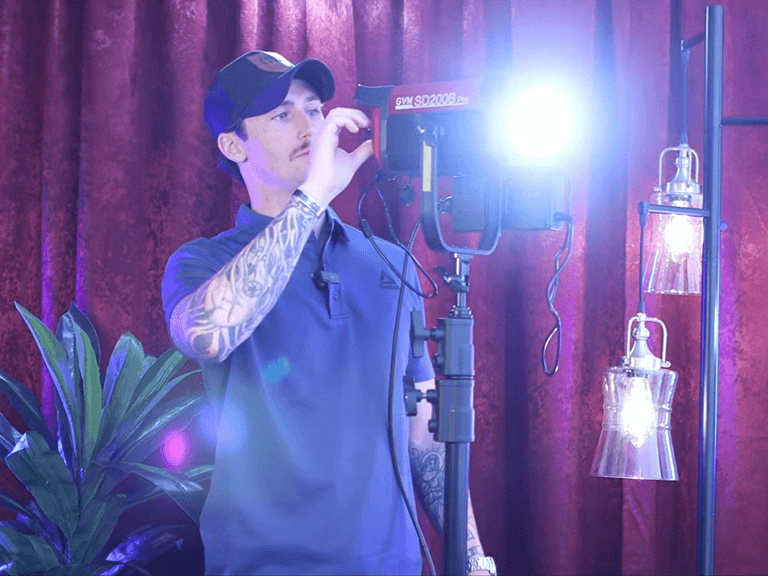
Whether you are shooting portraits, products, or creative still life, mastering light is your most powerful skill. In this guide, we will explore the best indoor and outdoor strategies and highlight the top 3 lighting kits to kickstart your journey.
Indoor Photography Lighting for Beginners
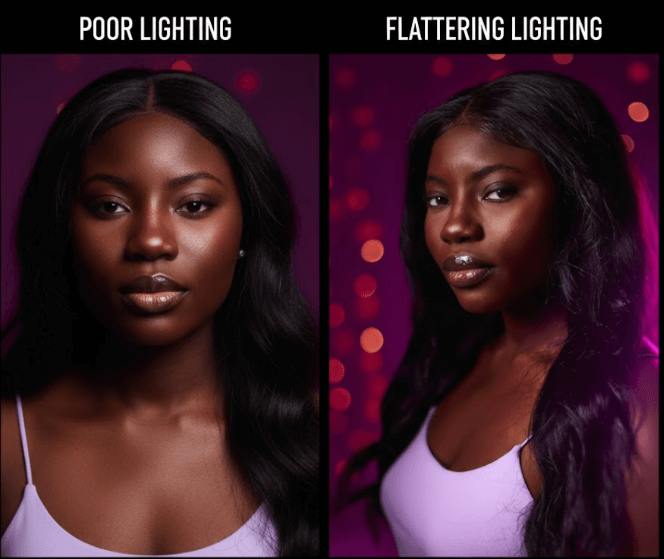
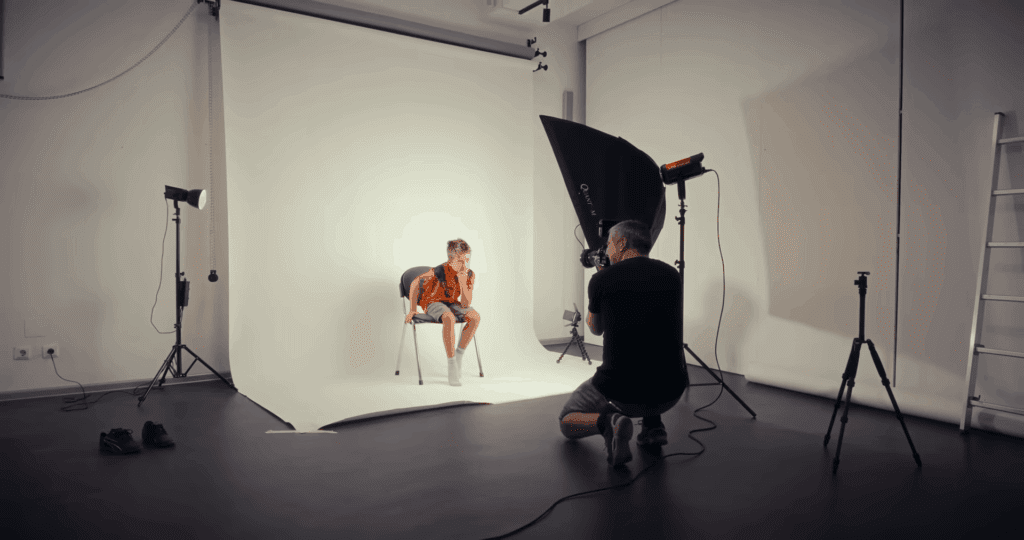
When you move your shoot indoors, you gain total control over your environment, but you also lose the abundance of the sun. For a beginner, the goal of indoor lighting is to mimic the soft, natural feel of the outdoors while eliminating unflattering shadows.
The most important concept to learn is Light Direction.
- Front Lighting: Placing your light source directly in front of the subject. It minimizes shadows and is great for high-key beauty shots but can look “flat.”
- Side Lighting: Placing the light at a 45-degree or 90-degree angle. This creates shadows that reveal the texture and shape of your subject, which is essential for “cinematic” photography.
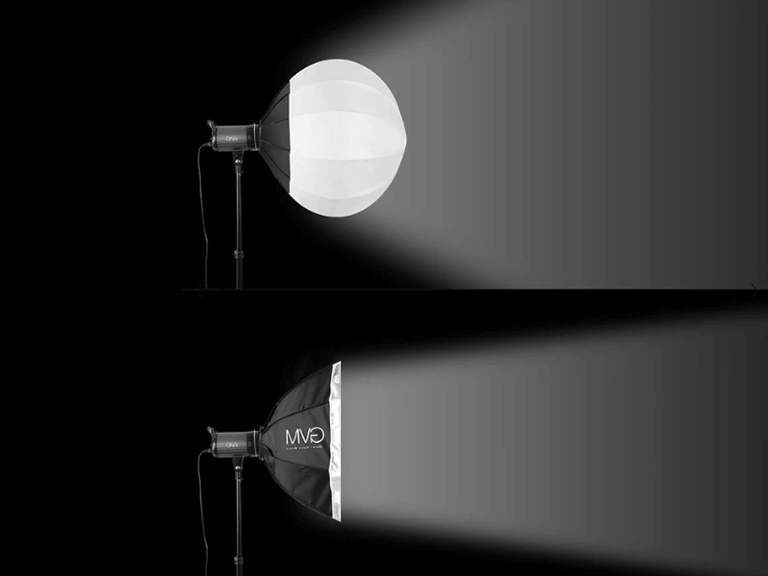
- ソフトライト対ハードライト: Beginners should aim for “soft light.” You can achieve this by placing a translucent material (like a softbox or a white sheet) between your light and your subject.
Natural Lighting Photography
Before buying expensive gear, every newcomer should master natural lighting photography. The sun is the most powerful and beautiful light source available, and it’s completely free.
- The Window Trick: A large, north-facing window is a beginner’s best friend. It provides consistent, soft, directional light throughout the day. Position your subject at a 45-degree angle to the window for a classic “Rembrandt” look.
- Golden Hour: The hour just after sunrise or just before sunset provides a warm, golden glow that is incredibly flattering for skin tones.
- Reflectors: Even in natural light setups, you may need gear. A simple 5-in-1 reflector is a staple of photography lighting for beginners. Use the white or silver side to bounce sunlight back into the shadows of your subject’s face.
Indoor Photography Lighting Equipment
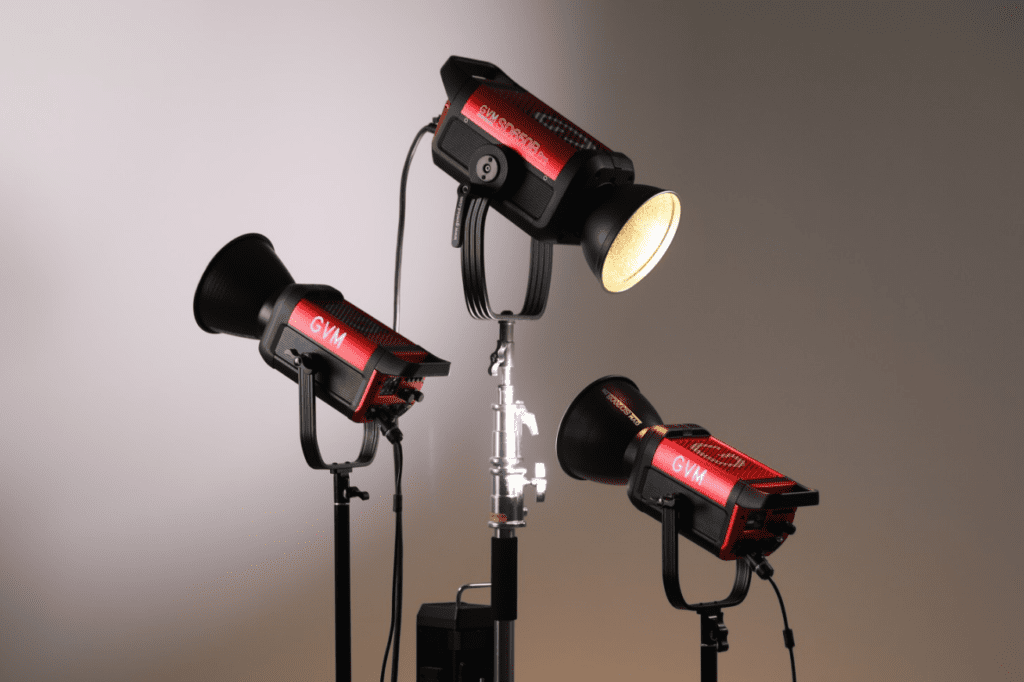
As you progress, you will want more consistency than the sun can provide. When looking at indoor photography lighting equipment, there are two main categories:
- Continuous Lighting (LEDs): These lights stay on all the time. They are the best photography lighting for beginners because “what you see is what you get.” You can adjust the light and see the shadows change in real-time before you press the shutter.
- Speedlights and Strobes (Flash): These emit a powerful burst of light. While they are harder to learn because you can’t see the effect until the photo is taken, they offer much more power and the ability to “freeze” fast motion.
- Light Modifiers: Never use a bare bulb. Equipment like umbrellas and softboxes are essential. An umbrella is the easiest to set up and provides a wide, soft beam of light, making it a perfect first purchase.
Outdoor Photography Settings
Shooting outdoors offers beautiful backgrounds, but the light changes constantly. To succeed, you must adjust your outdoor photography settings to match the sun’s intensity.
- Overcast Days: Don’t be afraid of clouds! A cloudy sky acts as a massive natural softbox. You may need to increase your ISO to 400 or 800 to maintain a fast shutter speed, but the light will be perfectly even.
- Mid-Day Sun: The harshest time to shoot. If you must shoot at noon, find a “shaded” area under a tree or building. This provides “Open Shade,” which keeps your subject bright but prevents the “raccoon eyes” caused by overhead sun.
- Aperture Control: When shooting outdoors, use a wide aperture (like f/2.8 or f/4) to blur the background. This helps your subject stand out, especially when the lighting is complex.
Lighting for Photography Beginners: Top 3 Recommendations
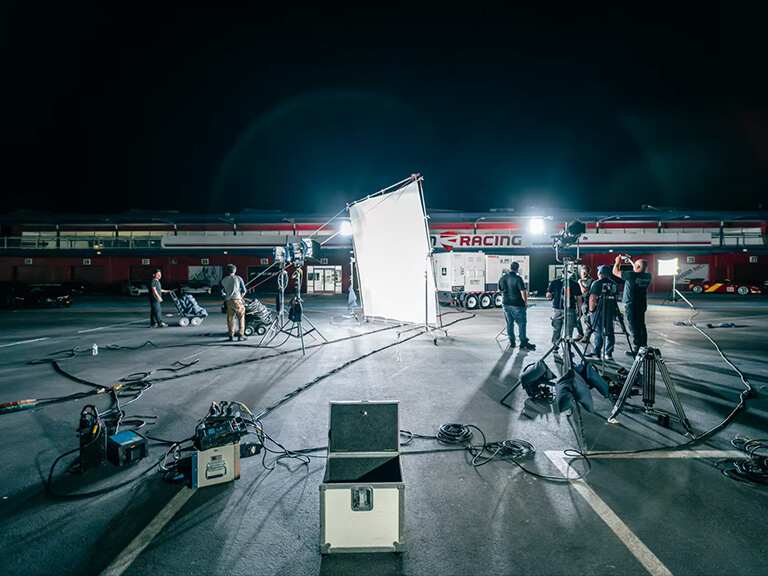
If you are ready to invest in your first kit, here are the Top 3 types of equipment that offer the best balance of price and performance for those just starting out:
1. The 5-in-1 Reflector Kit
This is the most underrated tool in a beginner’s bag. It doesn’t require batteries or cables. It allows you to manipulate natural light, fill in shadows, and even diffuse harsh sunlight. It is the most affordable way to instantly improve your image quality.
2. Double LED Softbox Kit (Continuous Light)
For indoor creators, a kit containing two LED panels and two softboxes is the gold standard. Since they are continuous lights, they are perfect for both photography and video. Look for “Bi-color” LEDs so you can adjust the warmth of the light to match your room’s atmosphere.
3. Portable Speedlight with a White Umbrella
If you want to master professional “Flash” photography, a single Speedlight (on-camera flash) paired with a wireless trigger and a white shoot-through umbrella is the ultimate portable studio. This setup allows you to create high-contrast, professional-grade portraits anywhere.
結論
マスターリング photography lighting for beginners is a process of learning to see light before you even pick up the camera. Start by observing how sunlight hits a room at different times of the day. Once you understand the basics of natural light, moving into indoor photography lighting equipment will feel much more intuitive.
Remember, the goal isn’t to have the most expensive gear; it’s to have the most control. Whether you’re using a window, a budget reflector, or a professional LED softbox, focus on how the light shapes your subject. With practice, you’ll find that great lighting is the true “magic” behind every great photograph.