シネマライトボックス そして シネマソフトボックス 2026年、ビジュアルストーリーテリングにおける最も重要な要素はテクノロジーが占めるでしょう。継続的なLEDシステムの急速な進歩により、ハイエンドな映像撮影とプロフェッショナルな写真撮影の境界線が曖昧になり続ける中、これらのライトモディファイヤーはデジタル革命の中心にあり続けます。ソフトライトをマスターし、洗練されたハイエンドなルックを実現したいクリエイターにとって、これらは不可欠なツールです。.
適切な選択 シネマライトボックス は、今日の競争の激しい市場でプロダクションバリューを向上させる鍵となります。経験豊富な撮影監督であろうと、プロのポートレート写真家であろうと、〜をマスターすることは シネマソフトボックス 急速に進化する映画・写真の世界で際立つためには、必要不可欠です。.
1. シネマソフトボックスとは何ですか?
1.1 コア定義
シネマソフトボックスは、光源(通常はCOB LEDや高出力ストロボ)にかぶせて使用する照明モディファイヤーです。その主な目的は、小さな電球やチップからの「硬い」光を、はるかに大きくて柔らかい表面面積に拡散することです。特殊な素材の層を光が通過することで、シネマライトボックスはきついホットスポットをなくし、自然光に似た輝きを生み出します。.
1.2 シネマ撮影と写真撮影のソフトボックスの違い
見た目は似ていますが、映画グレードのソフトボックスは設計が異なります。
- 熱管理: 数時間連続で稼働する高ワット数の定常光ライト用に設計されており、耐熱素材を使用しています。.
- 色の精度 肌の色調にとって重要な、緑やマゼンタのずれが発生しないように、「カラーニュートラル」なディフュージョンファブリックを使用してください。.
- 制御性 撮影現場での光漏れを防ぐため、写真撮影用の箱よりも奥行きがあることが多い。.
2. ソフトボックスの種類について:形状と構造
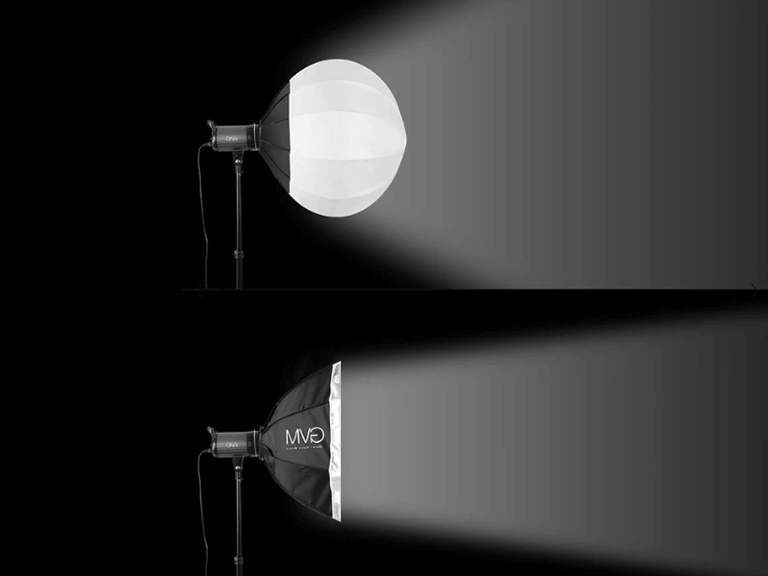
あなたの形 シネマライトボックス 被写体の目に映る「キャッチライト」の形や、光の「キャラクター」を決定づけます。.
2.1 形で
- 八角形ソフトボックス(オクタボックス) ポートレート撮影の定番。そのほぼ円形に近い形状は、太陽を思わせる自然で丸みのあるキャッチライトを瞳に映し出します。.
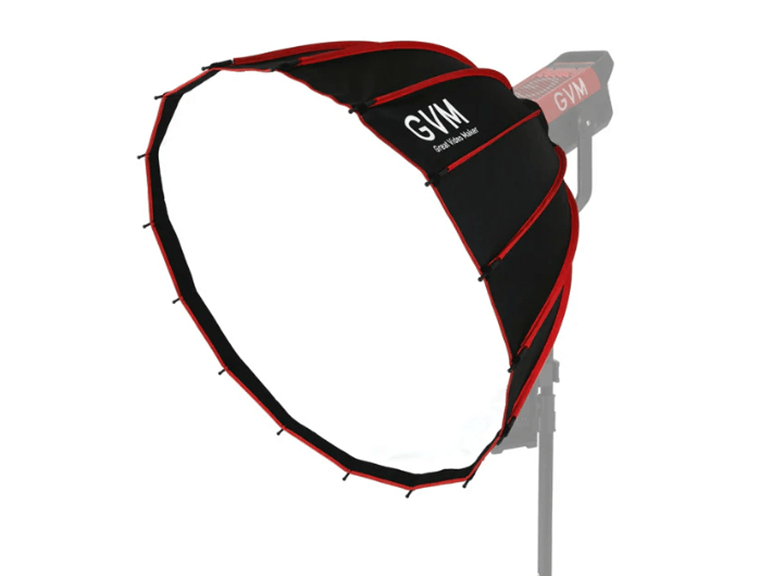
- パラボリックディープソフトボックス 「パンチー」でありながら柔らかい光で知られています。深いデザインは光をより指向性のあるものにし、端に向かって美しく滑らかに減衰します。.
- ストリップ/ストリップボックス: 長く細い。これらはリムライト、製品のエッジハイライト、またはドラマチックな「ノワール」ライティングの作成に不可欠です。.
- ソフトボックス(四角/長方形) 業界のワークホース。窓から差し込む光を完璧に再現し、インテリアシーンに最適です。.
2.2 構造別
- 折りたたみ式 2026年には、傘のような機構により数秒で設置できるため、ソロクリエイターやロケーション撮影に最適です。.
- フレーム取り付け スタジオで使用される、丈夫で頑丈なボックス。巨大な5フィートまたは7フィートのモディファイヤに究極の安定性を提供します。.
2.3 2026年テクノロジートレンド
今年の照明業界は、大きな変化を遂げています。
- マグネット式クイックマウントシステム ロッドをいじるのは忘れてください。マグネットでライトにフィルターを瞬時に取り付けられます。.
- スマートソフトボックス 2026年モデルの一部には、拡散密度に応じてCCT(色温度)を調整するためにライトと通信する統合センサーが搭載されています。.
- 超軽量複合材料 カーボンファイバー製のロッドがスチール製に取って代わり、ライトスタンドの重量を40%軽減しました。.
3. 主要仕様分析:注目すべき点
3.1 サイズと光の質
照明のゴールデンルールは: 光源が被写体に対して大きいほど、光は柔らかくなります。.
- 小さい(30〜60cm) Good for hair lights or small product shots.
- Medium (80-100cm): The “sweet spot” for single-person interviews.
- Large (120cm+): Required for full-body shots or groups.
3.2 Material and Build
- Double Diffusion: Look for boxes with both an internal and external baffle. This eliminates the “hotspot” in the center.
- Interior Lining: Silver linings maximize output and contrast, while White linings provide the ultimate softness with less “kick.”
3.3 Compatibility
Most modern cinema light boxes use the ボーエンズマウント, the industry standard. However, always check for proprietary mounts if you use brands like Aputure, Godox, or Nanlite, which may have specialized mini-mounts for their portable lines.
4. Best Cinema Softboxes 2026: Buying Guide
4.1 All-Round Choice: The 60–80cm Octabox
- 最適: Portraits, YouTube creators, and live streaming.
- なぜ It’s large enough to be soft but small enough for a home studio. Look for models that include a honeycomb grid as standard.
4.2 Professional Cinematic Choice: Parabolic Deep Softbox (90cm+)
- 最適: Commercials, music videos, and cinematic “mood” lighting.
- なぜ The depth allows you to “feather” the light, meaning you can light the subject without getting light on the background.
4.3 Portable On-Location Choice: Foldable Rectangle
- 最適: Run-and-gun documentaries and outdoor fill light.
- なぜ It mimics a window and packs down into a small carry bag.
4.4 Innovative Tech Choice: The “Smart” Softbox
- 最適: High-end studio workflows.
- なぜ Features app-controlled internal baffles that can adjust the spread of light without you having to touch the modifier.
5. Cinematic Lighting Setups
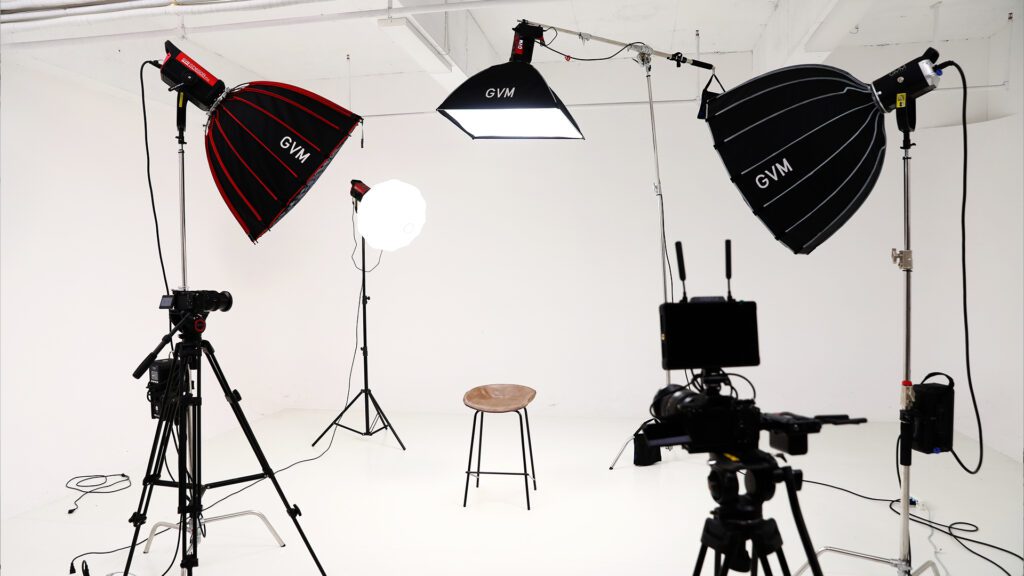
How you position your シネマライトボックス defines the story you are telling.
5.1 Single-Person Interview Setup
- キーライト Place an Octabox 45 degrees to the side and slightly above the subject’s eye level.
- フィルライト Use a Square softbox at low power or a reflector on the opposite side to soften shadows.
- Rim/Backlight: Use a Stripbox behind the subject to create a “halo” effect, separating them from the background.
5.2 Product/Still-Life Setup
Use a Parabolic softbox from above (Top Light) to create an even glow, and a Stripbox from the side to highlight the product’s texture and silhouette.
5.3 Scene Lighting Setup
In 2026, DP’s are “layering” light. Use a large Rectangular softbox to create a general “ambient” light for the room, then use smaller, gridded Octaboxes to “spotlight” specific actors.
6. Key Takeaways for 2026
6.1 Sizing Guidelines
To ensure professional results, follow the 1.5x Rule: The diameter of your softbox should be at least 1.5 times the width of the area you are lighting. For a human face, a 60cm box is plenty; for a group, you need 150cm+.
6.2 Essential Accessories
Never buy a cinema light box without a Honeycomb Grid (Egg Crate). This accessory attaches to the front and prevents light from “spilling” onto your background, keeping your image contrasty and cinematic.
6.3 Future-Proofing Tips
- Modular Systems: Invest in a system where the speed ring can be swapped. This allows you to use the same softbox if you switch light brands.
- Durability: In 2026, look for “rip-stop” fabrics. Cinema sets are high-traffic areas, and your gear needs to survive the grind.
結論
The right シネマライトボックス is more than just a piece of fabric; it is a tool that shapes the emotion of your visual content. By choosing the right shape, prioritizing color accuracy, and mastering 3-point lighting setups, you can elevate your photography and film from “amateur” to “cinematic” instantly.
As we look toward the future of lighting, remember: the tech may change, but the physics of soft light remains the same. Focus on size, distance, and control, and your images will always stand out.