もしあなたが〜を探しているなら 連続照明LEDの仕様書を2枚見比べて、どちらが明るいのかを解明しようとしたことがあるなら、おそらく一方には「」と書かれていることに気づいたかもしれません。 ルーメンそしてもう一方は ラックス. これらは同じ数値ではなく、決して互換性があるわけではありません。撮影に不適切な測定値を選んでしまうと、紙の上では明るく見えても、実際に撮影する距離では物足りないライトに$500を費やすことになりかねません。ここで、この点を明確にしておきましょう。.
目次
ラックスとは何ですか?ルーメンとは何ですか?
ルーメン (lm)測定する 合計光源が全方向に放出する可視光の量。それは、光の生の出力の尺度です。懐中電灯メーカーであれば、ルーメンが重要です。.
ルクス (lx)〜を測定する 特定の表面積に当たる光の量— 具体的には、平方メートルあたりのルーメンです。つまり、被写体に実際に届くのがルクスです。写真家や映像作家が選択する場合 連続照明, ラックスはあなたの番号です。.
関係は単純です: 1ルクス=1ルーメン毎平方メートル. ただし、ルーメンとは異なり、ルクスは距離とともに劇的に低下するという欠点があります。.
なぜ連続光ではルーメン(光量)がより重要なのか
作業をしているとき 連続照明スタジオでは、電球が四方八方にどれだけ光を放出するかは気にしません。気にすることは、1.5メートル離れた被写体にどれだけの光が当たるかです。それがルクス測定です。.
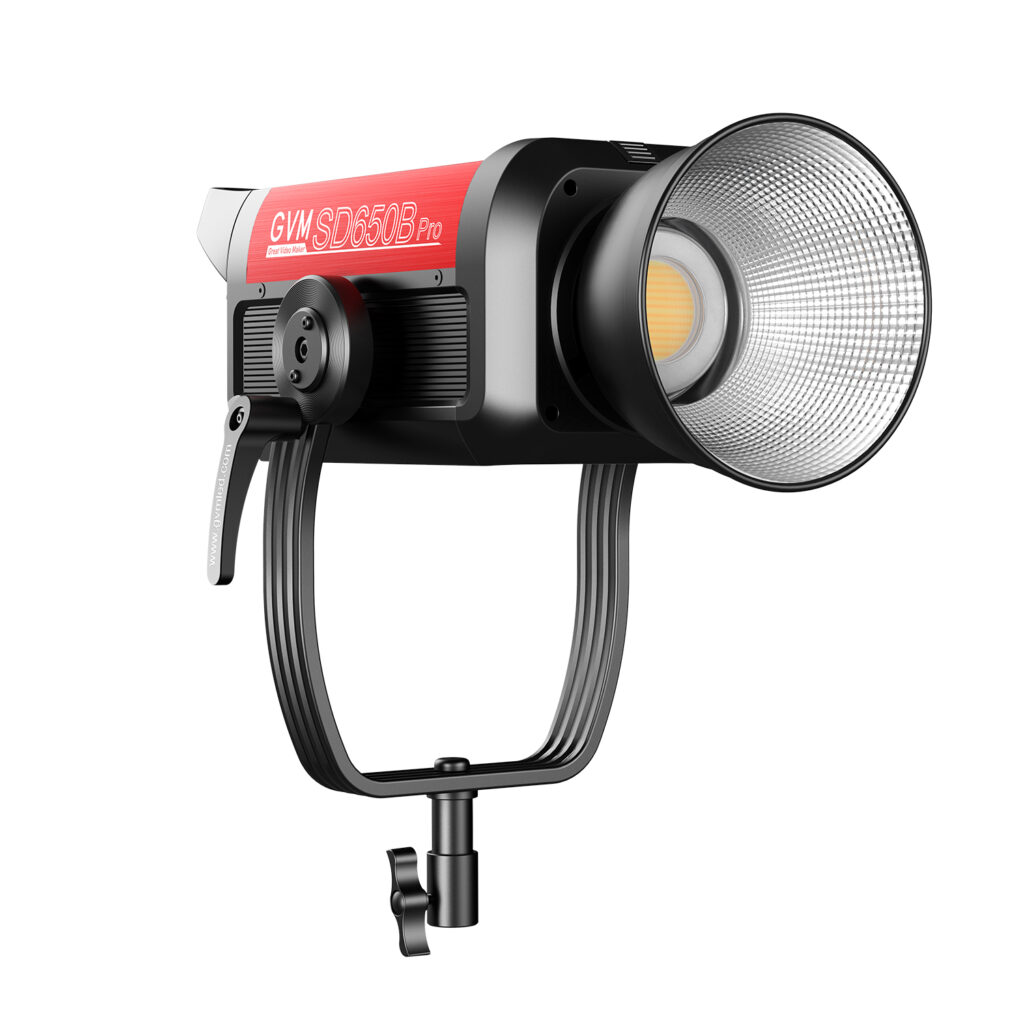
これもまた、2つの 連続ライト同じルーメン定格であっても、実際の使用では大きく異なる能力を発揮します。裸電球が360度光を放つと、その出力のほとんどは壁や天井に失われます。 連続照明反射板付きで GVM PRO SD650B標準のリフレクターを装備した状態で 81,300ルクス反射板なしの同じワット数ではそのうちのわずかな量しか得られないのに対し、1メートル離れた被写体から得られる量です。.
二つを比較すると 連続ライト 写真撮影においては、常に比較検討する 同じ距離での明るさ(1mは業界標準です)。ルーメンのみを引用する場合は、ラックス仕様を尋ねるか、取引を中止してください。.
連続照明セットアップのラックス (照度) の計算方法
逆二乗の法則とは、距離が2倍になるたびに 連続照明, 、対象のルクスが低下します 4分の1です。元の値の。たとえば、 連続照明1メートルの距離で40,000ルクスを測定しますが、実際の撮影距離では次のようになります。
| 距離 | Lux(1mの値を持つ%) | 約 1mで40,000ルクスの値 |
|---|---|---|
| 1メートル | 100% | 40,000ルクス |
| 2 m | 25% | 10,000 lux |
| 3 m | 11% | 4,400 lux |
| 4 m | 6.25% | 2,500 lux |
| 5 m | 4% | 1,600 lux |
So if you’re shooting a 3-person interview at 3 meters from your key 連続照明, that “40,000 lux spec” gives you just 4,400 lux on the subject. Now do you see why high-lux output matters? It’s the only way to get usable light at a real working distance.
Quick formula: Lux at distance D = Lux at 1m ÷ D² (where D is in meters).
連続光を使用したジャンル別のラックス要件
Different photography and video genres have very different lux needs when using 連続照明. Here’s what works in real shoots:
- Portrait (close, 1–2m): 5,000–20,000 lux on the subject. Most modern continuous LEDs handle this easily.
- Group photo / wider setup (3–4m): 15,000–50,000 lux at 1m on the 連続照明. The further the subject, the brighter the 連続照明 needs to be at the source.
- Product photography (close, 0.5–1m): 10,000–30,000 lux. You can stop down for depth of field.
- Video at 4K, 24fps, ISO 800: Around 2,000–5,000 lux on the subject is a comfortable range for low-noise footage.
- Large commercial sets (5m+): 80,000+ lux at 1m. This is where 500W+ continuous fixtures earn their keep.
The mistake I see most often: a creator buys a 100W panel 連続照明 with a “high lumen” rating and wonders why their group videos look dim and noisy. They needed a 連続照明 fixture with a much higher lux-at-1m rating, not a higher lumen count.
高ルーメン出力のベストな連続ライト
Below are two GVM 連続ライト that deliver serious lux output for studio and on-location work.
| モデル | 力 | Max Lux @ 1m | CRI/TLCI | 最高 |
|---|---|---|---|---|
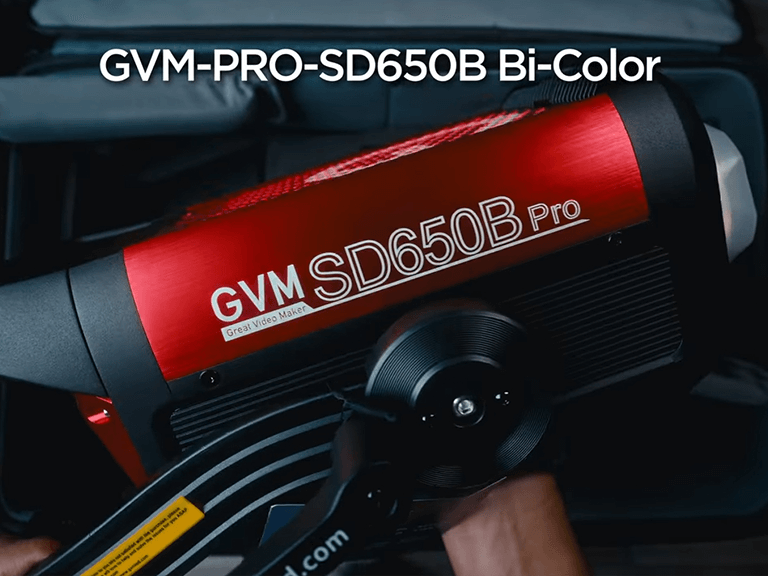
| GVM PRO SD650B | 650W | 81,300ルクス | 97+ | Studio interviews, large product sets, film lighting |
| GVM SD300B-AIO | 300 W | 221,950 lux | 97+ | On-location work needing maximum punch per kilogram |
について SD650B is the workhorse 連続照明 for studio shoots — 81,300 lux at 1m means usable light at 4+ meters without maxing out the dimmer. The SD300B-AIO is the engineering standout: 221,950 lux from a 300W 連続照明 fixture is exceptional, and it weighs a fraction of the bigger monolights, making it the right choice when you need serious output but can’t bring a 650W head. Both maintain 97+ color accuracy, so you don’t trade brightness for color quality.
ラックスが高品質の連続光を定義する理由
一番 連続ライト share one thing: they quote their output in lux at a specified distance, not just lumens. A high-quality 連続照明 like the GVM SD300B-AIO delivers 221,950 lux at 1 meter because its optical design concentrates that output where you need it — on your subject.
When you understand lux vs lumens, you stop comparing 連続ライト by wattage alone. You start comparing them by how much usable light they put on your subject at your working distance. That’s the difference between a well-lit set and a disappointing purchase.

FAQ-連続ライト
Are lumens or lux more important for continuous light photography?
Lux is what matters for 連続照明 photography. Lumens measure total light output, but lux tells you how much light actually reaches your subject. Always compare 連続ライト by their lux rating at 1 meter.
How many lumens do I need for a continuous light studio setup?
There’s no single answer because lumens don’t measure what reaches your subject. A more useful number: aim for a 連続照明 fixture that delivers at least 20,000 lux at 1 meter for a small studio, and 50,000+ lux at 1m for larger setups.
What is a good lux level for portraits with continuous light?
For portraits, around 5,000 to 20,000 lux on the subject’s face is a comfortable range. You’ll be working at distances of 1–2 meters, so a 200W–300W continuous LED at 1m spec of 30,000+ lux gives you plenty of headroom to dim down for soft, natural-looking light.
How does distance affect my continuous light output?
Lux from your 連続照明 drops with the square of the distance. Double the distance, you get one quarter of the lux. Triple the distance, you get one ninth. This is why high-lux 連続照明 fixtures at 1m are essential when you need to light subjects at 3+ meters.
Can I convert lumens to lux for a continuous light?
Not directly, because lux depends on the beam angle and distance. A 5,000-lumen 連続照明 in a tight 30° beam can deliver a very high lux at the center, while the same 5,000 lumens in a 120° flood will give a much lower lux reading. Always request the manufacturer’s lux-at-distance spec for fair comparison.