Today’s studio lights for videography are expected to do more than illuminate a scene. They need to move between studio and location, adapt to different power conditions, respond quickly during production, and remain practical as projects become more demanding.
A good image rarely begins with the camera.
More often, it begins with light—how it shapes a face, separates a subject from the background, or guides the viewer’s attention without ever drawing attention to itself. That’s why experienced filmmakers spend less time asking “How bright is this light?” and more time considering how a lighting system fits into the way they actually work.
Brightness still matters. Workflow matters even more.
Índice
Lighting Is About Control, Not Just Exposure
When beginners start building a lighting setup, output is usually the first specification they compare.
That makes sense. A brighter fixture provides greater flexibility, especially when using large softboxes or lighting wide scenes.
Yet experienced cinematographers know that output alone rarely determines image quality.
A lighting system becomes valuable when it allows you to make precise adjustments without interrupting production. Small changes in brightness, color temperature, or light placement can completely reshape the mood of a scene while keeping the overall exposure consistent.
The faster those adjustments happen, the smoother the shoot becomes.
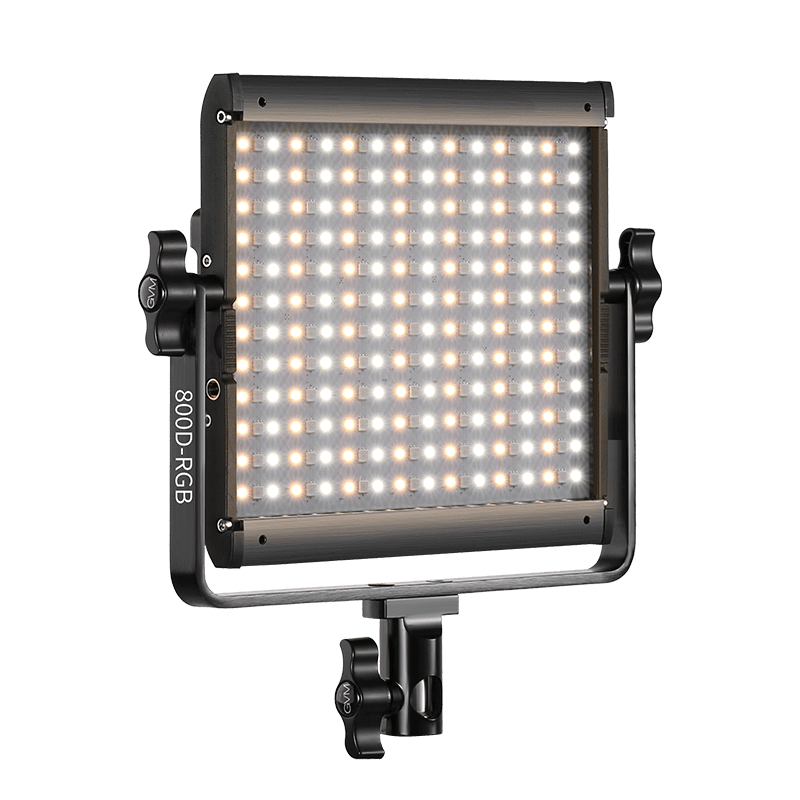
Why Modern Productions Demand Smarter Lighting
Production environments have changed dramatically over the past few years.
Small crews are handling commercial work that once required large teams. Independent creators regularly alternate between home studios, client offices, outdoor interviews, and temporary filming locations.
That shift has changed what professionals expect from studio lights for videography.
Today’s creators are looking for lighting systems that fit the way they actually work. A fixture needs enough output to handle different shooting environments, while still being practical to carry and set up. The ability to adjust settings wirelessly, work in locations without convenient power access, and integrate into larger lighting setups can make a significant difference during production.
The goal is simple: spend less time dealing with equipment and more time focusing on the shot itself.
Higher Output Creates More Creative Freedom
Light output is often discussed in technical terms, but its practical value is much simpler.
Higher brightness provides options.
A powerful fixture can fill larger modifiers while maintaining sufficient intensity. It can compete with daylight entering through windows, preserve detail when shooting at higher frame rates, or illuminate larger sets without pushing the light to its limits.
Perhaps more importantly, extra output gives room to shape the light. Heavy diffusion, grids, and softboxes all reduce intensity. Starting with more power means these creative tools become practical instead of restrictive.
For filmmakers, that flexibility is often more valuable than maximum brightness itself.
Wireless Control Makes Every Adjustment Easier
Lighting changes rarely happen once.
A director requests a softer key light. The camera angle shifts. A subject moves closer to the background. Exposure needs a slight correction.
Walking back to every fixture quickly interrupts the flow of production.
Wireless control solves a surprisingly common problem. Instead of stopping the shoot, adjustments can be made remotely while monitoring the image in real time. Multiple fixtures can also be synchronized, making consistent lighting much easier to maintain across different setups.
For productions using several lights, remote control often saves more time than any hardware upgrade.
Portable Power Expands Where You Can Film
Not every location provides convenient access to wall outlets.
Documentary work, outdoor interviews, event coverage, and remote productions frequently depend on battery-powered equipment.
Portable power is no longer simply a backup option. It has become part of a flexible production workflow.
When lighting systems support mobile operation, crews spend less time searching for extension cables and more time capturing the moment while natural conditions remain ideal.
That flexibility often determines whether a location is practical for filming.
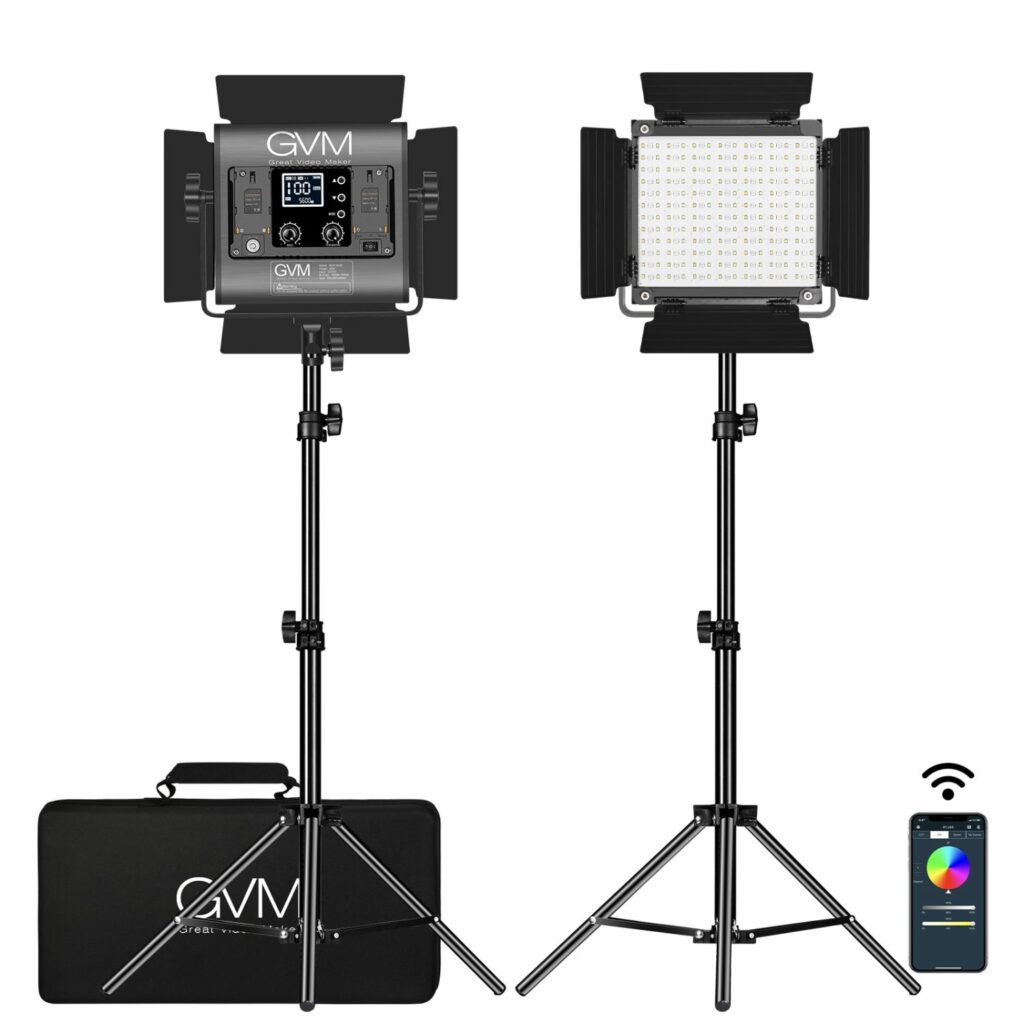
A Practical Example: GVM 800D 6X
As production needs continue to evolve, lighting equipment is also becoming more balanced. Rather than emphasizing a single specification, newer fixtures combine power, portability, and workflow efficiency into one system.
A GVM 800D 6X reflects this direction.
Its most noticeable advantage is higher output, providing enough intensity for large modifiers, commercial sets, interviews, and productions where maintaining consistent exposure is critical.
Equally important is its intelligent wireless control system. Brightness and color temperature can be adjusted remotely, allowing crews to respond quickly without repeatedly interrupting the shoot. For multi-light setups, this significantly improves efficiency.
Mobility is another strength. The fixture supports flexible power options, making it suitable for both traditional studio environments and location work where AC power may not always be available.
Perhaps the most practical benefit is its overall value. Professional lighting often requires balancing performance with budget. The GVM 800D 6X delivers features typically associated with higher-priced cinema fixtures while remaining accessible for independent filmmakers, production companies, and growing studios.
Rather than focusing on a single specification, it supports a smoother production process from setup to final shot.
| Recurso | GVM 800D 6X (RGB Panel Light Kit) |
| Melhor para | YouTube, Interviews, Portraits, Studio & Multi-Light Production |
| Potência de Saída | 40W × 3 LED Panel Lights |
| Temperatura de Cor | 3,200K – 5,600K |
| Modos de Cor | Bi-Color + RGB (HSI 0°–360°) |
| CRI / TLCI | 97+ / 97+ |
| Efeitos Especiais | 20 Built-in Scene Effects |
| Portabilidade | Compact 10.6″ Panel Design, Lightweight & Easy Setup |
| Control Type | GVM APP + Master/Slave Sync + Manual Control |
| Fonte de Energia | AC Adapter / DC Input + Battery Support |
| Brightness | Up to 5,105 Lux @1m (per light) |
| LED Configuration | 192 High-Brightness LED Beads per Panel |
| Ângulo do Feixe | 120° Wide Lighting Coverage |
Considerações Finais
The role of studio lights for videography continues to evolve.
Modern creators expect lighting systems to be powerful, adaptable, and efficient. They need equipment that performs equally well in permanent studios, temporary locations, and fast-moving productions without adding unnecessary complexity.
Higher brightness creates creative flexibility. Wireless control streamlines collaboration. Portable power removes location limitations. Strong value allows creators to invest in a complete lighting ecosystem rather than a single fixture.
Technology continues to improve, but the purpose of lighting remains unchanged.
Good light does more than illuminate a scene. It shapes attention, supports the story, and quietly helps every frame feel intentional.
Explore the full range of GVM professional lighting solutions(https://gvmled.com/)today.