Na era moderna da narração digital, a slider de câmera motorizado tornou-se a ferramenta definitiva para transformar vídeos comuns em obras-primas cinematográficas, tornando a “tomada estática” uma relíquia do passado. Seja você um YouTuber, um cineasta comercial ou um influenciador de mídia social, dominar uma carrinho de câmera motorizado é a chave para capturar e manter a atenção do público. Mas não é qualquer movimento que serve - você precisa de movimentos suaves, precisos e repetíveis que somente uma câmera de alta qualidade pode oferecer. slider de câmera motorizado pode fornecer.
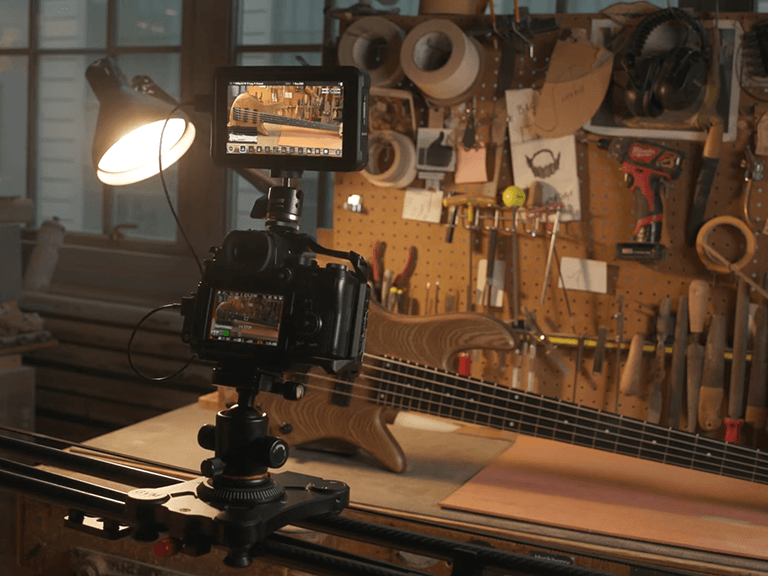
Neste guia abrangente, vamos mergulhar fundo no mundo do movimento cinematográfico. Exploraremos tudo, desde o nível profissional slider de câmera motorizado de equipamentos a soluções econômicas de bricolagem. Se você deseja elevar o valor de sua produção e aprender a tirar o máximo proveito de seu slider de câmera motorizado, você está no lugar certo.
O que são controles deslizantes de câmera usados para vídeo
Para entender por que você precisa de um sistema motorizado, primeiro temos que responder: Sliders de câmera são usados para criar movimentos suaves e controlados na filmagem de vídeo. Eles permitem que a câmera se mova horizontalmente (de um lado para o outro), verticalmente (de cima para baixo) ou em um ângulo, adicionando profundidade e dinamismo a cenas que, de outra forma, poderiam parecer estáticas. Aqui estão alguns usos comuns de sliders de câmera em vídeo: * **Movimento Lateral Suave:** Ideal para revelar um objeto, personagem ou cenário gradualmente. Pode ser usado para criar um senso de espaço ou para transições entre planos. * **Acompanhamento de Ação:** Se um sujeito está se movendo horizontalmente, um slider pode acompanhar esse movimento, mantendo o sujeito em quadro e criando uma sensação de imersão. * **Movimentos de Zoom Simulados (Dolly Zoom Inverso):** Movimentar a câmera para frente ou para trás em um slider pode simular um efeito de zoom, mudando a perspectiva e a relação entre o sujeito e o fundo. * **Adicionar Profundidade e Dimensão:** Ao mover a câmera em relação a um assunto Produção especificamente?
Um controle deslizante de câmera é essencialmente uma ferrovia em miniatura para a sua câmera. Sua principal finalidade é mover a câmera ao longo de um caminho fixo para criar uma sensação de profundidade. Na cinematografia profissional, isso geralmente é chamado de “dolly shot” ou “tracking shot”.”
1. Criando o Efeito Parallax: Este é o uso mais popular. Ao mover a câmera horizontalmente enquanto o sujeito permanece em movimento, o fundo parece se mover em uma velocidade diferente da do primeiro plano. Essa camada visual cria uma sensação 3D em uma tela 2D.
2. Entrevistas Dinâmicas: Você já assistiu a um documentário de alto orçamento em que a câmera se desloca lentamente durante uma entrevista? Isso é um controle deslizante em ação. Ele evita que o quadro pareça “morto” e mantém os olhos do espectador fixos no orador.
3. Macrofotografia e Videografia de Produtos: Ao filmar objetos pequenos como joias ou eletrônicos, até mesmo um leve tremor nas mãos parece um terremoto. Um slider motorizado fornece a precisão submilimétrica necessária para “hero shots” em comerciais.
4. Time-lapse de Movimento: Esse talvez seja o uso mais avançado. Um controle deslizante motorizado pode mover a câmera apenas um centímetro a cada dez minutos, permitindo capturar um pôr do sol ou uma flor desabrochando com um movimento cinematográfico que se estende por várias horas.
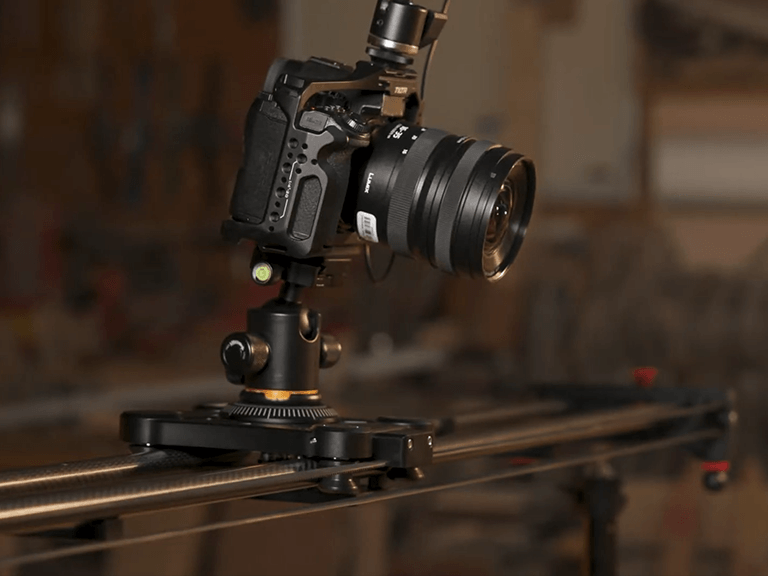
As 7 melhores fotos de rastreamento com controle deslizante de câmera motorizado
Quando falamos sobre o As 7 melhores fotos de rastreamento com controle deslizante de câmera motorizado, não estamos falando apenas do hardware—estamos falando do resultados você pode alcançar com o equipamento certo. Aqui estão as categorias de sliders que oferecem as melhores tomadas de rastreamento na indústria hoje:
- O Slider Cinematográfico de 3 Eixos: Uso de um controle deslizante que incorpora panorâmica, inclinação e deslizamento para uma foto de rastreamento “orbital” completa em torno de um objeto.
- A Ascensão Vertical: Usando um slider motorizado de alto torque para mover a câmera para cima, revelando uma paisagem ou um produto alto.
- A Trilha da Paisagem de Longa Distância: Utilizando trilhos de fibra de carbono de 100cm+ para filmagens amplas de natureza.
- O slide macro: Movimentos ultra lentos para close-ups extremos de texturas e produtos.
- A revelação oculta: Rastreamento por trás de um objeto (como uma árvore ou um muro) para revelar o assunto principal.
- A Viga de Baixo Perfil no Solo: Usando um dolly de trilho para obter planos em movimento a poucos centímetros do chão.
- A Pista de Alta Velocidade: Uso de controles deslizantes “flyer” que podem mover a câmera rapidamente para seguir um objeto em movimento, como uma pessoa caminhando.
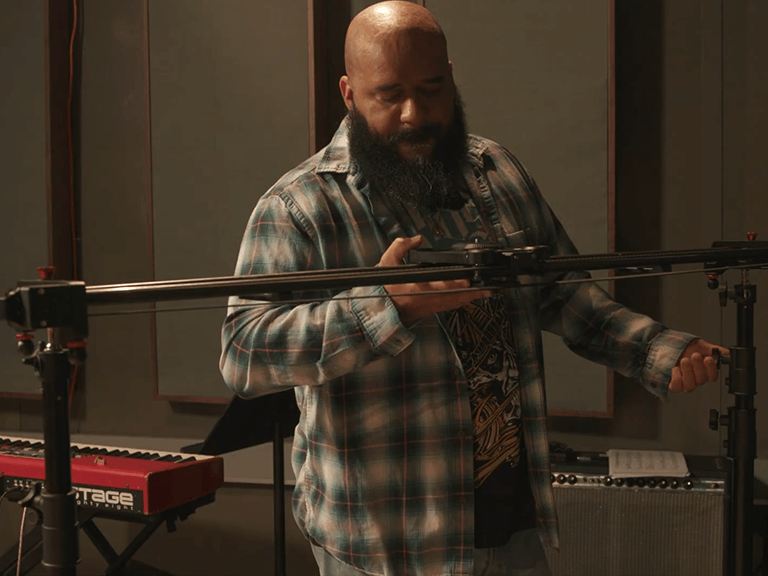
Gvm slider de câmera motorizado
Se você pesquisa equipamentos há mais de cinco minutos, com certeza já se deparou com Controle deslizante de câmera motorizado gvm. O GVM (Great Video Maker) tornou-se uma marca básica para criadores independentes porque oferece recursos de nível profissional por uma fração do custo do equipamento de “Hollywood”.
A série GVM, especialmente modelos como o GT-J.
O que define o Controle deslizante de câmera motorizado gvm O controle remoto versátil é um diferencial. Você pode facilmente definir pontos “A” e “B”, e o slider se moverá entre eles automaticamente. Isso salva a vida de criadores solo que precisam filmar a si mesmos; você pode definir o slider em um loop, ficar em frente à lente e deixar o motor fazer o rastreamento para você.
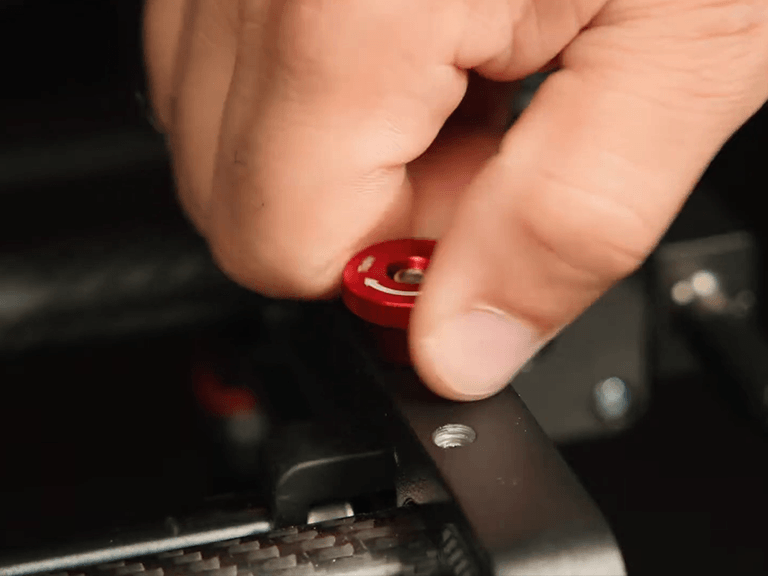
Barra deslizante motorizada para câmera com cabeça pan e tilt
Para aqueles que querem ir além do simples movimento da esquerda para a direita, o slider motorizado de câmera com cabeça de pan e tilt é o upgrade definitivo. Um slider padrão se move em uma dimensão. No entanto, ao adicionar uma cabeça motorizada de pan e tilt, você desbloqueia o movimento de “3 eixos”.
Por que isso é importante? Imagine que você está rastreando um sujeito andando em frente à câmera. Com um trilho de um eixo, o sujeito eventualmente sairá do quadro. Com um slider motorizado de câmera com cabeça de pan e tilt, o slider pode mover-se para a esquerda enquanto a cabeça gira para a direita, mantendo o assunto perfeitamente centralizado em um “wrap de paralaxe”.”
Esta configuração é essencial para filmagens b-roll profissionais. Ela permite que a câmera “olhe” para o assunto enquanto ela se “move” passando por ele. Sistemas como os heads especializados da Zeapon ou Edelkrone são projetados para sincronizar perfeitamente com o motor do slider, garantindo que a rotação e o movimento deslizante ocorram em perfeita harmonia.
Melhor slider de câmera motorizado econômico
Nem todo mundo tem 1.000 dólares para gastar em um suporte para câmera. Se você está apenas começando sua jornada, encontrar o melhor slider de câmera motorizado econômico é uma prioridade. Felizmente, o mercado explodiu com opções acessíveis nos últimos anos.
Ao procurar uma opção econômica, você deve procurar três coisas:
- Controle do aplicativo Muitos controles deslizantes de orçamento agora usam seu smartphone como controle remoto, o que economiza o custo de um controlador físico dedicado.
- Compatibilidade da Bateria: Procure por sliders que usem baterias padrão Sony NP-F. Elas são baratas e amplamente disponíveis.
- Estabilidade: Evite trilhos muito finos. Mesmo um slider de orçamento deve ter uma capacidade de peso decente (pelo menos 5kg) para garantir movimento suave.
Marcas como Neewer e modelos GVM de baixo custo frequentemente levam a coroa para melhor slider de câmera motorizado econômico. Elas podem ser um pouco mais barulhentas do que as suas equivalentes de $3.000, mas, para a maioria dos YouTubers, o resultado visual é praticamente idêntico.
Carrinho deslizante motorizado para câmera
Às vezes, um trilho é uma limitação. Se você estiver filmando em um estúdio com pisos lisos, um carrinho de câmera motorizado deslizante pode ser uma escolha melhor do que um trilho deslizante tradicional.
Um dolly motorizado é essencialmente um pequeno veículo motorizado de três rodas para sua câmera.
- Comprimento Infinito: Diferente de um trilho que pode ter 80 cm de comprimento, um dolly pode se mover por um cômodo inteiro.
- Caminhos Curvos: Você pode configurar as rodas de um carrinho de câmera motorizado deslizante a um ângulo, permitindo que ele se mova em um círculo perfeito ao redor de um produto. Isso é quase impossível de ser feito com um trilho reto.
- Portabilidade: As dollies são frequentemente pequenas o suficiente para caber no bolso de uma jaqueta, tornando-as a ferramenta de cinematografia “furtiva” definitiva.
Deslizador automático para iPhone e laptop
Em 2026, a melhor câmera é frequentemente aquela que está no seu bolso. O crescimento do cinema em dispositivos móveis levou a uma alta demanda por um deslizador automático para iPhone e laptop configurações.
Espere, por que um laptop? Com a explosão do “trabalho remoto” e apresentações de Zoom de alto nível, os profissionais agora estão usando pequenos sliders motorizados para criar movimentos dinâmicos para suas webcams e laptops durante transmissões ao vivo.
Um deslizador automático para iPhone e laptop geralmente é muito menor e alimentado por um simples cabo USB-C. Para usuários de iPhone, esses sliders geralmente se integram a aplicativos que permitem rastreamento facial automático. Imagine seu iPhone se movendo para frente e para trás em sua mesa, mantendo automaticamente seu rosto no centro do quadro enquanto você grava um TikTok ou um vlog. Isso adiciona um nível de valor de produção que o diferencia de milhões de outros criadores que usam tripés estáticos.
Como fazer um slider de câmera caseiro
Se você é estudante ou entusiasta de faça você mesmo, talvez queira aprender Como fazer um slider de câmera em casa antes de investir em uma unidade motorizada profissional. Embora um slider feito em casa não tenha a precisão controlada por computador de uma GVM, é uma ótima maneira de aprender a física do movimento.
O que você vai precisar:
- Dois Tubos de PVC: Eles agem como seus trilhos.
- Rodas/Rolamentos de Skate: Eles fornecem o “giro”.”
- Uma Base de Madeira: Para montar a cabeça da sua câmera.
O segredo para Como fazer um slider de câmera em casa que na verdade parece bom é o “truque do elástico”. Em vez de empurrar a câmera com a mão (o que causa trepidações), prenda um elástico grosso no carrinho da câmera e puxe o elástico. A elasticidade da borracha absorve os tremores da sua mão, resultando em um rastreamento manual muito mais suave.
Claro, para “motorizar” um slider DIY, você precisaria de um kit Arduino, um motor de passo e um sistema de acionamento por correia. Embora seja possível, quando você compra as peças, muitas vezes está perto do preço de um melhor slider de câmera motorizado econômico.
Considerações Finais sobre a Conquista da Foto Perfeita
Dominando a As 7 melhores fotos de rastreamento com controle deslizante de câmera motorizado requer mais do que apenas comprar equipamentos; requer prática.
- Comece Devagar: Os slides mais cinematográficos são muitas vezes os mais lentos.
- Foco no Primeiro Plano: Coloque um objeto perto da lente para maximizar o efeito de paralaxe.
- Verifique seu áudio Se você está usando um Controle deslizante de câmera motorizado gvm para uma entrevista, certifique-se de que o motor esteja no “Modo Silencioso” para que não arruíne seu som.
Seja você usando um profissional slider motorizado de câmera com cabeça de pan e tilt ou você acabou de descobrir Como fazer um slider de câmera em casa, o objetivo é o mesmo: contar uma história melhor através do movimento. Boas filmagens!