Videography lights make or break a wedding film, and most videographers learn that the hard way. A reception hall lit by dim tungsten bulbs, a ceremony backlit by harsh window light, a first dance under color-shifting DJ lighting — every scene demands a different fix, often with only minutes to set up. Add a client who expects flawless footage and zero visible equipment fuss, and the pressure to get lighting right the first time becomes real.
The problem isn’t a lack of lights on the market. It’s finding one system that handles interviews, live-streamed ceremonies, ring and detail shots, and a fast-moving reception without swapping gear or losing power halfway through the night. This guide breaks down what actually matters when choosing videography lights for weddings, across every budget level.
Índice
Matching Lights to Wedding Scenarios
Wedding videography isn’t one job — it’s four or five jobs stacked into a single day. Getting-ready interviews need soft, flattering fill light that won’t wash out skin tones. Live-streamed ceremonies demand consistent color temperature so remote viewers see the same footage the in-person guests experience.
Product and detail shots — rings, invitations, table settings — benefit from precise color rendering, since off-color macro footage is one of the fastest ways to lose a client’s trust. Reception and dance-floor coverage need portable, battery-powered units that can move with the camera operator without tripping over cables.
A light that excels at only one of these tasks forces videographers to carry multiple systems. That’s expensive, heavy, and slower to deploy — three things a wedding schedule has no patience for.
Budget Tiers: What You Get at Each Price Point
Under $1,000: This tier covers entry-level bi-color LED panels and compact COB monolights. Expect CRI in the low-to-mid 90s, basic dimming, and either battery or AC power — rarely both seamlessly. Fine for beginners or second shooters, but color consistency across multiple units can be inconsistent.
Around $3,000: This is the sweet spot for most working wedding videographers. At this level, a two- or three-light kit with CRI/TLCI above 95, dual power options, app control, and Bluetooth mesh syncing across units becomes realistic. This tier is where reliability starts to match the stakes of shooting a once-only event.
Professional-grade ($5,000+): Cinema-grade fixtures with the highest CRI/TLCI ratings, extensive gel libraries, and rugged builds for high-volume studios. Excellent for videographers shooting multiple weddings weekly, though the price premium often outpaces the practical benefit for solo or small-team operators.
Comparing What Actually Matters
| Factor | Why It Matters for Weddings |
|---|---|
| CRI / TLCI | Determines how accurately skin tones and fabric colors render on camera — critical for bridal white and detail shots |
| Faixa de Temperatura de Cor | A wide, adjustable range (2700K–6800K) lets one light match candlelit receptions and daylight ceremonies |
| Flicker-Free Performance | Prevents visible banding in video, especially important for high-frame-rate slow-motion footage |
| Fonte de Alimentação | Dual AC/battery support keeps shooting through outdoor ceremonies and venues with limited outlets |
| Portability & Mounting | Lightweight, stand- or handheld-ready builds speed up setup between wedding segments |
Solution: A Budget Portable Lighting Kit Built for the Job
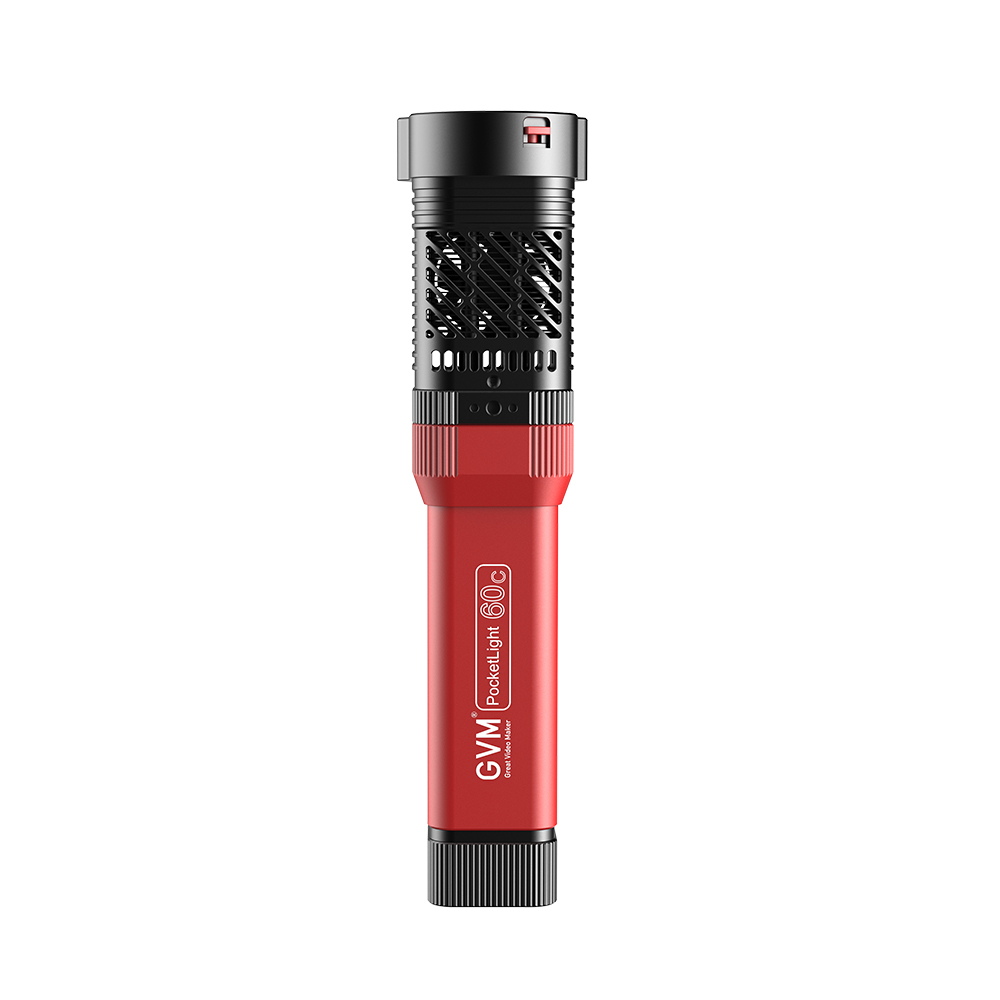
For videographers who need reliable color accuracy without hauling a truckload of gear, a compact two-light kit like the GVM-PL60C RGB Pocket LED Monolight fits the mid-range tier well. It’s built specifically to cover the scenario range a wedding day throws at a single operator — interviews, ceremony fill, and reception coverage — without switching systems.
| Recurso | Specification / Benefit |
|---|---|
| Color Rendering | CRI ≥97, TLCI ≥98 for accurate skin tones and fabric detail |
| Temperatura de Cor | 2700K–6800K with G/M shift for precise white balance matching |
| Lighting Modes | CCT, HSI, RGB, GEL (60 presets), Source Simulation, and FX effects |
| Brightness | 34,100 Lux @ 0.5m with reflector — strong enough for daylight ceremony fill |
| Poder | Dual AC/battery (7.4V 4400mAh), NP-F750 charging input |
| Controle | On-board knob, GVM APP, Bluetooth Mesh for multi-light sync |
| Weight & Build | 0.8kg, aluminum alloy shell, rainproof rating for outdoor use |
| Arrefecimento | Smart, high-speed, and silent fan modes to avoid audio interference |
The gel emulation library and source-matching modes are particularly useful for receptions, letting one fixture mimic candlelight, tungsten, or stage lighting without carrying physical filters. Bluetooth mesh syncing also means a two-light kit can be adjusted together from one phone mid-shoot.
The Six-Point Wedding Lighting Checklist
Before booking gear for a wedding, run it against this formula: CRI/TLCI 95+, dual color temperature range, flicker-free at every dimming level, silent operation, battery portability, and a standard mount (Bowens-compatible fixtures simplify accessory swaps).
There’s a practical reason battery life matters more here than in most shoots: a wedding day runs 8–10 hours with no natural break to recharge. Videographers running two or three battery-powered units typically carry a few spare batteries per light, so a depleted unit can be swapped in under a minute rather than pausing coverage during a ceremony or first dance.

Perguntas Frequentes
What CRI rating do I need for wedding videography?
Aim for CRI 95 or higher. Anything lower risks visibly inaccurate skin tones and off-white bridal gowns, especially in close-up and detail shots.
Do I need battery-powered lights for weddings?
Yes, for at least part of the kit. Outdoor ceremonies, tented receptions, and older venues often lack reliable outlet access near the shooting position.
How many lights do I need to cover a full wedding day?
Two to three portable lights typically cover interviews, ceremony fill, and reception coverage without needing a full studio setup.
Is flicker-free performance really necessary?
Yes — modern wedding films frequently include slow-motion segments, and non-flicker-free lights produce visible banding at higher frame rates.
Conclusão
The right wedding videography lighting kit isn’t the one with the most features on paper — it’s the one that keeps up with a schedule that never pauses. A CRI/TLCI 95+, dual-power, flicker-free kit like the GVM-PL60C covers the full range of a wedding day’s lighting demands in a single, portable system. Compare a few two-light kits against the checklist above before your next booking, and build a battery rotation that matches your typical shoot length.