For many photographers, capturing beautiful indoor photos is a real challenge. Limited light, not to mention an apparent lack of interesting subjects, can make it feel like an impossible task. Whether the sun has faded or you’re working in a windowless studio, mastering photography lighting and illumination techniques allows you to “manufacture” natural-looking light at any time of day.
Fortunately, I have some good news: you don’t need to be at the mercy of the weather. By adapting artificial lighting and photography illumination techniques to mimic natural light, you can produce amazing shots in practically any environment.
Professional Glossary: Essential Photography Lighting Names
Understanding professional photography lighting names is the first step toward mastering the “Art of Light.” Whether you are setting up a high-end commercial shoot or a simple home studio, these terms define how light shapes your subject.
Portrait Lighting Patterns
- Rembrandt Lighting: Named after the Dutch master, this is one of the most iconic photography lighting names. It is characterized by a small inverted triangle of light on the shadowed cheek. It adds a dramatic, moody, and sophisticated feel to portraits.
- Butterfly Lighting: Also known as Paramount Lighting, the light is placed directly above and in line with the subject’s nose. It creates a small, butterfly-shaped shadow under the nose, ideal for emphasizing high cheekbones and clean skin in beauty photography.
- Loop Lighting: A widely used pattern where the light is slightly to the side. It creates a small “loop” shadow from the nose on the cheek. It is a flattering, go-to setup for almost any face shape.
- Split Lighting: This technique splits the face exactly into two halves: one in light and one in shadow. It is used to create a high-contrast, intense, and dramatic look.
Structural Lighting Roles
In a professional studio lighting setup, we use specific photography lighting names to describe the role of each fixture:
- Key Light: The primary and strongest light source. it defines the overall character and shadows of the shot.
- Fill Light: A secondary light used to “fill in” the dark shadows created by the key light, reducing the overall contrast.
- Back Light / Rim Light: Placed behind the subject, it creates a “rim” of light around the edges. This is essential for separating the subject from the background, adding a three-dimensional depth.
Atmospheric & Technical Terms
- High-Key Lighting: A style characterized by a bright, airy aesthetic with very few shadows. It is common in commercial, medical, and upbeat lifestyle photography.
- Low-Key Lighting: Focuses on shadows and high contrast. This photography lighting name is synonymous with mystery, drama, and cinematic storytelling.
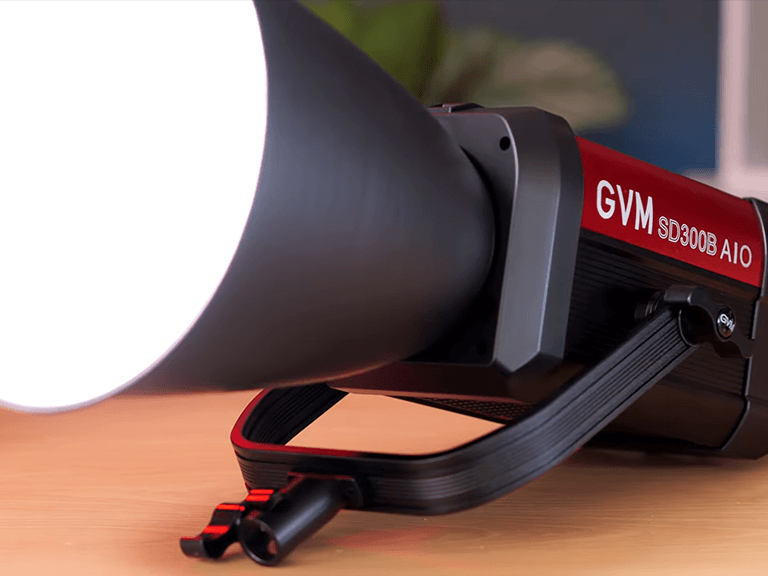
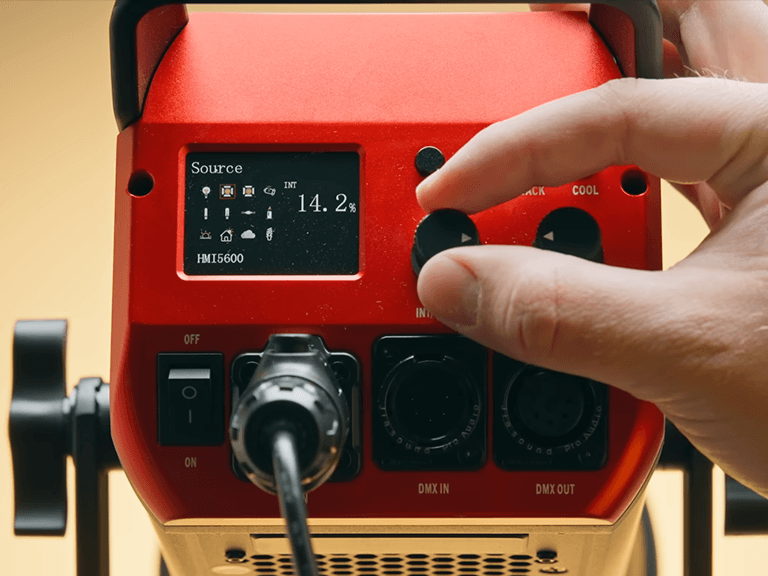
- Hard Light vs. Soft Light: Hard Light creates crisp, sharp-edged shadows (achieved by bare COB lights like the GVM AIO 300B).
- Soft Light produces gradual, diffused shadows (achieved by using a photography lighting softbox).
Based on years of practical photography experience, I’ve compiled these 16 essential Photography Lighting techniques for simulating natural light indoors.
Let’s dive right in.
1. Prioritize a “Large” Source
In the world of photography Lighting, size dictates quality. Natural window light is beautiful because a window acts as a massive light source. If you’ve ever tried to take images indoors with a bare flash, you know the problem: harsh, artificial shadows.
To mimic a window, you need to think big. A 120cm+ Octabox or a large white umbrella creates the soft, expansive wrap-around light characteristic of a bright North-facing window. The larger the glowing surface area of your equipment, the more “natural” the result will feel.
2. Mimic the Lighting Direction
When you’re photographing indoors, light enters from a specific direction—it never just “exists” everywhere. For realistic photography illumination, you must consciously place your light stand to mimic an architectural source. Generally, placing your light at a 45-degree angle to your subject and slightly above eye level is the “sweet spot.”
Depending on where you place your “artificial window,” you can achieve three distinct effects:
- Frontlight: Position the light near the camera axis. This illuminates detail and softens skin, making it flattering for portraits, though it can feel a bit flat.
- Sidelight: Position your light at a sharp angle to the subject. This highlights surface textures and adds a sense of depth and drama—perfect for food or moody still life.
- Backlight: Placing the light behind your subject creates a glowing outline or “rim light,” which is excellent for separating your subject from a dark background.
3. Eliminate Ambient Competition
Natural light doesn’t like competition, and neither does professional photography Lighting. Mixing different light sources causes two major problems: unexpected shadows and “muddy” color temperatures.
Most household bulbs are either too yellow or too green. If these mix with your dedicated photo lights, skin tones will look odd and are nearly impossible to fix in post-processing. The easiest fix? Just turn off all electric lights! Focus on your single, controlled source to keep your colors looking organic.
4. Use Aperture Priority with ND Filters
Natural light photography is famous for that creamy, shallow depth of field. To maintain this look with artificial photography illumination, you’ll recommend starting with a wide-open aperture like f/1.8 or f/2.8.
However, professional lights are often too powerful for wide apertures, even at their lowest setting. If your image is blowing out, don’t close your aperture! Instead:
- Use a Neutral Density (ND) filter on your lens to “eat” the extra light.
- Move your light further back to take advantage of light fall-off.
- This allows you to keep that soft background blur that defines the “natural” look.
5. Lock Your Color Temperature
For consistent photography illumination, don’t rely on Auto White Balance (AWB). Sunlight changes throughout the day, and your settings should reflect the mood you want to create.
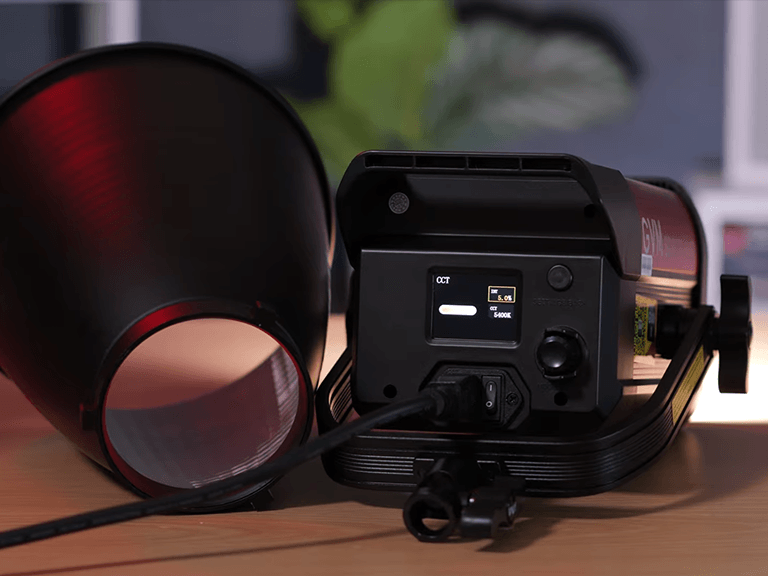
- For High Noon: Set your camera to 5600K (Daylight) for clean, neutral white light.
- For Golden Hour: Instead of sliding a bar in editing, apply a CTO (Orange) gel over your light source. This creates an authentic warmth that physically interacts with the highlights and shadows.
6. The Power of “Bounce” Illumination
Indoor environments often lack the bright, airy feel found outdoors. One of my favorite indoor photography lighting techniques is pointing your light at a white wall or a low ceiling instead of directly at the subject.
When you do this, the wall effectively becomes a large light source. This bounced photography lighting is incredibly diffused and creates a soft, natural-looking glow. It’s a simple yet powerful way to mimic the effect of bright, overcast daylight in studio lighting setups.

7. Close-Proximity Macro Glow
If you’re struggling to find subjects, embrace the magic of close-up photography. In photography illumination, the closer the source is to the subject, the softer the shadows become.
For macro shots, bring your softbox as close to the subject as possible—just inches outside the frame. This mimics the beautiful, ethereal look of an object placed directly against a foggy window pane.
8. Use V-Flats for Reflective Fill
Remember: natural light is “bouncy.” In a real sunlit room, light hits the walls and floors, reflecting back into the shadows. Artificial photography illumination can feel “dead” if the shadows are too black.
To fix this, place a white V-flat or foam board opposite your main light. This acts as a passive fill, cradling the light around your subject and mimicking the natural bounce of a sunlit interior.
9. Double Diffusion for Overcast Simulation
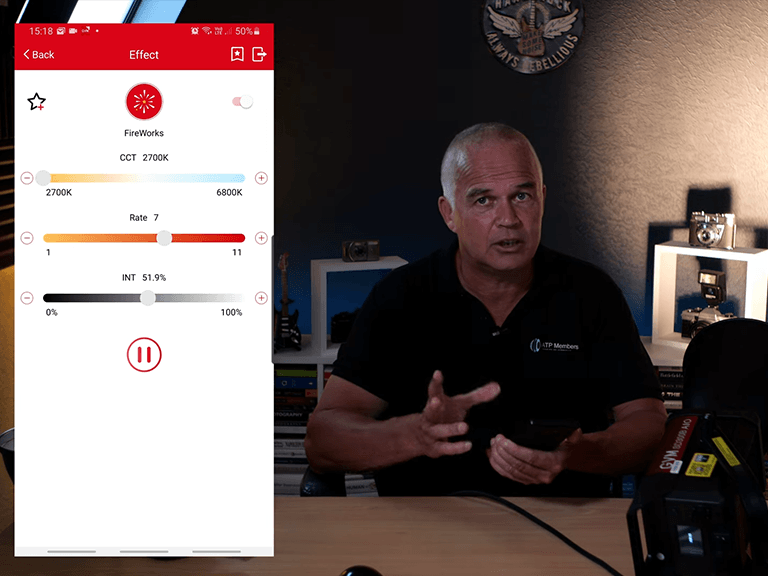
A standard softbox can sometimes still feel a bit “staged.” To achieve a truly soft, hazy light that mimics a cloud-covered afternoon, try double diffusion.
Hang a translucent white sheet or a professional scrim a few feet in front of your softbox. This extra layer of photography illumination further scatters the light rays, creating a wrap-around effect that is nearly indistinguishable from a cloudy day.
10. Refine with Handheld Reflectors
Even with professional setups, a simple reflector is vital for fine-tuning your photography illumination.
- The White Side: Adds a subtle, soft lift to chin or neck shadows.
- The Silver Side: Provides a crisp, “organic” pop to the features and increases contrast slightly without changing the light’s direction.
11. Creative Mirror Redirection
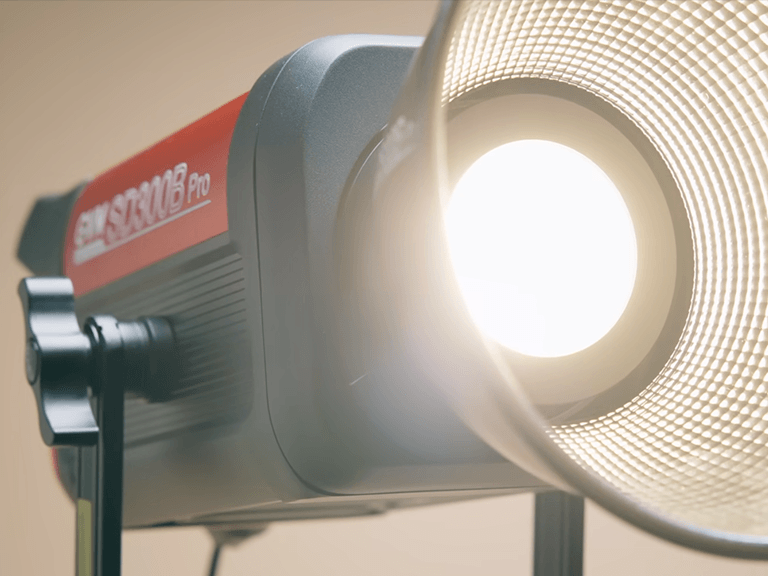
A mirror is another great way to control photography illumination. In nature, light often creates accidental “shards” of brightness. You can recreate this by aiming a small, hard light into a mirror and reflecting it onto your subject.
It takes some patience to get the angles right, but the sharp, high-contrast highlights it creates look exactly like a stray beam of sun hitting a glass table.
12. Simulate Low-Angle Golden Hour
The “Golden Hour” is that magical period when the sun sits low in the sky. To capture this mood with artificial photography illumination, you need to lower your light stands.
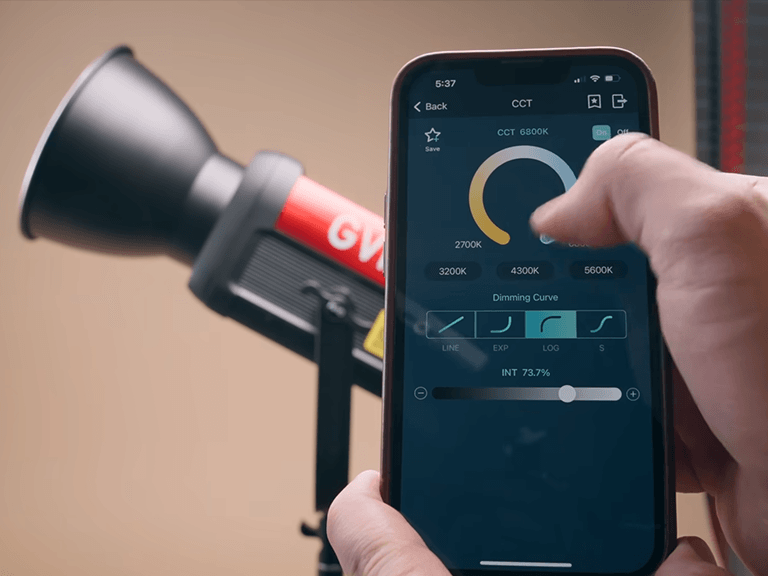
Place your light at eye level or lower, remove the softbox for a “harder” light quality, and add a warm gel. The long, horizontal shadows stretching across the floor will immediately convince the viewer that the sun is setting just outside the frame.
13. Use “Gobos” for Dappled Light
Authentic indoor light is rarely a perfect square; it’s usually filtered through trees or blinds. In photography illumination, we use Gobos (Go-Betweens) to mimic this “clutter.”
Try placing a house plant or a piece of cardboard with slits cut into it in front of your light. The resulting dappled shadow patterns are the ultimate “tell” of natural light, making the scene feel lived-in and real.
14. Manage Light Fall-off
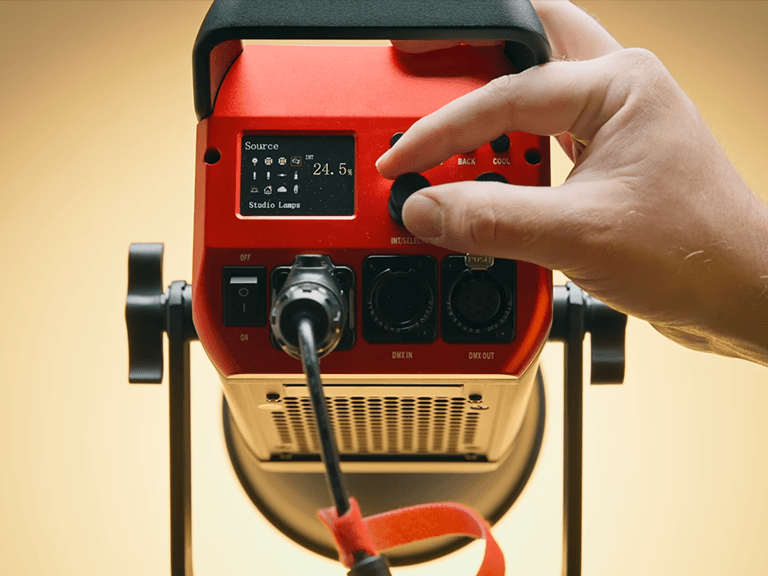
Earlier, I talked about the importance of distance. To truly mimic a window, you have to manage how light fades. According to the Inverse Square Law, light drops off very quickly as it moves away from the source.
By keeping your light source close to your subject, you create a natural gradient where the subject is bright but the background falls into a soft shadow. This adds a “three-dimensional” feel to your photography illumination that distant lights cannot achieve.
15. The “Sheer Curtain” Scrim
If the light feels too harsh, you need to diffuse it—just like you would with curtains at home. For the ultimate realism in photography illumination, set up your light behind a real white sheer curtain.
The fabric texture in the highlights adds a layer of domestic authenticity that a plastic softbox cannot replicate. It creates a “feathered” light that feels incredibly gentle on your subject.
16. Perfect Your Catchlights
Natural light creates beautiful, large reflections in the eyes. The “dead” look in studio photos often comes from small, unnatural catchlights. Ensure your photography illumination source is positioned to create a large, rectangular reflection in the subject’s pupils.
This mimics the reflection of a large window and is the secret to making a portrait feel “alive” and connected to a natural environment.
Putting it into Practice: 3 Photography Illumination Case Studies
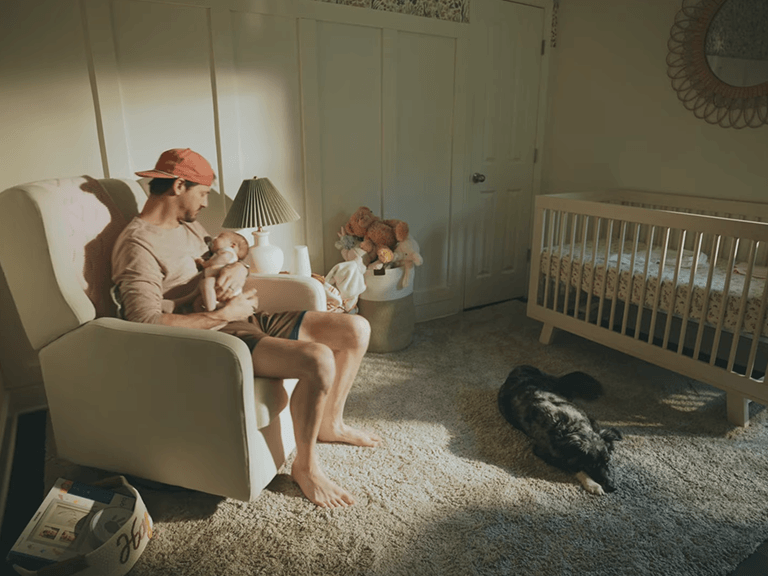
Scenario A: The Airy Morning Look
- The Setup: I placed a 150cm Octabox at a 45-degree angle. Opposite the light, I used a white V-flat for passive fill.
- The Result: “In this case study, I bypassed the windows entirely. By locking my photography illumination to 5600K, I successfully simulated the soft, scattered glow of a 10:00 AM sunlit room without the inconsistency of shifting clouds.”
Scenario B: The Golden Hour Mood
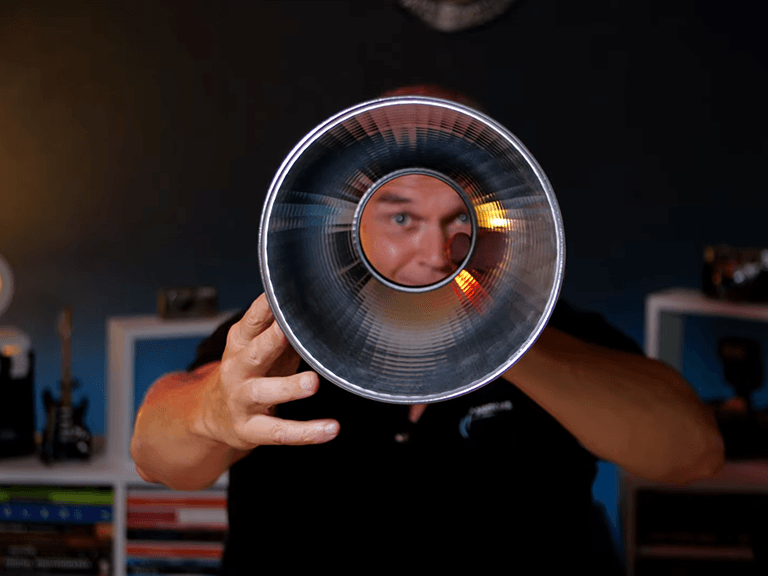
- The Setup: GVM AIO 300B continuous LED spotlight with a standard reflector, lowered to eye level and modified with a CTO Orange Gel.
- The Result: “To create this dramatic sunset feel, I adjusted the angle of my photography illumination to be almost horizontal. The hard light creates long, sharp shadows, mimicking the sun piercing through a window at dusk.”
Scenario C: The Soft Scrim Look
- The Setup: Octabox placed behind a real, physical white sheer curtain hung from a portable rod.
- The Result: “This is my favorite photography illumination setup. By firing through a fabric scrim, I captured delicate highlight transitions. You can even see the subtle texture of the ‘curtain’ in the catchlights, making the illusion complete.”
Indoor photography illumination: You’ve got to love it! It’s easy to love the control that comes with manufactured natural light. It allows you to create beautiful photos no matter the time of day. Remember, experimentation is key. The more you work with these techniques, the more intuitive they will feel.
Now over to you: Have you tried simulating natural light with your gear? Let me know how your shoots go by commenting below!