Achieving the perfect photo studio lighting setup is the cornerstone of professional photography and videography. As we head into 2026, the technology behind professional photo studio lights has evolved from bulky, heat-generating units to slim, intelligent, and highly portable LED solutions. Whether you are building a virtual studio, a product photography space, or a high-end film set, understanding the nuances of lighting equipment is essential for capturing natural, true-to-life images.
In this guide, we will explore the different types of photo studio lights, the components of a photography lighting kit, and how to arrange your equipment for maximum impact.
Table of Contents
Types of Photo Lighting Equipment
To build a professional environment, you must first understand the various categories of equipment available. In 2026, the industry has largely shifted toward LED technology due to its energy efficiency and color accuracy.
- Continuous Lighting: Unlike flashes, continuous lights stay on, allowing you to see exactly where shadows fall before you take the shot. This is the preferred choice for modern content creators and videographers.
- Strobe Lighting (Monolights): Traditionally used by portrait photographers, these deliver a powerful burst of light. However, they are increasingly being supplemented by high-output LED panels that offer “flicker-free” performance.
- Light Modifiers: This includes softboxes, umbrellas, and barn doors. These tools shape and soften the light source to prevent harsh shadows on the subject.
- Support Systems: Light stands, C-stands, and overhead rails ensure your gear is positioned precisely and safely.
Photography Lighting Kit: The Essentials
A complete photography lighting kit should provide flexibility. A standard professional kit in 2026 usually consists of three main light sources (the three-point lighting system), stands, and a control interface.
Modern kits now emphasize “smart” features. For instance, integrated app control allows photographers to adjust brightness and color temperature from a smartphone without having to lower the light stands. This efficiency is critical for solo creators and fast-paced commercial shoots. When selecting a kit, prioritize portability and power options; having the ability to switch between AC power and V-mount batteries is a game-changer for on-location production.
Professional Photo Studio Lights: High-Performance Solutions
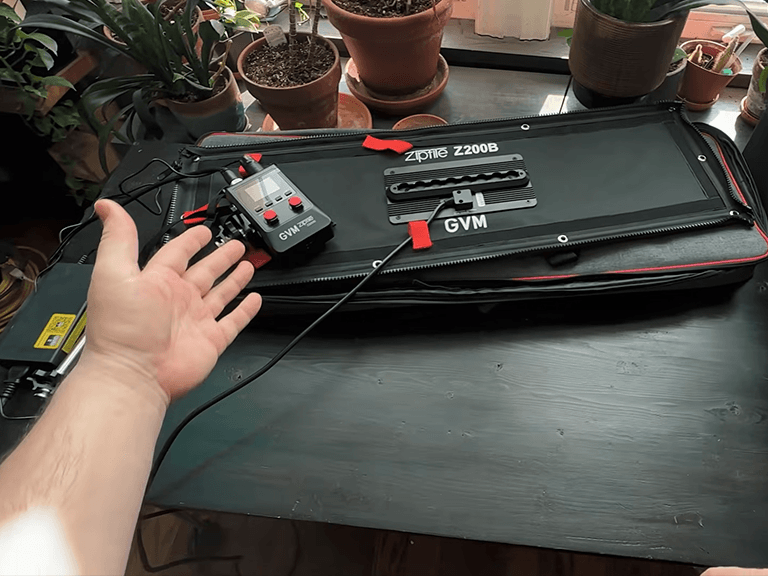
When it comes to professional photo studio lights, the GVM Z200B ZipTile stands out as a flagship example of 2026 lighting technology. This 200W Bi-Color LED panel is designed for creators who demand high performance in an ultra-slim form factor.
The Z200B is particularly unique because of its “splicable” zipper connection system, allowing multiple panels to be joined together to create a larger light wall. This modularity is perfect for virtual studios and large-scale e-commerce photography where uniform, powerful light is required.
Product Spotlight: GVM Z200B ZipTile Features
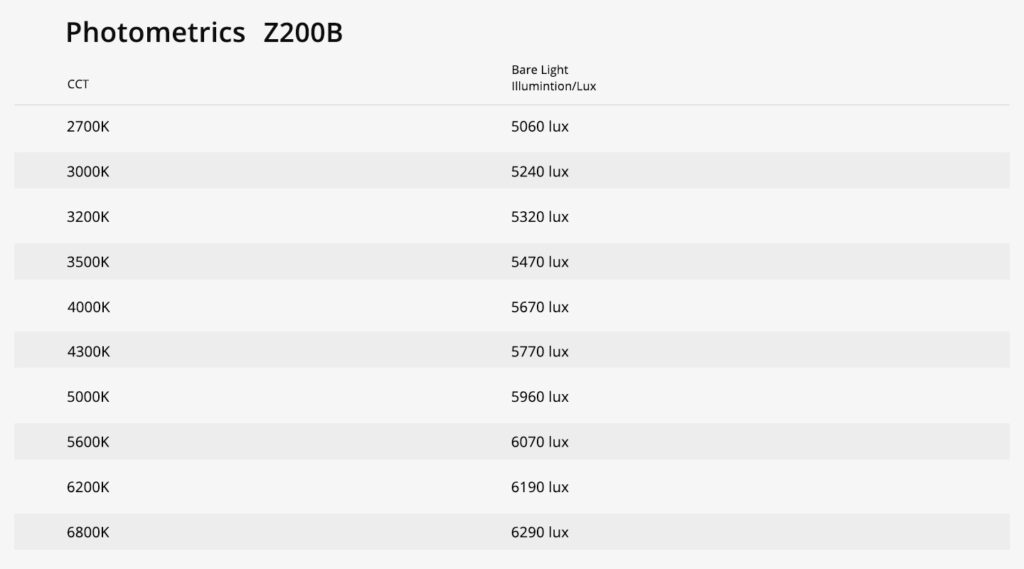
The GVM Z200B offers a wide color temperature range of 2700K to 6800K, allowing it to blend seamlessly with ambient sunlight or warm indoor tungsten bulbs. With 12 built-in cinematic lighting effects and 12 light source presets (such as HMI and Fluorescent), it simplifies the workflow for professional cinematographers.
| Feature | Specification |
| Power Output | 200W |
| Color Temperature | 2700K – 6800K (Bi-Color) |
| Lighting Effects | 12 Built-in (Lightning, TV, Explosion, etc.) |
| Source Presets | 12 Calibrated Types (Daylight, Tungsten, etc.) |
| Control Options | Integrated Control Box + Smartphone APP |
| Power Source | AC Power + V-Mount Battery Compatible |
| Design | Ultra-slim, Lightweight, Splicable |
| Firmware | USB-C Upgradeable |
Types of Photo Studio Light and Their Roles
Understanding the types of photo studio light involves knowing their specific roles within a scene. A professional setup usually categorizes lights based on their function:
- Key Light: This is the primary light source on the subject. It is usually placed at a 45-degree angle to the side of the camera.
- Fill Light: Positioned opposite the key light, the fill light “fills” in the shadows created by the key light, providing a more balanced look.
- Backlight / Rim Light: Placed behind the subject, this creates a “halo” effect on the hair or shoulders, helping the subject stand out from the background.
- Background Light: Used specifically to illuminate the backdrop, preventing the subject from casting unwanted shadows on the wall behind them.
Photo Studio Lighting Setup: Proven Techniques
Setting up your studio requires a strategic approach. Here are the most effective photo studio lighting setup configurations used by professionals in 2026:
1. The Three-Point Lighting Setup
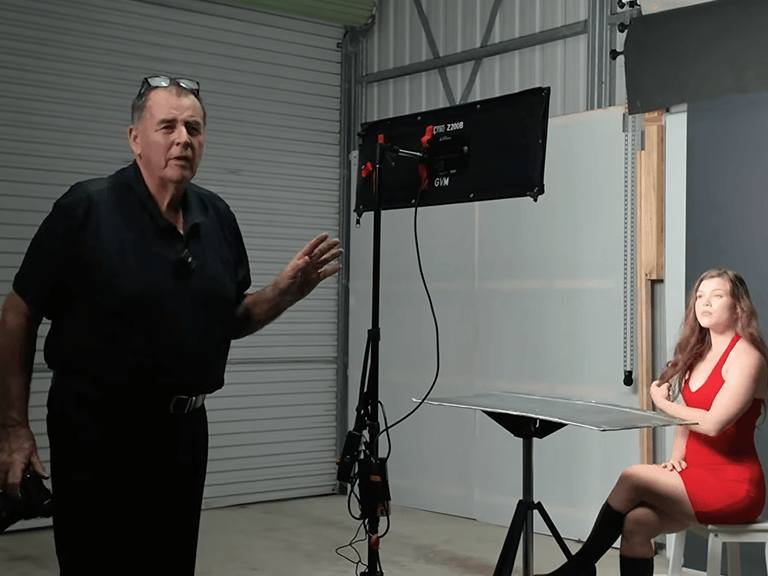
This is the gold standard for interviews and portraits. It uses a Key Light, Fill Light, and Backlight. Using a versatile panel like the GVM Z200B as your Key Light ensures you have enough power (200W) to light your subject even in large spaces.
2. Butterfly (Paramount) Lighting
Common in fashion photography, the light is placed directly above and behind the camera, shining down on the subject’s face. This creates a small, butterfly-shaped shadow under the nose, emphasizing cheekbones.
3. Clamshell Lighting
Often used for beauty and “headshots,” this involves two lights (usually two LED panels or softboxes) placed in front of the subject, one slightly higher than the other. This setup minimizes wrinkles and provides a glowing, even skin tone.
4. Spliced Light Walls for Virtual Production
In 2026, many studios are using expandable systems. By utilizing the zipper connection system of lights like the ZipTile series, you can create a massive, soft light source that mimics a window or a large skylight, providing extremely natural results for e-commerce and product videography.
Conclusion
The ideal photo studio lighting setup for 2026 balances power, portability, and precision. Investing in high-quality professional photo studio lights like the GVM Z200B ensures that your production remains flexible, whether you are in a fixed photography studio or shooting on location. By mastering the different types of photo studio light and utilizing modern photography lighting kits, you can achieve cinematic results that elevate your creative work.

FAQ
Q: What is the best color temperature for studio photography?
A: For most studio work, 5600K (Daylight) is the standard. However, a bi-color light ranging from 2700K to 6800K offers more flexibility to match existing environmental light.
Q: Can I use the GVM Z200B for outdoor shoots?
A: Yes. Because it supports V-mount battery operation and features a lightweight design, it is highly portable and suitable for on-location production where AC power is unavailable.
Q: What are lighting effects used for?
A: Lighting effects like “TV,” “Lightning,” or “Explosion” are used in videography and filmmaking to simulate real-world environments realistically without needing expensive practical effects.
Q: How many lights do I need for a basic setup?
A: A minimum of two lights is recommended for a basic setup (Key and Fill), but a three-light kit is considered the professional standard for depth and separation.
Q: Why is “flicker-free” lighting important?
A: Flicker-free lights ensure that when you are recording video at high frame rates, there are no strobing or pulsing lines in your footage, which is common with low-quality LED lights.