En el mundo de la imagen digital en rápida evolución, 2026 marca un punto de inflexión para luces de estudio fotográfico, ya que la tecnología de iluminación finalmente ha alcanzado las resoluciones ultraaltas de los sensores modernos. Ya sea que seas un fotógrafo comercial que fotografía alta costura o un creador de contenido que monta un estudio casero de alta gama, tu elección de luces de estudio fotográfico es el factor más importante en la calidad de tu resultado.
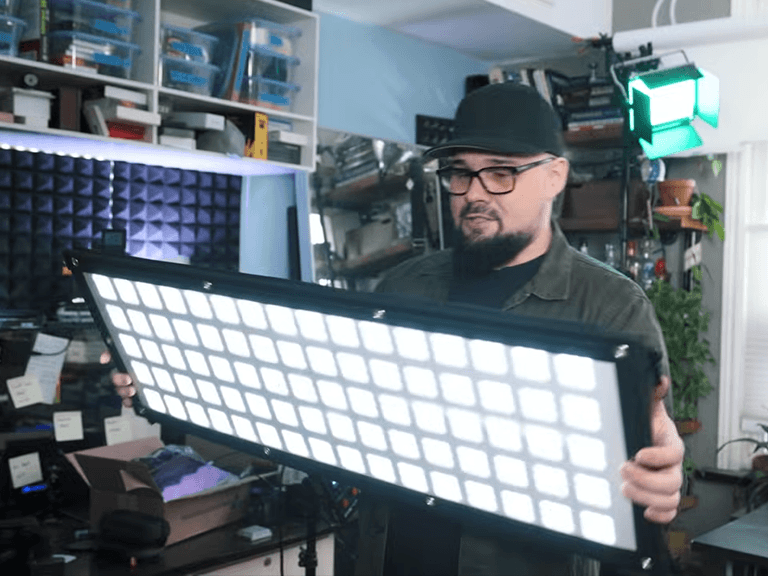
En esta guía, exploramos los mejores luces de estudio fotográfico de 2026, desglosando los requisitos técnicos, las principales marcas y las configuraciones que harán que tu trabajo destaque en un mercado saturado.
¿Qué iluminación es mejor para la fotografía de estudio?
Elegir el “mejor” luces de estudio fotográfico no se trata de encontrar la unidad más cara; se trata de encontrar la herramienta adecuada para tu entorno específico. En 2026, el estándar para la iluminación profesional ha pasado de “voluminoso y estático” a “delgado e inteligente”. El estándar profesional moderno se mide por estos tres pilares críticos:
1. Precisión y Control de Color
Con las últimas cámaras de más de 100 MP, los cambios de color son más notables que nunca. Profesional luces de estudio fotográfico debe ofrecer un CRI de 95+ para asegurar que los tonos de piel se vean naturales. Sin embargo, en 2026, la precisión va más allá del simple color. El control de precisión—como el 4 Curvas de Atenuación (Lineal, Exponencial, Logarítmica, Curva S) se encuentra en paneles avanzados como el GVM Z200B—permite a los fotógrafos dar forma a las transiciones de brillo con precisión cinematográfica, garantizando un rendimiento sin parpadeos incluso a altas velocidades de fotogramas.
2. Versatilidad que redefine el espacio (delgado y modular)
La era de las lámparas pesadas y que emiten calor ha terminado. Lo mejor luces de estudio fotográfico ahora presento perfil ultrafino (algunas tan delgadas como 26 mm) que pueden ocultarse en espacios reducidos o montarse en techos bajos donde las luces tradicionales no caben. Además, modularidad es clave. Los innovadores sistemas de conexión “Zipper” ahora permiten a los creadores conectar instantáneamente múltiples paneles de 200W en una matriz masiva de alta potencia sin herramientas adicionales. Este enfoque “sin herramientas” reduce significativamente el tiempo de preparación y permite un set “más limpio” sin el desorden de un rigging complejo.
3. Redes Smart Mesh y Energía Híbrida
Para 2026, las mejores luces ya no se ajustan manualmente. Están integradas en Redes Bluetooth Mesh, lo que le permite controlar toda una serie de luces a través de una única aplicación o control remoto mientras permanece detrás del objetivo. La eficiencia también significa estar “listo para la ubicación”. Busque sistemas que ofrezcan Flexibilidad dual de CA/CC, permitiéndote cambiar sin problemas de la corriente eléctrica del estudio a baterías V-mount para vlogs al aire libre o producciones remotas.
Tipos de luces de estudio fotográfico
Antes de invertir, debes comprender las dos categorías principales de iluminación de estudio:
1. Iluminación estroboscópica (flash)
Los flashes siguen siendo los reyes de la fotografía fija. Ofrecen una explosión masiva de luz que puede eclipsar al sol o congelar el movimiento de alta velocidad (como un líquido salpicando).
- Mejor para: Moda, retratos, fotografía de producto comercial.
- Ventajas: Alta potencia, “congela” el movimiento, compatible con una amplia gama de modificadores de luz.
2. Iluminación Continua (LED)
La tecnología LED ha explotado en 2026. Los LED COB (Chip-on-Board) son ahora lo suficientemente potentes como para rivalizar con algunos estrobos.
- Mejor para: Disparadores híbridos (foto y vídeo), comercio electrónico y flujos de trabajo “lo que ves es lo que obtienes” (WYSIWYG).
- Ventajas: Operación silenciosa, bajo calor y la capacidad de ver exactamente dónde caen las sombras antes de presionar el obturador.
3. Monoluces vs. Sistemas de unidad y cabezal
Los monoluces son unidades todo en uno (a batería o enchufables), ideales para la portabilidad. Los sistemas pack and head (donde la batería/cerebro está separado del cabezal de luz) son preferidos para estudios de alta gama donde las luces están montadas en techos altos.
Luces Profesionales para Estudio Fotográfico: Las Mejores Selecciones de 2026
En el panorama de la fotografía profesional de 2026, el GVM ZipTile Z200B se erige como la fusión definitiva de potencia y portabilidad. Con un vanguardista perfil ultradelgado de 26 mm y un sistema de conexión patentado “Zipper”, permite a los creadores expandir un único panel de 200W en una matriz de iluminación de alta intensidad de forma instantánea y sin herramientas. Combinado con cuatro curvas de atenuación de nivel profesional, una precisión de color excepcional CRI 95+ y una red inteligente Bluetooth Mesh, el Z200B es más que una simple luz: es un instrumento de precisión para redefinir tu espacio creativo. Ya sea en un entorno de estudio controlado o en una producción exterior de ritmo rápido, el Z200B ofrece una iluminación sólida como una roca de calidad cinematográfica en todo momento.
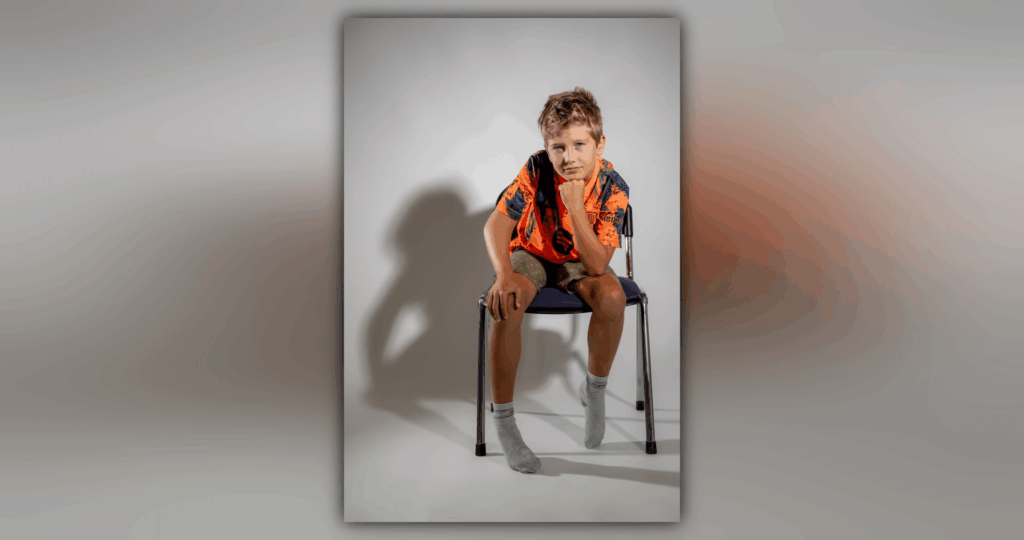
¿Quién fabrica las mejores luces de estudio?
En 2026, el referente de la iluminación profesional ya no lo marcarán las marcas europeas tradicionales, sino los innovadores que unan el rendimiento de alta gama con el diseño centrado en los creadores. GVM (Gran Creador de Vídeos) se ha consolidado como el líder indiscutible en este sector. Fundada en 2013, GVM ha evolucionado de ser un fabricante especializado a Empresa Nacional de Alta Tecnología y una empresa certificada “Especializada, Refinada e Innovadora”, redefiniendo el estándar global para luces de estudio fotográfico.
Un Legado de Innovación Independiente
El ascenso de GVM a la cima de la industria está respaldado por una potencia de investigación y desarrollo independientes. Con más de 100 tecnologías patentadas, GVM no solo sigue las tendencias, las crea. Desde equipos de producción cinematográfica profesional hasta organizaciones de noticias, la élite de la industria confía en GVM por su riguroso control de calidad y su compromiso con la fabricación “Especializada y Refinada”.
Por qué GVM es la Elección de los Profesionales en 2026
GVM se ha ganado su lugar entre las marcas de primer nivel, anclada en cuatro pilares fundamentales: Primero, ofrecer un rendimiento cinematográfico con una precisión de color CRI 95+, 4 curvas de atenuación de precisión y un sistema modular de “cremallera” para reducir la barrera a la creación profesional. Segundo, construir un ecosistema global en 17 mercados clave, mejorado por el lanzamiento en 2024 de su centro de producción profesional de transmisión en vivo, que ofrece soluciones integrales. Tercero, ser pionero en tecnología inteligente a través de Bluetooth Mesh y control por aplicación para la gestión sincronizada de luces múltiples. Cuarto, practicar la fabricación sostenible con cuerpos de aleación de aluminio y refrigeración pasiva, equilibrando la durabilidad con la producción ecológica.
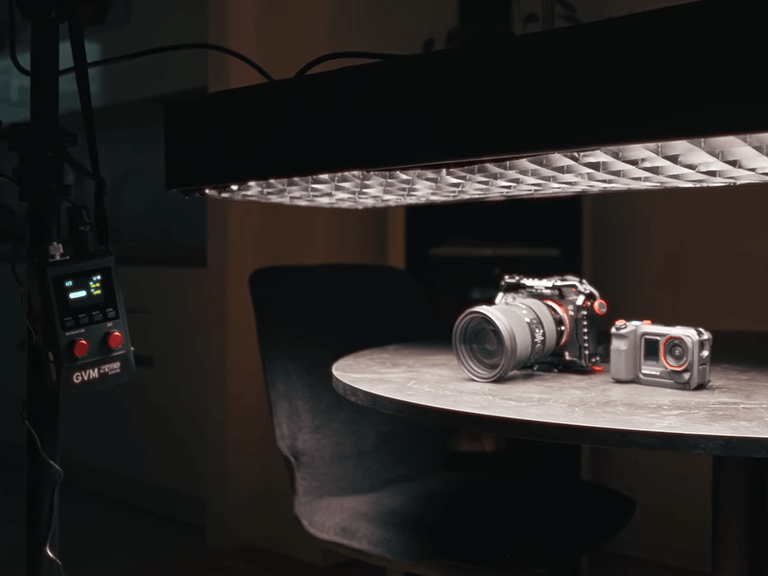
Configuración de Iluminación para Estudio Fotográfico
Tener las mejores luces es solo la mitad de la batalla; saber cómo colocarlas es donde ocurre el arte. Aquí hay tres configuraciones esenciales para 2026:
La configuración clásica de tres puntos
- Luz clave: Colocado a 45 grados hacia un lado y ligeramente por encima del sujeto.
- Luz de relleno Colocado en el lado opuesto a la mitad de potencia para suavizar las sombras.
- Luz de fondo (Luz de borde): Colocado detrás del sujeto para crear un realce en el cabello y los hombros, separándolos del fondo.
2. Iluminación “Mariposa” (Paramount)
Coloca tu luz principal directamente delante y encima de la cara del sujeto. Esto crea una pequeña sombra en forma de mariposa debajo de la nariz. Es la configuración ideal para tomas de alta moda y belleza, ya que enfatiza los pómulos.
3. El dramático Rembrandt
Posiciona la luz muy a un lado hasta que solo aparezca un pequeño triángulo de luz en la mejilla del lado de la sombra. Esto crea un aspecto sombrío y pictórico perfecto para retratos de bellas artes.
Conclusión
A medida que avanzamos en 2026, el límite entre el flash tradicional y la iluminación continua de alto rendimiento prácticamente ha desaparecido. El mejor absoluto luces de estudio fotográfico ya no se definen únicamente por la potencia bruta, sino por su precisión de color quirúrgica, su control inalámbrico inteligente y su capacidad de adaptación para rendir bajo la presión de un set profesional.
Invirtiendo en un alto rendimiento GVM configuración—como la innovadora serie modular ZipTile—usted está eligiendo un ecosistema de iluminación que acorta la distancia entre la calidad cinematográfica y la portabilidad práctica. Comience por dominar la técnica de iluminación de tres puntos con su Luces de estudio de fotografía GVM, aprovecha la precisión de sus curvas de atenuación únicas y su red de malla inteligente, y observa cómo tu cartera profesional alcanza nuevas alturas extraordinarias.