In the modern era of digital cinematography, lighting has evolved from simple illumination to a complex tool for emotional storytelling. Gone are the days when creators had to carry heavy suitcases filled with plastic gels to change the color of their lamps. The arrival of the RGB light for filmmakers has changed everything, offering millions of color options in a single, compact fixture.
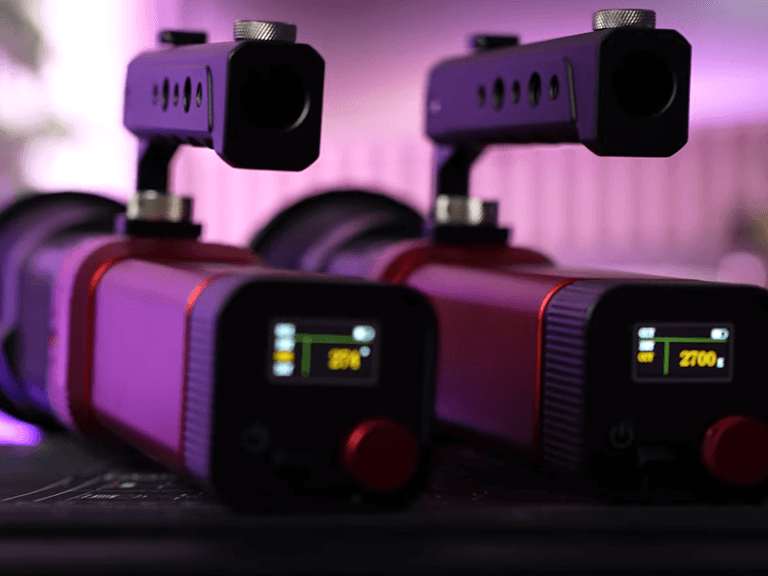
Whether you are a seasoned cinematographer or a YouTuber starting in a home studio, finding the best budget RGB light for filmmakers is the fastest way to increase your production value. In this guide, we will break down the essential technical knowledge you need to master color lighting.
What is Better, RGB or Bi-Color LED Light?
When building a lighting kit, the first question many creators ask is whether they should invest in a Bi-Color LED or a full RGB light. Both have their place on a professional set, but they serve different purposes.
Bi-Color LED Lights
Bi-Color lights are designed primarily to mimic natural light sources. They allow you to adjust the color temperature from warm (3200K tungsten) to cool (5600K daylight). Their main strength is color accuracy and high intensity, making them the perfect choice for “key lights” where natural skin tones are the priority.
RGB LED Lights
Un RGB light for filmmakers uses Red, Green, and Blue LEDs (often with added White chips, known as RGBWW) to create virtually any color in the visible spectrum.
- Creative Control: You can instantly switch to deep blues for a night scene, vibrant reds for a dramatic effect, or soft pinks for a stylized music video.
- Versatilidad Most high-quality RGB lights also function as Bi-Color lights, meaning you get the “natural” range plus the full-color spectrum.
El veredicto: If you are on a budget, an RGB light is almost always the better investment. It offers the functionality of a Bi-Color light while providing the creative tools needed for artistic background lighting and special effects.
Which is Better, 4000K or 6500K?
Color temperature, measured in Kelvin (K), defines the “warmth” or “coolness” of white light. Choosing between 4000K and 6500K depends on the atmosphere of your scene.
- 4000K (Neutral White): This is often considered a “neutral” or “cool white” light. It is warmer than standard daylight but cooler than a traditional light bulb. 4000K is excellent for commercial videography, office settings, and clean product shots. It provides a crisp look without feeling overly clinical or blue.
- 6500K (Overcast Daylight): This temperature mimics the light of a slightly cloudy day. It is quite cool and has a blue-ish tint. 6500K is ideal for matching outdoor light or creating a sterile, high-tech, or sci-fi atmosphere.
Which should you choose? Most filmmakers aim for 5600K as their daylight standard. However, having an RGB light that can reach 6500K is highly beneficial when you need to match the cool light coming from a bright sky. If you want a flattering, clean look for skin tones indoors, 4000K is often the more pleasing choice.
What Color Light is Best for Filming?
The “best” color light is the one that serves your story, but there are several industry standards that every filmmaker should know:
- Standard Daylight (5600K): This is the baseline for most video production. It looks clean, professional, and mimics the sun.
- The “Teal and Orange” Contrast: This is a classic cinematic technique. You use a warm light (orange) for your subject’s face and a cool RGB light for filmmakers (teal or blue) for the background. This color contrast creates depth and makes the subject “pop” off the screen.
- Warm Tungsten (3200K): Best for creating a cozy, intimate, or “home-like” feel. It is also used to mimic moonlight when dimmed and combined with a slight blue tint.
- Saturated Colors for Mood: Red is often used to signal danger or passion, while purple or magenta can create a futuristic, “cyberpunk” aesthetic.
Using an RGB light allows you to experiment with these colors without buying expensive filters or gels.
Portable RGB Light for Videography
For independent creators and “run-and-gun” filmmakers, a portable RGB light for videography is a game-changer. When you are shooting in a tight location or moving quickly between scenes, you cannot always rely on wall outlets.
A high-quality portable RGB light should offer:
- Internal Battery Power: Look for lights with high-capacity lithium batteries (like 6000mAh) that support USB-C fast charging. This allows you to shoot for hours without being tethered to a cable.
- Lightweight Design: Portability means the light should be easy to mount on a camera rig, a handheld gimbal, or a compact light stand.
- High CRI/TLCI: Even in a portable form factor, ensure the light has a CRI of 97 or higher. This prevents your footage from looking “muddy” or “greenish.”
Portable units like the GVM-PD60B (which features a built-in battery and professional color control) have become the standard for creators who need power and mobility in one package.
RGB Portable Photography Light
While videographers often focus on continuous light for movement, an RGB portable photography light is an essential tool for still photographers as well.
In the world of photography, RGB lights are used for:
- Iluminación de Contorno Placing a small RGB light behind a model can create a colored “halo” effect on their hair and shoulders, adding a professional layer to the portrait.
- Product Accents: When shooting products like electronics or beverages, a subtle splash of colored light on the background can help match the brand’s aesthetic.
- Pintura de luz Because these lights are portable and offer millions of colors, photographers use them in long-exposure shots to “paint” light streaks through the frame.
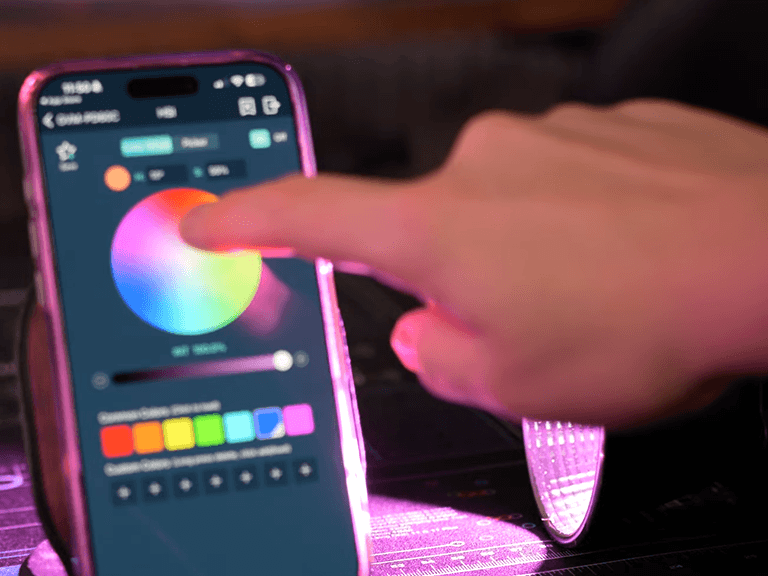
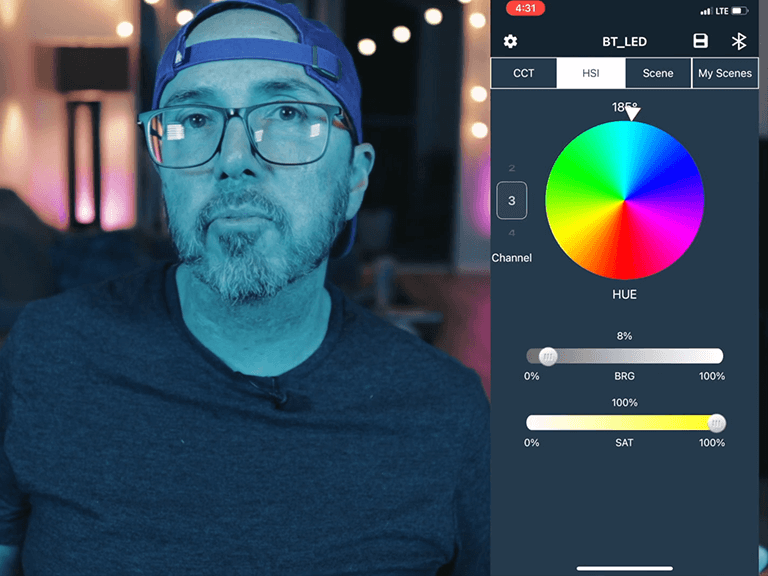
For photographers, the ability to control the Saturation y Hue (HSI mode) via a smartphone app is a massive time-saver, allowing for micro-adjustments without moving away from the camera.
Conclusion: Elevate Your Production with RGB
The quest for the best budget RGB light for filmmakers doesn’t mean you have to sacrifice quality. Modern technology has allowed brands like GVM to produce lights that offer professional color accuracy, robust builds, and advanced app control at a fraction of the cost of traditional film gear.
By integrating an RGB light for filmmakers into your workflow, you gain the ability to shift moods, create depth, and mimic complex environments with ease. Whether you are using a 60W portable unit for a key light or small RGB panels for background accents, the power to control color is the power to tell better stories.
Ready to upgrade your kit? Focus on lights that offer a wide Kelvin range (2700K–6500K), high CRI, and internal battery solutions. With these tools, your creative possibilities are truly limitless.