En el mundo de la cinematografía, la fotografía e incluso la creación de contenido moderno, la iluminación es el puente entre una apariencia de “película casera” y una producción profesional. Si alguna vez te has preguntado por qué algunos videos se ven cinematográficos y tridimensionales, mientras que otros se ven planos y apagados, la respuesta generalmente se encuentra en iluminación de tres puntos.
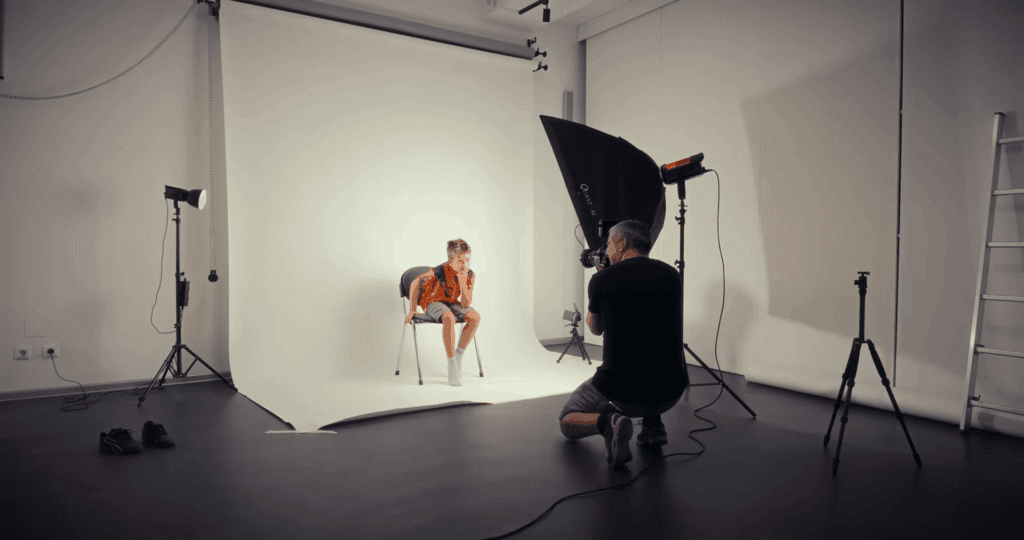
La iluminación de tres puntos es la técnica estándar utilizada por los artistas visuales para iluminar un sujeto de una manera que proporciona profundidad, textura y claridad. Ya seas un YouTuber principiante, un fotógrafo profesional o alguien que busca mejorar la calidad de sus videollamadas por Zoom, comprender este concepto es esencial.
¿Qué es la iluminación de tres puntos?
En su esencia, iluminación de tres puntos es un método tradicional para iluminar un sujeto en una escena con fuentes de luz desde tres posiciones distintas. Al usar tres luces separadas, el creador puede controlar las sombras y los reflejos, “esculpiendo” efectivamente el sujeto en un marco bidimensional.
Los tres componentes de esta configuración son:
- La Luz Principal: La fuente de luz principal y más fuerte. Define la apariencia general de la toma.
- La Luz de Relleno: Una luz secundaria y más suave utilizada para “rellenar” las sombras creadas por la luz principal.
- La luz de fondo Posicionada detrás del sujeto, crea un “borde” de luz que separa el sujeto del fondo.
Manipulando estas tres fuentes, se puede crear desde un escenario de entrevista brillante y alegre hasta una escena oscura y lúgubre de cine negro.
¿Cuál es el propósito de la iluminación de tres puntos?
El propósito principal de la iluminación de tres puntos es crear una sensación de tridimensionalidad.
Las cámaras perciben el mundo en 2D. Sin una iluminación estratégica, un rostro humano puede parecer plano contra una pared. La iluminación de tres puntos resuelve esto al:
- Crear Profundidad: Usando sombras (luz de relleno) y luces (luz principal), defines los contornos del rostro y el cuerpo.
- Separación La luz de fondo asegura que el sujeto no se mezcle con el fondo, lo cual es crucial para hacer que el sujeto “resalte”.”
- Controlando el estado de ánimo: Ajustar la intensidad (relación) entre las luces principal y de relleno te permite controlar el tono emocional. La iluminación de alta clave (iluminación uniforme) se siente optimista, mientras que la iluminación de baja clave (sombras marcadas) se siente dramática o misteriosa.
- Profesionalismo: Elimina la iluminación “plana” que a menudo causan las luces de oficina cenitales o los flashes de cámara, lo que le da al metraje una estética pulida y de alta gama.
La mejor configuración de iluminación de tres puntos
Para lograr los mejores resultados, necesitas entender la geometría de la colocación de la luz. Imagina que tu sujeto está en el centro de la esfera de un reloj, con la cámara en la posición de las 6 en punto.
1. La Luz Clave (La Base)
Coloca la luz principal aproximadamente 45 grados a un lado de la cámara (ya sea a las 4 en punto o a las 8 en punto). También debe colocarse ligeramente por encima del nivel de los ojos del sujeto, apuntando hacia abajo en un ángulo de 45 grados. Esto imita la luz solar natural y crea una sombra favorecedora en el lado opuesto de la cara.
2. La luz de relleno (El equilibrador)
Coloca la luz de relleno en el lado opuesto de la cámara a la luz principal. Su propósito es suavizar las sombras en el lado oscuro del rostro del sujeto.
- Consejo profesional: La luz de relleno debe ser menos intensa que la luz principal. Una “relación” común es de 2:1 (la principal es el doble de brillante que la de relleno), aunque esto varía según el estado de ánimo deseado.
3. La retroiluminación (el separador)
También conocido como “luz de borde” o “luz de cabello”, se coloca detrás del sujeto, generalmente alto y fuera del encuadre de la cámara. Debe apuntar a la parte posterior de la cabeza y los hombros del sujeto. Esto crea un brillo sutil alrededor de los bordes, distinguiendo al sujeto del fondo.
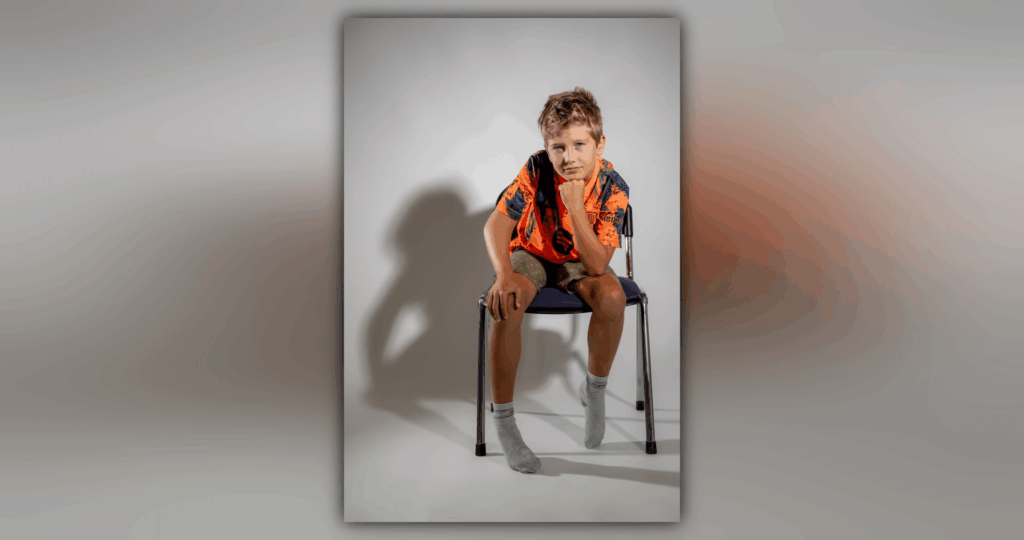
Iluminación de tres puntos en casa
No necesitas un estudio de Hollywood para lograr resultados profesionales. Si estás instalando Iluminación de tres puntos en casa, puedes utilizar objetos cotidianos y luz natural.
- Usa una ventana como luz principal: Colóquese de manera que una ventana forme un ángulo de 45 grados con su cara. La luz suave y natural suele ser mejor que las luces artificiales baratas.
- Luz de relleno casera: Si no tienes una segunda luz, usa un reflector. Un gran trozo de cartón pluma blanco o incluso una sábana blanca pueden reflejar la luz de la ventana hacia el lado sombreado de tu rostro.
- Lámparas de uso doméstico para iluminación de fondo. Utiliza una lámpara de escritorio o de pie colocada detrás de ti (solo asegúrate de que esté oculta de la cámara). Esto puede actuar como una luz de contorno perfecta para separarte de la pared de tu sala de estar.
- Controla el fondo: Asegúrate de que tu fondo no sea más brillante que tu luz principal, ya que esto te convertirá en una silueta.
Soluciones baratas de iluminación de tres puntos
Para quienes tienen un presupuesto limitado, no es necesario gastar miles de dólares en luces ARRI o Aperture de alta gama. Hay varias iluminación de tres puntos económica opciones que ofrecen un valor increíble:
- Aros de luz Aunque a menudo se usa como una única fuente de luz, un gran aro de luz puede servir como una excelente luz principal (Key Light). Emparejalo con dos paneles LED más pequeños y económicos para tu luz de relleno (Fill) y retroiluminación (Backlight).
- Paneles de Video LED GVM ofrece“Kits de 3 luces” que incluyen soportes, baterías y estuches de transporte por menos de 400 TP. Son portátiles y regulables, lo que las hace perfectas para principiantes.
- Luces de trabajo de ferreterías: Si tienes un presupuesto muy limitado, las “lámparas de pinza” o las luces de trabajo LED de una ferretería pueden servir. Sin embargo, necesitarás “difuminarlas” (suavizar la luz) colocando una cortina de ducha translúcida resistente al calor o papel difusor profesional delante de ellas.
- Aplicaciones para smartphone: Si tienes tabletas o teléfonos viejos, existen aplicaciones que convierten la pantalla en un panel de luz suave. Aunque no son lo suficientemente potentes como una Key Light, pueden funcionar como una luz de relleno o de fondo sutil para primeros planos.
Conclusión
Dominio iluminación de tres puntos es quizás la habilidad más importante que puedes aprender para mejorar tu contenido visual. Al comprender la relación entre el Clave, Relleno y Retroiluminación, obtienes control total sobre cómo tu audiencia percibe tu tema.
Empieza practicando con lo que tienes. Usa una ventana, una lámpara de escritorio y un trozo de cartón. Una vez que entiendas cómo se mueve la luz y crea sombras, podrás invertir en equipo más profesional. Recuerda: no se trata de cuánto cuestan tus luces, sino de dónde las colocas.
Ahora que conoces los fundamentos, ¡configura tu primer equipo de iluminación de tres puntos y notarás una diferencia radical en la calidad de tu video!