In 2026, the landscape of visual content creation has shifted toward high-quality, studio-grade results from the comfort of home. Whether you are a YouTuber, a portrait photographer, or a product enthusiast, mastering photography lighting is the single most important factor that separates professional work from amateur snapshots. This guide will walk you through the essential strategies to illuminate your indoor space using the latest trends and technologies of 2026.
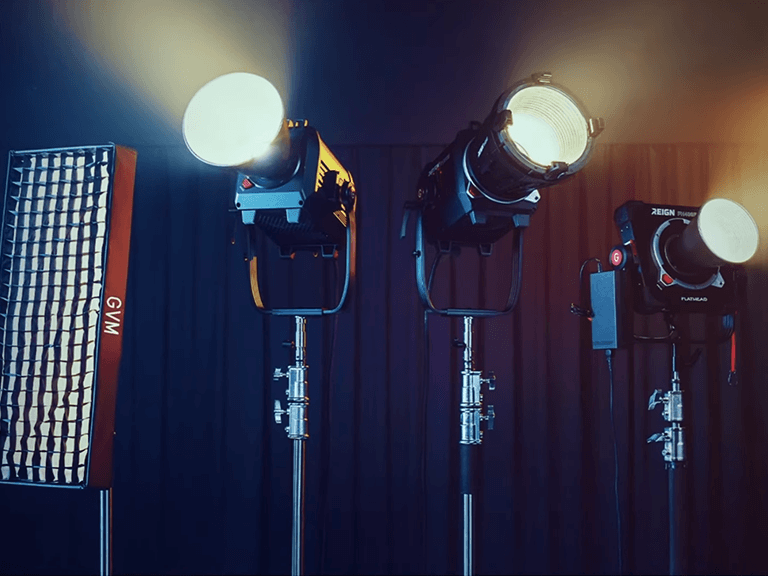
Lighting for photography beginners
Understanding the core principles of photography lighting is the first step toward creative freedom. Light does more than just make a subject visible; it defines shape, adds texture, and evokes emotion. For those just starting out, the focus should be on “Light Quality.”
In 2026, the trend leans toward soft, diffused light that mimics the natural atmosphere. Beginners should learn the difference between hard light, which creates sharp shadows, and soft light, which wraps around the subject for a flattering look. By mastering the direction of light—whether it is front, side, or backlighting—you can control the narrative of your image before you even press the shutter.
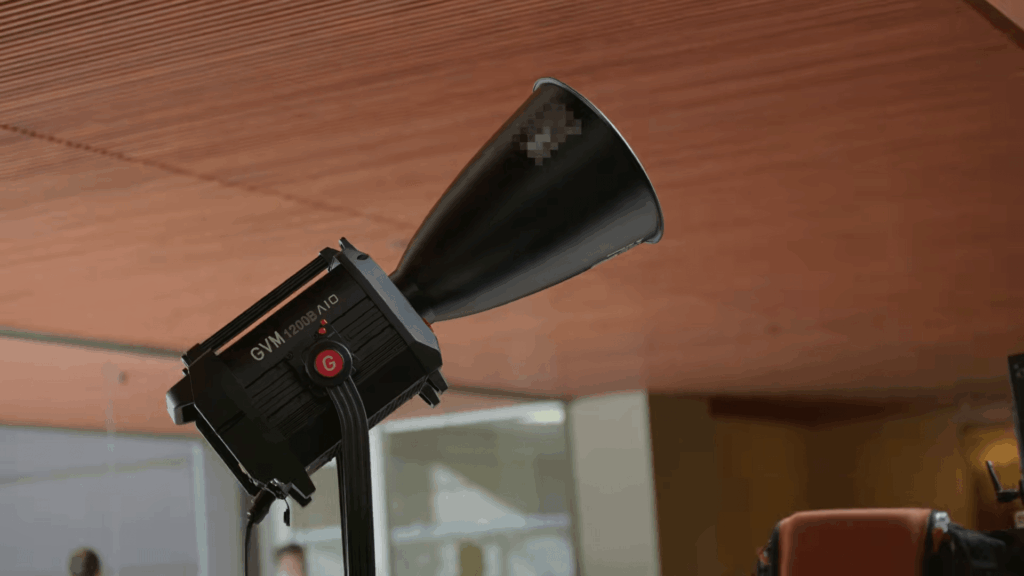
Natural lighting photography
Even with the advanced technology available in 2026, natural light remains a premium choice for indoor photography lighting. It is cost-effective, accessible, and provides a spectrum of color that is difficult to replicate perfectly with artificial sources.
To make the most of natural light indoors, position your subject near a north-facing window to achieve consistent, soft illumination throughout the day. If the sunlight is too harsh, a simple sheer white curtain acts as a giant diffuser. Many modern photographers also use white bounce boards to reflect window light back into the shadows, creating a high-end look with minimal investment.
Indoor photography lighting for beginners
Transitioning from natural light to a controlled indoor setup can be daunting. The primary challenge of indoor photography lighting for beginners is managing “mixed lighting”—the clash between orange tungsten bulbs and blue-tinted window light.
The golden rule for 2026 is to achieve total environmental control. Start by turning off all overhead room lights to avoid unwanted color casts. From there, implement the “Three-Point Lighting” system, which remains the industry standard:
- Luz clave: Your primary light source that defines the subject.
- Fill Light: A lower-intensity light used to soften shadows created by the key light.
- Back Light: Placed behind the subject to create a “halo” effect, separating them from the background for a 3D feel.
Indoor photography lighting equipment
The year 2026 has introduced a revolution in photography lighting equipment. Heavy, heat-emitting strobes have largely been replaced by ultra-efficient, smart LED and COB (Chip on Board) lights.
When building your 2026 lighting kit, look for these essential features:
- High Color Accuracy: Ensure your lights have a CRI (Color Rendering Index) of 97 or higher to keep skin tones looking natural.
- Smart App Control: Most modern lights now allow you to adjust brightness and color temperature via a smartphone, saving you from constant back-and-forth adjustments.
- Portable Power: 2026 models often feature high-capacity internal batteries, eliminating the clutter of power cables in your indoor studio.
- RGBWW Capabilities: Adding a touch of color to your background with small RGB light sticks is a popular way to add depth and a “cyberpunk” or “lifestyle” vibe to your indoor shots.
Indoor photography settings
Even the most expensive photography lighting setup will fail if your camera is not configured correctly. The synergy between your light source and your camera settings is what produces a clean, professional file.
First, always shoot in Manual Mode. This prevents the camera from changing exposure automatically when you move your lights. Keep your ISO as low as possible (ISO 100 or 200) to ensure the highest image quality without digital noise.
Second, pay close attention to White Balance. In 2026, most digital lights provide a specific Kelvin temperature on their display. Match your camera’s white balance to that exact number (e.g., 5600K) to ensure perfectly balanced colors. Finally, use your camera’s histogram to ensure you aren’t blowing out the highlights or losing detail in the shadows, giving you maximum flexibility during post-processing.
By combining the natural beauty of window light with the precision of 2026’s smart photography lighting tools, you can transform any indoor corner into a world-class photography studio.