In the world of professional photography and cinematography, light is the most critical element. But a light source alone is rarely enough; it’s how you shape, soften, and direct that light that creates a masterpiece. This is where the ボーエンズマウント comes into play. As the most widely used modifier mount in the industry, understanding this standard is essential for anyone looking to build a versatile studio setup.
In this guide, we will explore what a Bowens Mount is, compare it to other standards, provide a buying guide for LED lights, and share easy indoor photography ideas to get you started.
1. What is a Bowens Mount?
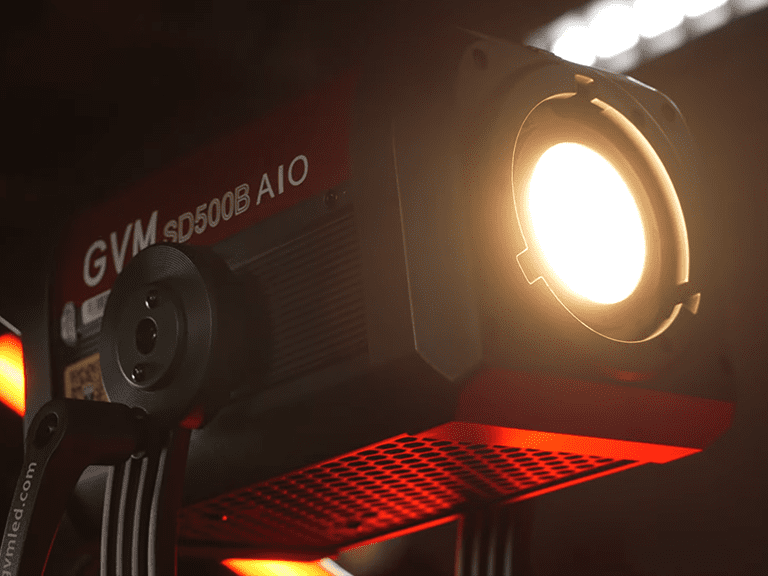
If you’ve ever looked at a professional studio strobe or a high-end LED continuous light, you likely noticed three metal tabs protruding from the front. This is the ボーエンズマウント (also known as the “S-Type” mount).
Originally designed by the legendary British lighting company Bowens International, this three-point bayonet system became the “open standard” of the lighting world. Its popularity stems from its simplicity and security. You simply align the modifier (like a softbox), push it in, and twist to lock it into place.
Because so many manufacturers (such as Godox, Aputure, Nanlite, and Westcott) adopted this design, it has created a massive ecosystem of affordable and high-quality light modifiers. Investing in Bowens Mount gear means you aren’t locked into a single brand.
2. Bowens Mount vs. Bowens S-Mount: What’s the Difference?
A common point of confusion for beginners is the distinction between a “Bowens Mount” and a “Bowens S-Mount.”
- ボーエンズマウント: This refers to the physical interface built directly into the front of a studio light (Mono-light or COB LED).
- The Bowens S-Mount (or S-Type Bracket): This is an external accessory designed primarily for speedlights (small on-camera flashes). Since speedlights don’t have built-in mounts, an “S-Type Bracket” allows you to clamp your small flash into a holder that features a Bowens mount on the front.
The takeaway: If you own speedlights but want to use professional softboxes, you need a Bowens S-Mount bracket. If you are buying a large studio LED light, it likely has the ボーエンズマウント built-in.
3. Buying Guide for Bowens Mount LED Lights
With the rise of video content, Bowens Mount continuous lights (LEDs) have become more popular than traditional flashes. When looking for the best LED light for your studio, consider these three factors:
Power and Brightness (Wattage)
For a small home studio, a 60W to 100W LED is usually sufficient. If you are shooting in a large space or trying to overpower the sun coming through a window, look for 200W or higher.
Color Accuracy (CRI & TLCI)
Don’t just look at brightness. Look for a 演色評価数 of 95 or higher. This ensures that skin tones and product colors look natural and vibrant, saving you hours of color correction in post-processing.
Cooling and Noise
Since these are continuous lights, they generate heat. High-quality Bowens Mount LED lights feature silent or ultra-quiet fans. This is crucial if you are recording video and don’t want fan whirring to ruin your audio.
4. Essential Modifiers: Softboxes and Fresnels
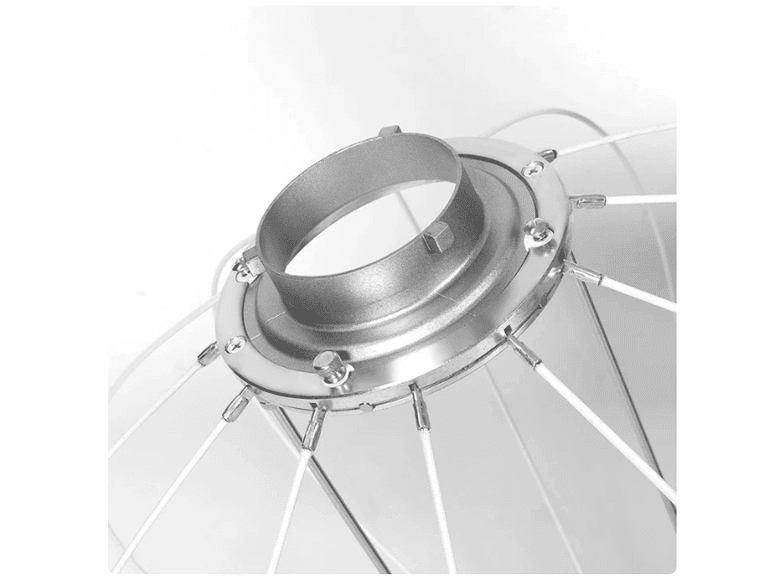
The magic of the Bowens system lies in the modifiers. Two of the most essential tools are the softbox and the Fresnel lens.
Bowens Mount Softbox
について Bowens Mount softbox is the bread and butter of portrait photography. It takes the harsh, point-source light of an LED and spreads it across a large diffusion panel.
- Octaboxes: Create a beautiful, round “catchlight” in the subject’s eyes, mimicking the sun.
- Lantern Softboxes: Provide 360-degree soft light, perfect for lighting an entire room naturally.
Fresnel Bowens Mount
If a softbox is for “soft” light, a Fresnel mount is for “hard,” dramatic light. A Fresnel lens allows you to focus the beam of your LED light, making it much more intense and allowing you to “spotlight” specific areas. This is perfect for achieving a classic “Old Hollywood” cinematic look or for sharp, high-contrast fashion photography.
5. Professional Results: Indoor Photography Settings & Ideas
Now that you have your Bowens Mount gear, how do you use it? Indoor photography offers a controlled environment where you can perfect your craft.
Recommended Indoor Photography Camera Settings
When working with a Bowens Mount continuous light, start with these baseline settings:
- ISO 100 or 200 (Keep it low to avoid grain/noise).
- 絞り f/2.8 to f/5.6 for portraits (to get a blurred background), or f/8 to f/11 for product photography (to keep everything sharp).
- シャッタースピード 1/125s or 1/250s. This is fast enough to avoid camera shake but slow enough to let in the light from your LEDs.
Easy Indoor Photography Ideas
- The “Window Light” Simulation: Place your LED light with a large Bowens Mount softbox at a 45-degree angle to your subject. This mimics the soft, directional light of a window, creating a classic and flattering look.
- Dramatic Noir: Use a Fresnel mount to cast a narrow beam of light across a subject’s face while keeping the rest of the room in total darkness.
- Product “Pop”: Use a small strip softbox to create a long, clean highlight on the side of a glass bottle or electronic gadget.
Conclusion: Why Bowens Mount is the Best Investment
Choosing a lighting system can be overwhelming, but the ボーエンズマウント remains the smartest investment for any photographer or videographer. Its universal nature gives you access to thousands of modifiers, from budget-friendly umbrellas to professional-grade Fresnel lenses.
By mastering the difference between mounts, selecting the right LED light, and experimenting with indoor settings, you can transform a simple room into a professional studio. Whether you are shooting a YouTube video or a high-end portrait, the Bowens Mount is the key to unlocking your creative potential.