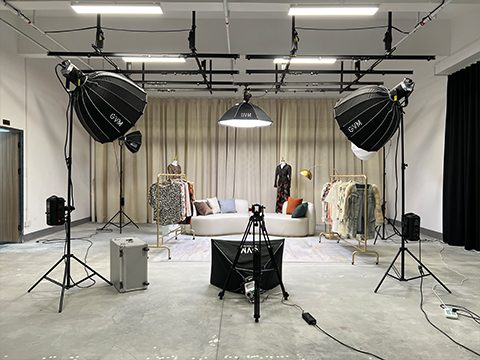
Lighting is the bridge between a snapshot and a masterpiece. Whether you are capturing a high-end fashion editorial or a simple e-commerce product, understanding a professional studio lighting setup is the most critical skill a photographer can possess. While high-end cameras and lenses are important, it is the control of light—its direction, quality, and intensity—that defines the professional look.
In this guide, we will break down everything from basic configurations to specialized kits, helping you build a setup that delivers consistent, high-quality results.
Professional Studio Lighting Setup for Beginners
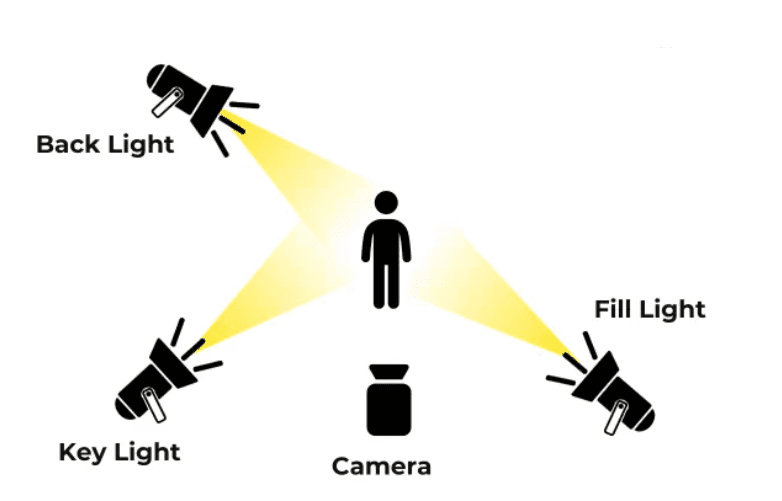
Entering the world of studio photography can be intimidating, but the secret to a professional studio lighting setup for beginners lies in the “Three-Point Lighting” technique. This foundational method provides a three-dimensional look to any subject.
- Key Light: This is your primary light source. It should be placed at a 45-degree angle to the subject to create depth.
- Fill Light: Positioned on the opposite side of the key light, it softens the harsh shadows created by the primary source.
- Back Light (Hair Light): Placed behind the subject, it creates a subtle outline, separating the subject from the background.
For beginners, starting with continuous LED lights is often easier than using strobes (flashes) because what you see is what you get (WYSIWYG), making it much simpler to learn how shadows and highlights behave.
Professional Studio Lighting Setup for Product Photography
In the world of e-commerce, your lighting is your best salesperson. A professional studio lighting setup for product photography focuses on clarity, color accuracy, and texture.
- Diffused Light is Key: Products, especially those with reflective surfaces like jewelry or electronics, require soft, diffused light to avoid “hot spots.” Large softboxes are essential here.
- Top Lighting: Adding a light directly above the product (often using a boom arm) helps define the top edges and ensures the product “pops” against the surface.
- Background Control: Using a dedicated background light ensures a clean, pure white (or perfectly colored) backdrop, which is a standard requirement for platforms like Amazon or Shopify.
Professional Studio Lighting Kit
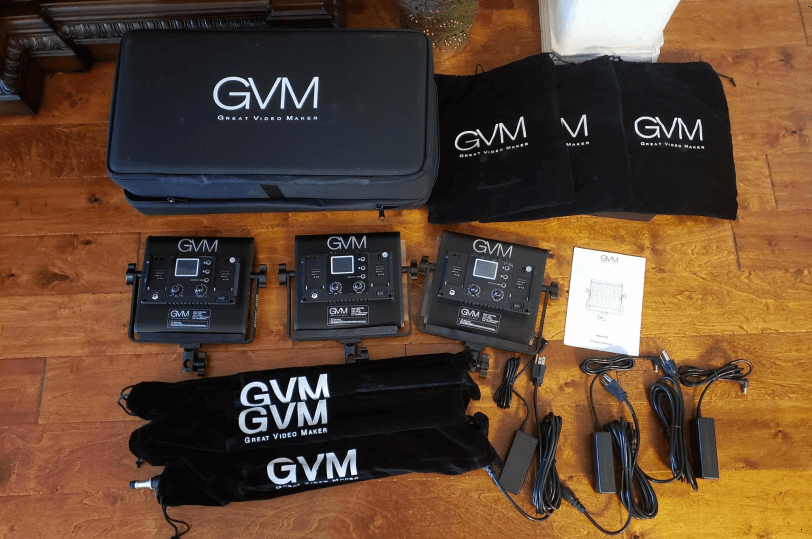
If you are looking to build your workspace from scratch, investing in a pre-configured professional studio lighting kit is the most cost-effective and efficient solution. A high-quality kit typically includes:
- Light Sources: At least two to three COB LED lights or Monolight strobes.
- Modifiers: Softboxes, umbrellas, or honeycombs to shape the light.
- Support System: Heavy-duty light stands and potentially a boom arm.
- Triggers and Cables: Wireless triggers to sync your camera with the lights.
When choosing a kit, look for a high CRI (Color Rendering Index) of 95+ to ensure that the colors in your photos remain true to life.
Professional Studio Light Box
For those specializing in small-scale items like watches, jewelry, or cosmetics, a professional studio light box (also known as a light tent) is an indispensable tool.
A light box is an all-in-one solution where the walls act as diffusers. It surrounds the product with soft light from all angles, virtually eliminating harsh shadows. Most modern light boxes come with built-in LED strips and interchangeable backgrounds (white, black, tan), making them the perfect “plug-and-play” solution for high-volume product shoots. It’s a compact addition to your broader professional studio lighting arsenal that saves hours of post-processing time.
Conclusion
Achieving a professional studio lighting result isn’t just about buying the most expensive gear; it’s about understanding how to manipulate light to suit your subject. Whether you are a beginner mastering the three-point setup or a commercial photographer using a specialized light box for products, the right equipment and technique will elevate your work to a professional standard.
Ready to upgrade your studio? Start with a versatile lighting kit and watch your image quality transform.