Éclairage photographique reste l'âme d'une grande image alors que nous avançons en 2026. Alors que les frontières entre les studios professionnels et les installations personnelles se sont estompées, et que les capteurs haute résolution associés à l'édition assistée par IA sont devenus omniprésents, maîtriser la lumièreest la compétence la plus cruciale que vous puissiez développer cette année, que vous soyez un influenceur en herbe, un propriétaire de petite entreprise ou un passionné dévoué. Votre voyage commence entre vos quatre murs.
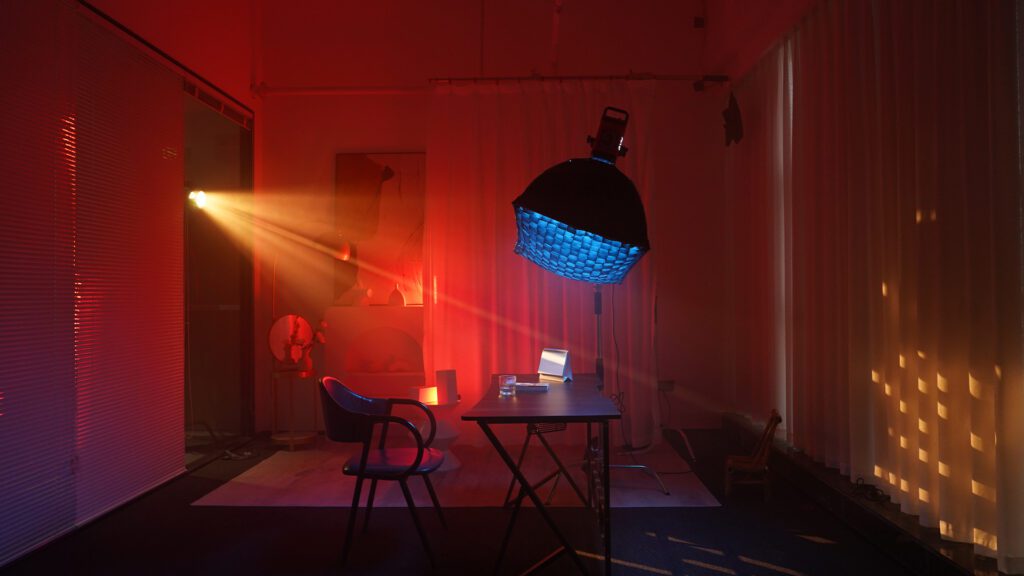
Éclairage photo à domicile
Choisir de filmer chez soi offre une commodité inégalée et un contrôle créatif, mais cela s'accompagne de ses propres avantages et défis uniques. En 2026, le “ home studio ” n'est plus seulement un coin de garage ; c'est un espace sophistiqué et intégré à la technologie.
Les avantages :
Le principal avantage de la photographie à domicile est la possibilité de contrôler l'environnement. Contrairement aux séances en extérieur, vous ne courrez pas après “ l'heure dorée ” et ne vous inquiétez pas de la pluie. Vous avez un accès immédiat à vos accessoires, à une source d'alimentation et au confort de votre propre espace.
Les Défis :
Cependant, les environnements domestiques souffrent souvent d“” éclairage mixte “, le choc entre les ampoules chaudes du plafond et la lumière fraîche de la fenêtre. L'espace est aussi une contrainte ; gérer les ombres dans une petite pièce nécessite un placement stratégique. Pour réussir, vous devez apprendre à ” éteindre » les lumières ambiantes de la maison et construire votre scène à partir de l'obscurité totale en utilisant un éclairage photographique dédié.
Types d'éclairage en photographie
Avant d'investir dans du matériel, vous devez comprendre le “langage” de la lumière. L'éclairage photographique moderne se divise généralement en trois catégories :
- Éclairage Continu (LED) : En 2026, les LED sont reines des home studios. Contrairement aux ampoules à incandescence à l'ancienne, les LED modernes COB (Chip on Board) sont puissantes, ne chauffent pas et offrent des températures de couleur réglables (bicolores) ou des spectres RVB complets. Ce que vous voyez est ce que vous obtenez, ce qui les rend parfaites pour les débutants.
- Stroboscopes et flashs : Ces lumières offrent un puissant “éclat” lumineux. Bien qu'elles demandent plus de compétences pour être synchronisées avec votre appareil photo, elles offrent l'intensité nécessaire pour figer le mouvement ou surpasser le soleil.
- Lumière naturelle : L'option la plus économique. Les grandes fenêtres fournissent une lumière belle et douce, mais elles sont imprévisibles.
Lumière douce vs. Lumière dure :
- Lumière douce est diffusée, créant des transitions douces entre les hautes lumières et les ombres. Ceci est généralement obtenu à l'aide de boîtes à lumière ou de parapluies et constitue la “référence” pour les portraits et les prises de vue de produits.
- Lumière dure Il crée des ombres nettes et définies. Il est utilisé pour la photographie éditoriale “ d'ambiance ” ou à contraste élevé.
Meilleur kit d'éclairage de photographie pour débutants
Si vous débutez en 2026, vous n'avez pas besoin d'un équipement à mille dollars. L'objectif est de trouver un kit polyvalent, portable et évolutif.
La configuration “ de départ ” recommandée :
Le meilleur kit d'éclairage de photographie pour débutants aujourd'hui comprend généralement une Système de panneau LED à deux points. Recherchez des panneaux avec un CRI (indice de rendu des couleurs) élevé, égal ou supérieur à 95 ; cela garantit que les couleurs, en particulier les tons chair, sont naturelles et vives.
Pourquoi les panneaux LED ?
- Facilité d'utilisation : Vous pouvez voir la lumière frapper votre sujet en temps réel.
- Contrôle par application La plupart des kits 2026 sont équipés de l'intégration de smartphones, vous permettant de régler la luminosité et la couleur depuis votre téléphone sans quitter votre appareil photo.
- Abordabilité : Vous trouverez des kits LED d'excellente qualité, à intensité variable, avec pied et diffuseur, pour moins de 200 £.
Pour ceux qui se concentrent sur le contenu des médias sociaux, une haute qualité Anneau lumineux (18 pouces ou plus) reste un excellent point de départ pour un éclairage de “beauté” uniforme et sans ombres.
Éclairage de photographie de produit
À l'ère du commerce électronique, la photographie de produits est devenue la compétence photographique la plus recherchée à domicile. L'objectif est différent de celui du portrait : vous ne cherchez pas simplement une lumière “ jolie ” ; vous cherchez précision et texture.
Exigences Clés :
- Précision des couleurs : Votre éclairage doit représenter la couleur réelle du produit pour éviter les retours clients. C'est là que les LED continues de haute qualité brillent.
- Définition de la texture : En plaçant la lumière sous un angle latéral, vous pouvez mettre en valeur le grain du cuir, le tissage d'un tissu ou la condensation sur une bouteille froide.
- Gestion des réflexions : C'est la partie la plus difficile de la photographie de produits. Les articles brillants (comme les bijoux ou l'électronique) agissent comme des miroirs. Professionnel éclairage de la photographie Pour les produits, cela implique souvent de “dompter” la lumière à l'aide de feuilles de diffusion ou de tentes photographiques pour créer des reflets larges et doux.
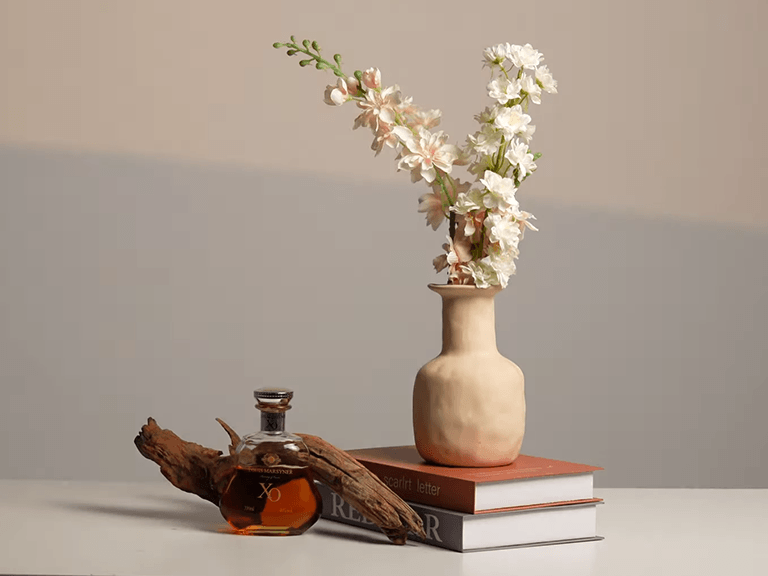
Installation d'éclairage pour la photographie de produits
Prêt à transformer votre table de cuisine en studio haut de gamme ? Suivez cette configuration professionnelle en trois points pour faire ressortir vos produits.
Étape 1 : La lumière principale (La fondation)
Placez votre éclairage le plus puissant à un angle de 45 degrés par rapport au produit. Cela imite l'angle naturel du soleil et crée la forme principale de l'objet. Si les ombres sont trop sombres, éloignez la lumière ou ajoutez un diffuseur.
Étape 2 : Le remplissage (L'équilibre)
De l'autre côté de la lumière principale, placez une deuxième lumière plus faible (ou un réflecteur en panneau de mousse blanc). Celle-ci “remplit” les ombres, assurant que les détails du côté sombre du produit restent visibles. Pour un look “épuré” façon 2026, gardez la lumière de remplissage douce.
Étape 3 : La contre-lumière (La séparation)
Pour éviter que votre produit n'ait l'air “plat” sur l'arrière-plan, placez une petite lumière derrière le produit, dirigée vers son arrière. Cela crée un “bord” de lumière qui sépare l'objet de l'arrière-plan, donnant à l'image une sensation de 3D.
Astuce pro pour 2026 : utilisez les “ drapeaux ”
Si la lumière envahit des zones indésirables, utilisez du carton noir (des drapeaux) pour la bloquer. En photographie à domicile, contrôler où la lumière ne [...] pas le où est tout aussi important que le quand il le fait.
Conclusion
Maîtrise éclairage de la photographie À la maison en 2026, il s'agit de mélanger technologie et technique. En comprenant les types de lumière disponibles et en commençant par un kit polyvalent pour débutants, vous pouvez produire des images de qualité professionnelle sans jamais quitter votre domicile. Que vous photographiiez une personne ou un produit, rappelez-vous : l'appareil photo capture la lumière, pas l'objet. Contrôlez la lumière, et vous contrôlez le résultat.